If you spend time around agribusiness owners, you hear the same concerns again and again. You can grow produce. You can find inputs. You can even find buyers. What slows you down is capital that understands agriculture, systems that keep quality intact after harvest, and information that arrives on time. The NCBA AFAWA WSME acceleration program speaks directly to that gap, and its impact shows clearly in the story of Hellen Muthoni.
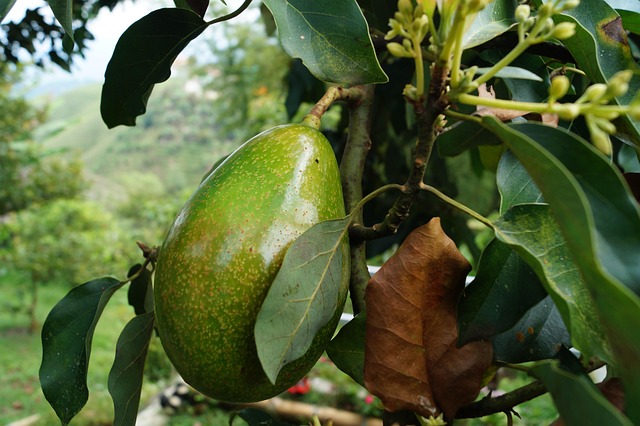
Hellen is the CEO of Avolachi Fresh Produce Limited, an export business focused on fresh produce, especially avocado. Hellen started Avolachi in 2021, at a time when global demand for Kenyan avocados kept rising but post-harvest losses continued to eat into farmer efficiency and incomes. Avolachi stepped into that space with a clear approach. The company works closely with farmers on post-harvest handling so produce reaches export markets in good condition, reducing losses that often happen after produce leaves the farm.
From the start, Hellen wanted a company that could last beyond her into future generations and that thinking shaped her decisions early on, even as Avolachi moved through its growth stage. Like many women running SMEs, she faced familiar limits around access to finance and markets.
Then an email from NCBA landed in her inbox, about the NCBA AFAWA WSME acceleration program and she says she knew she had to take a shot at it.
The program, delivered through a partnership between NCBA, AGF, AFAWA, Unga Group, and the SME Support Center, focuses on women-led businesses in agripreneurship. Cohort one brought together 38 women working across human and animal food value chains.
The NCBA AFAWA WSME acceleration program treats finance as part of a wider picture, which also includes training and other non finance empowerment initiatives. The training part of it matters as much as capital. For Hellen, the training sessions created space to pause and look closely at Avolachi’s operations. Due to the training, she and her team already reviewed existing systems and spotted gaps for improvement.
The program also acknowledges a daily reality for entrepreneurs. Access to markets and reliable information remains uneven, even for businesses that already export. That recognition shapes how support is designed.
SMEs are generally considered high risk by financiers and another key initiative of the accelerator program is is de-risking them. Many women entrepreneurs struggle with security requirements when seeking finance and the progrsm responds to that reality by reducing barriers that often keep viable businesses from accessing funding.
The NCBA AFAWA WSME acceleration program has big plans, with the goal being to support 80 women entrepreneurs, mobilise USD 5 million in financing, and create at least 300 jobs. Those numbers matter, but the lived impact sits in businesses like Avolachi, the families of the entrepreneurs and the communities around them. When women-led agribusinesses grow and thrive, the results ripple through not only the businesses themselves but also families, communities and the larger national economy.
Hellen’s story is that of hard work, resilience, and help from the right quarters like NCBA Bank. If you are in the entrepreneural space, you too can access NCBA’s help. Open an NCBA Business Account at any branch countrywide, or get in touch through contact@ncbagroup.com. You can also reach the bank via phone numbers 0711056444 or 0732056444.
Go for it!
Follow us on Twitter and Facebook for real-time updates.