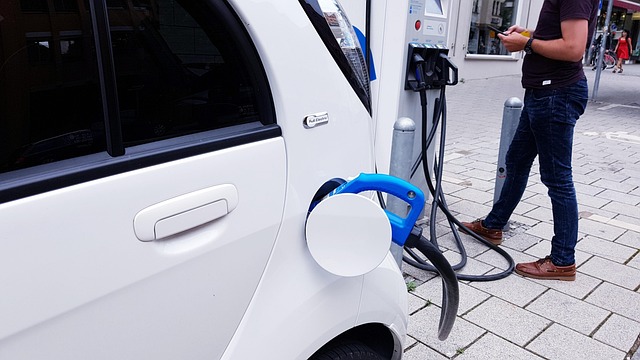
Kenya electric transport policy sets incentives, infrastructure plans and regulatory clarity as electric vehicles gain momentum nationwide.
Kenya has taken a clear step into the electric mobility era. The National Electric Mobility Policy was officially launched in Nairobi at the Kenyatta International Convention Centre by the Cabinet Secretary for Roads and Transport, Davis Chirchir, EGH. The policy sets the direction for how electric vehicles will fit into Kenya’s transport system and why the shift matters now.
The focus keyword, National Electric Mobility Policy, sits at the centre of this move. The policy responds to rising fuel costs, pressure on foreign exchange reserves, and growing public interest in cleaner transport options. It also reflects how quickly electric vehicles are already gaining ground on Kenyan roads.
Why the Policy Matters Now
Kenya spends heavily on imported fuel. The annual petroleum import bill stands at about US$5 billion. In 2023 alone, fuel imports rose to KShs. 628.4 billion, up from KShs. 348.3 billion in 2021, according to official statistics. Fuel remains the largest single import category, cutting into foreign exchange reserves and exposing the economy to global oil price swings.
“This substantial fuel import bill reflects Kenya’s heavy reliance on imported petroleum for transport, industry, power generation and aviation, making fuel one of the most significant components of our total import expenditure,” said CS Chirchir.
Electric mobility offers a way to ease that pressure while improving air quality and cutting emissions. With over 90 percent of Kenya’s electricity generated from renewable sources, powering vehicles from the grid already carries a cleaner footprint than conventional fuels.
EV Growth Is Already Underway
Electric vehicles are no longer rare in Kenya. By 2025, the country had registered 39,324 EVs, up from just 1,378 in 2022. That represents a growth of more than 2,700 percent in three years.
The fastest growth has come from electric motorcycles, especially in the boda boda sector. This matters because two-wheelers dominate last-mile transport across towns and cities. Their shift to electric power reduces daily fuel spending for riders and lowers urban air pollution.
CS Chirchir linked this growth to the arrival of more affordable EV options and targeted vehicle financing from financial institutions serving the e-mobility industry.
Kenya Electric Transport Policy – What the Policy Covers
The National Electric Mobility Policy applies to all modes of transport. It creates a regulatory and investment framework for electric buses, cars, motorcycles, bicycles, and supporting infrastructure.
The policy aims to attract private investment, improve coordination across government agencies, support innovation, and expand local capacity in assembly, services, and skills development.
“Electric mobility is no longer optional, but a strategic necessity for Kenya’s economic resilience and environmental sustainability,” said the Cabinet Secretary.
To support rollout, the government is preparing a National Electric Mobility Strategy that will guide structured implementation across the country.
Tax Incentives and Green Plates
The Finance Bill 2025 introduced incentives designed to lower costs for EV buyers and operators. These include zero-rated VAT on electric buses, electric bicycles, electric motorcycles, and lithium-ion batteries. Excise duty on electric bicycles, electric motorcycles, and lithium-ion batteries has also been reduced to zero percent.
At the launch, the government unveiled green reflective number plates for fully electric vehicles. These plates give EVs a visible identity on Kenyan roads and signal official support for electric transport.
Industry and Infrastructure Gaps
While policy momentum is strong, gaps remain. The Principal Secretary for Industrialisation, Dr. Juma Mukhwana, said demand for EVs already exceeds supply. He noted that EV technology has matured and called for increased short-term financing to expand local assembly plants, with an eye toward long-term domestic manufacturing.
Charging infrastructure remains uneven. Most public charging stations sit within Nairobi and its surroundings. Expansion into other towns and transport corridors will determine how practical EV ownership becomes outside major urban centres.
International Support and Local Opportunity
Development partners played a key role in shaping the policy. Support came from the European Union, Germany through GIZ, the United Kingdom, the International Finance Corporation, and the University of California, Davis.
Germany’s Ambassador to Kenya, Sebastian Groth, described electric mobility as central to sustainable development and reaffirmed Germany’s support for policy implementation. The European Union echoed this view, pointing to Kenya’s leadership in renewable energy and clean transport.
Mary Porter Peschka, Division Director for Eastern Africa at the International Finance Corporation, summed up the broader opportunity:
“Electric mobility will create jobs, boost local manufacturing, and reduce dependence on costly fuel imports. For drivers, this policy will mean lower operating costs for vehicles and better access to charging stations.”
What This Means for You
If you drive, ride, or operate transport services, the National Electric Mobility Policy signals where Kenya is headed. You can expect more EV options, improving charging access, and lower operating costs over time. For businesses, the policy opens space for investment in charging, assembly, maintenance, and related services.
The ambition is clear. The next test lies in execution. Infrastructure rollout, financing, and skills development will determine whether electric mobility becomes mainstream or remains concentrated in a few pockets.
For now, the policy sets a firm direction. Kenya has placed electric mobility at the heart of its transport future.
Follow us on Twitter and Facebook for real-time updates.