
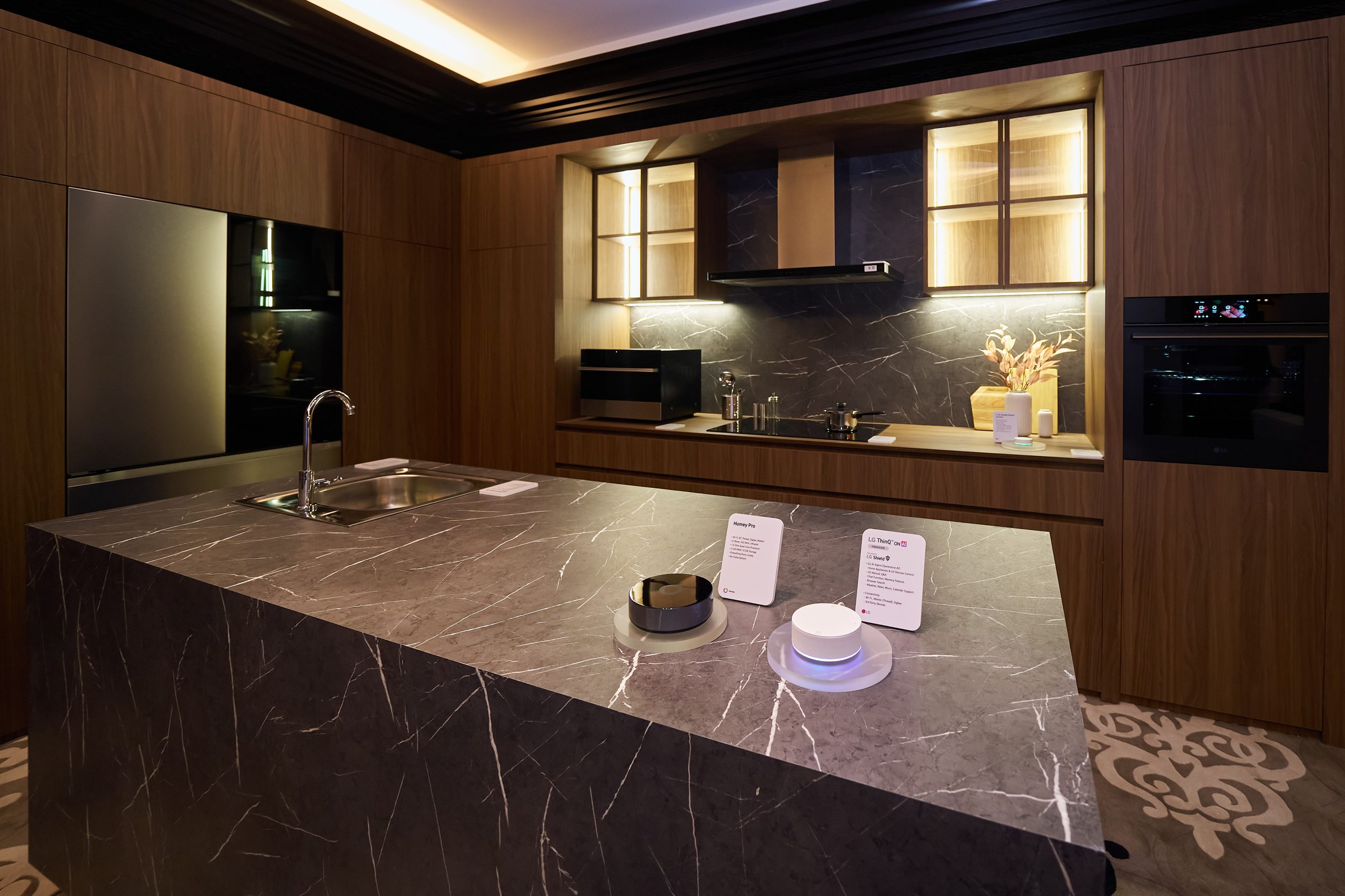
The Africa smart home market is growing fast. In 2023 it was valued at about $2.32 billion and is projected to reach more than $8 billion by 2030. Companies across the continent are responding to that growth with solutions that fit local needs. LG Electronics showed what that future could look like recently in Abu Dhabi, where it turned a hotel suite into a live example of connected living at its InnoFest 2026 Middle East and Africa event.
The event brought partners and media together from across Africa to see how technology can step into everyday spaces. Instead of brochures and slides, LG built a fully functioning suite that reacted in real time to what people did and asked. That gave attendees a feel for how connected products behave in everyday moments, not just in labs.
LG called this set-up “AI Home.” It combined appliances, sensors and artificial intelligence to handle common tasks without needing manual control at every moment. The idea was to show, plainly, how smart home systems can fit into homes in the region.
Living With Conversational AI
One of the most talked-about parts of the demonstration was LG’s conversational system, ThinQ ON. It uses generative AI to respond to natural conversation. That means you can speak normally and the system understands context. At the event people asked about weather, home conditions and even schedules. ThinQ ON could respond with practical suggestions based on real data.
It also matched tasks you already do at home. For example, users could ask about air quality or set reminders. The experience stayed clear and simple. You didn’t have to use rigid commands; you could ask things the way you normally would.
That kind of interaction matters because everyday users are not always familiar with technology. Making systems speak like you and I was a deliberate choice by LG and part of their move into AI-enabled living.
Africa Smart Home Market – Automation With Purpose
Beyond voice controls, the event highlighted sensing and automation. As people walked through the suite, sensors tracked light, temperature and movement. That allowed appliances to adjust without prompting. Lights dimmed, rooms warmed, and robot vacuums activated at appropriate times.
One example was energy. When the suite was empty the system powered down unnecessary devices. When someone returned it greeted them with a tailored set of conditions. This wasn’t for show. It was designed to help users make small, automatic decisions that save energy and reduce waste.
An Open Smart Home Ecosystem
LG emphasized that connected living shouldn’t lock you into one brand. That’s a point that matters in Africa, where device variety is vast and users often mix brands in their homes. The AI Home suite relied on an open platform called Homey Pro. That let devices from other manufacturers work alongside LG products.
At the event this came up repeatedly. The team showed curtains, lighting and sensors from third parties working in concert with LG appliances. That gave visitors a more realistic picture of a home where technology works together, not in isolation.
The open system also extended to services. ThinQ Care provided proactive alerts about appliances. Users could pick a recipe in the app and send it to the oven. These services aim to make connected living feel supportive, not complicated.
Looking Ahead
LG has plans beyond exhibitions. The company wants to grow its AI and IoT offerings across the Middle East and Africa. A big part of that will be smart homes in apartments and hotels, where the units come with built-in connected infrastructure. The idea is to build cases where smart technology serves real needs while fitting into local contexts.
The Africa smart home market is still fairly new, with infrastructure gaps and affordability challenges. But events like LG InnoFest and products designed for conversation and practical automation are pushing the conversation forward. They show what tomorrow’s homes could look like today, and they give everyday users something they can relate to.
For anyone tracking how homes will change in the next decade, the direction is clear. Smart living is moving beyond ideas and into rooms people actually occupy, respond to and live with daily.
Never miss a story 💜
Breaking news, real stories and money tips for Kenyan women, as they happen.

