
Picture a young woman who joins a Nairobi company full of ambition. A few years in, she is dealing with harassment she feels she can’t report, juggling work and childcare, or watching others get promoted ahead of her. Many women in her position eventually leave. When they do, the business loses far more than one employee.
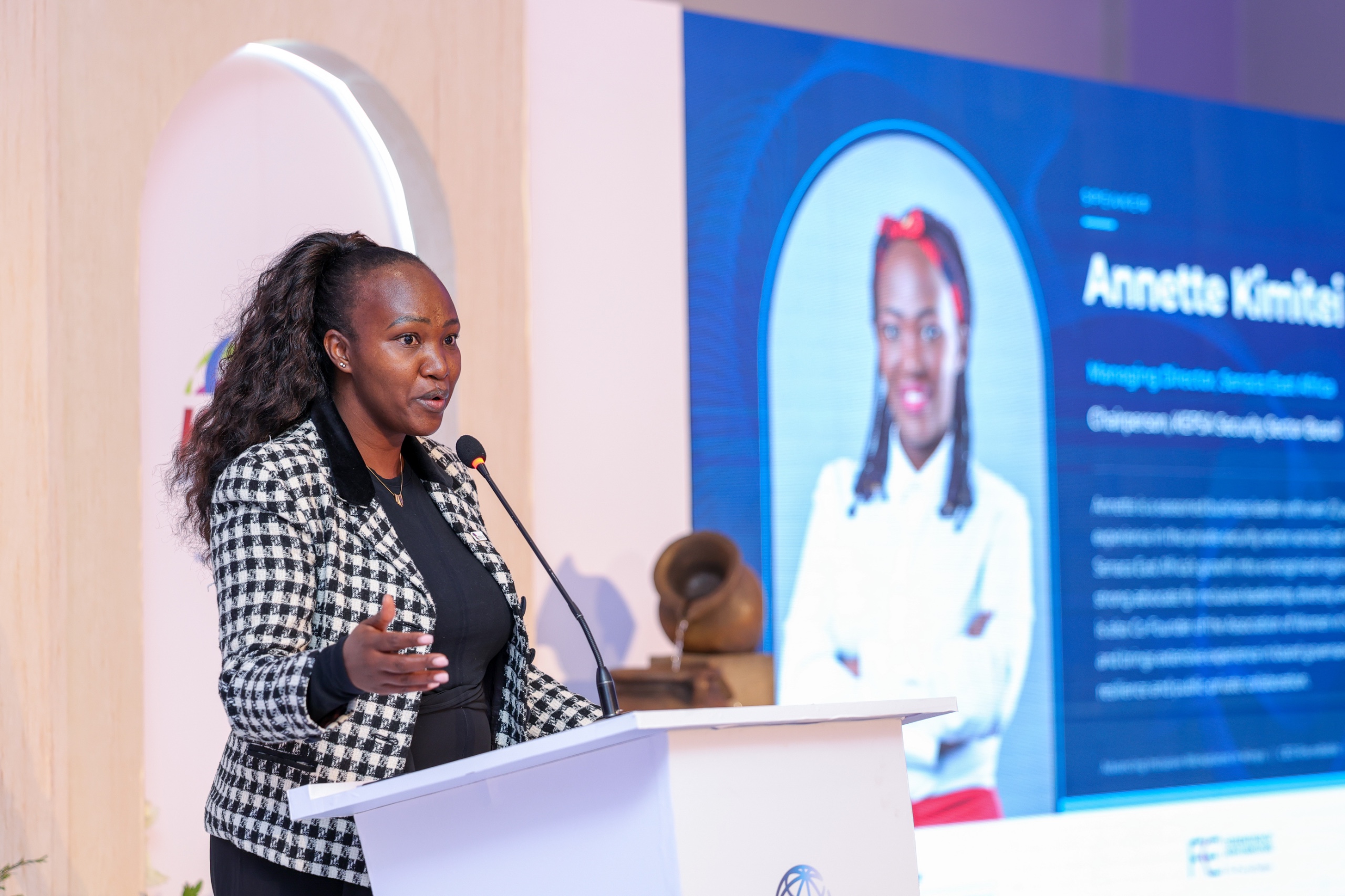
That reality took centre stage at Thursday’s CEO Roundtable on Advancing Inclusive Workplaces in Nairobi. The World Bank Group, the Federation of Kenya Employers (FKE) and the Kenya Private Sector Alliance (KEPSA) brought business leaders together to find practical ways for companies to attract, keep and promote women.
The cost of doing nothing is steep. A 2025 study by the International Finance Corporation (IFC), the World Bank Group’s private sector arm, found that gender-based violence and harassment costs Kenyan businesses about Sh95.5 billion a year. That is Sh67 billion in lost productivity and Sh28.5 billion in human resource expenses. In the 26 companies studied, a third of employees had experienced harassment, yet 86 per cent of cases went unreported. Those affected lost an average of 24.3 working days a year, almost five working weeks.
Gillian Rogers, IFC’s Principal Country Officer for Kenya, linked inclusion directly to the country’s competitiveness. “Together, we can build workplaces where women enter, stay, progress, and lead; where companies can draw on the full strength of their talent; and where inclusion translates into stronger people, stronger businesses, and a more competitive Kenyan economy,” she said.
Childcare came up again and again. Women in sub-Saharan Africa do two to three times more unpaid care work than men, which often means rushed mornings, missed days and stalled careers. IFC evidence shows that when employers support childcare, absenteeism falls and productivity rises. Flexible working and pay gaps also shape whether people stay.
Jacqueline Mugo, EBS, Executive Director and CEO of FKE, put it plainly. “Employers have a responsibility to create workplaces where employees feel safe, are treated fairly and have opportunities to grow. When businesses lose experienced workers because of harassment, unfair practices or inadequate support, they also lose valuable skills and productivity.”
The leadership gap is just as striking. Women hold about 40 per cent of entry-level private sector jobs in Kenya but only 28 per cent of C-suite roles and 14 per cent of CEO positions. They are getting through the door, but too few reach the top floor. Yet firms with gender-diverse executive teams are 25 per cent more likely to outperform financially, and diverse management teams are linked to 19 per cent higher innovation revenue.
KEPSA Chief Executive Officer Carole Kariuki urged fellow CEOs to step up. “Businesses are investing in developing talented women, but too few are progressing into senior leadership,” she said. She called for stronger promotion pathways and for gender equality to become part of how companies measure performance and growth.
To hold firms accountable, the World Bank Group is urging Kenyan companies to adopt EDGE certification. It is an international standard that assesses pay equity, leadership representation and career progression.
For that young woman in Nairobi, these changes could be the difference between leaving and leading.
Never miss a story 💜
Breaking news, real stories and money tips for Kenyan women, as they happen.

