
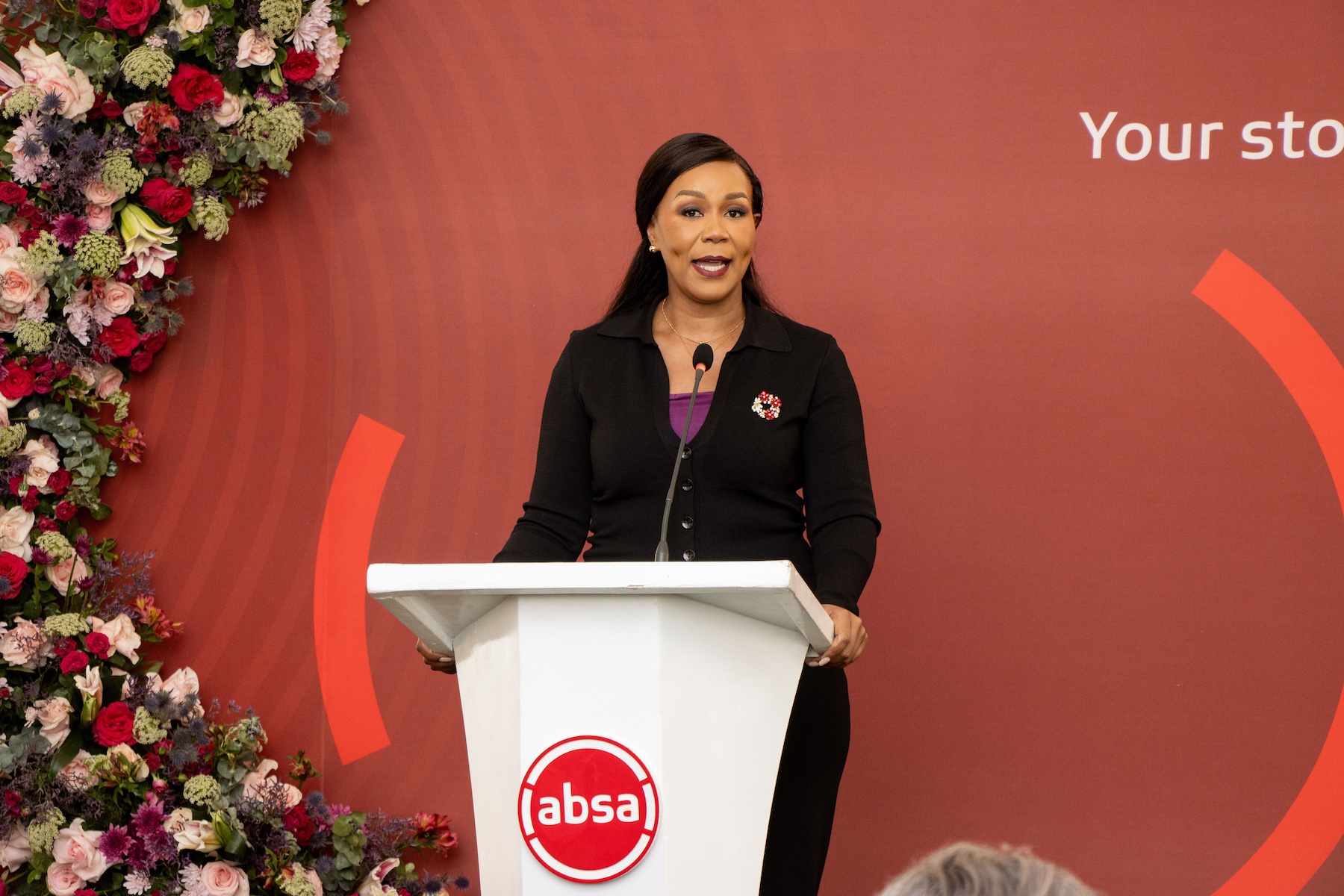
Teressa Njoroge shares how Clean Start supports women rebuilding life after incarceration, challenging stigma and restoring dignity.
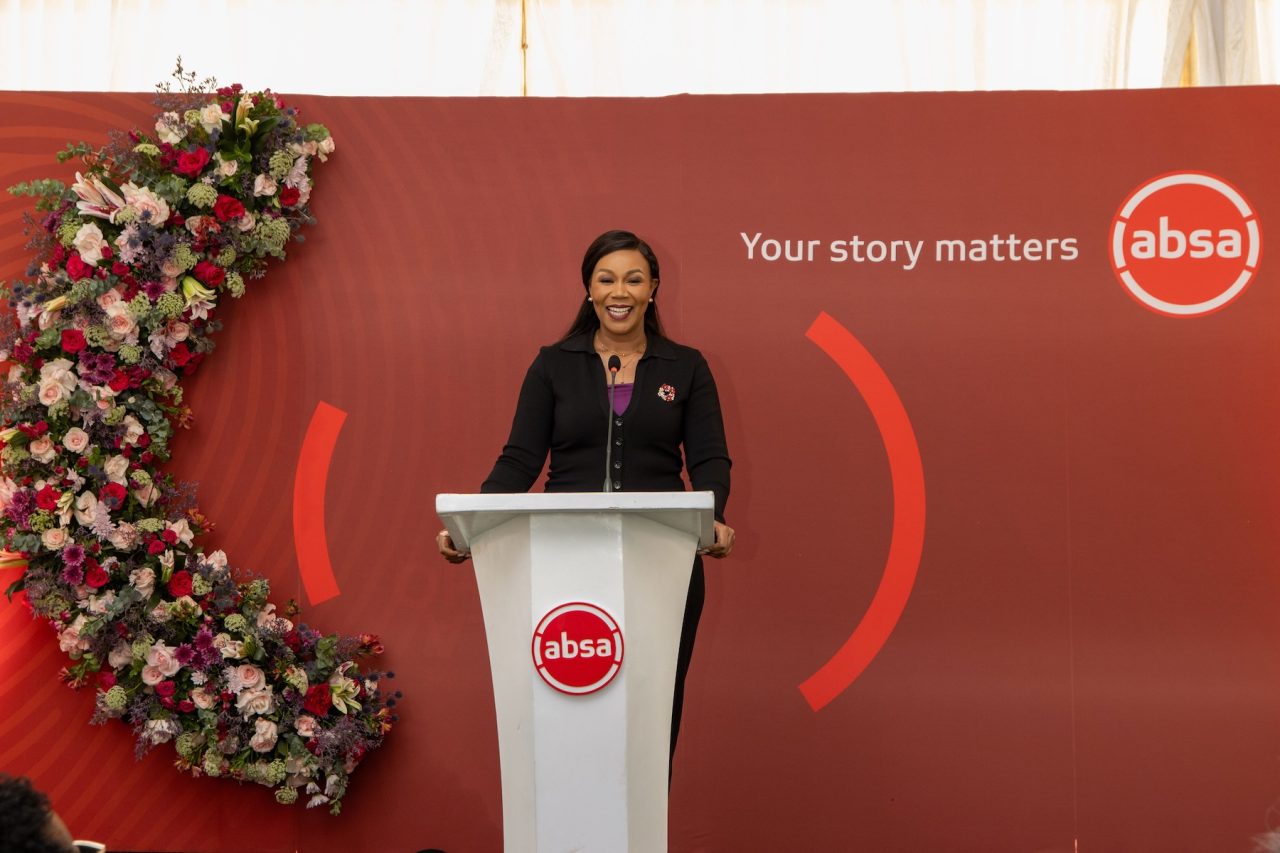
Some conversations stay with you long after the room empties and mine with Teressa Njoroge at Absa’s International Women’s Day breakfast was one of them. With this year’s theme, Give to Gain, Teressa stands out as someone who gives to a rarely considered part of society – women and youth rebuilding their lives after incarceration, helping them reclaim dignity, opportunity and hope.
I had a chat with Teressa and here is what she had to say:
Please introduce yourself and what you do.
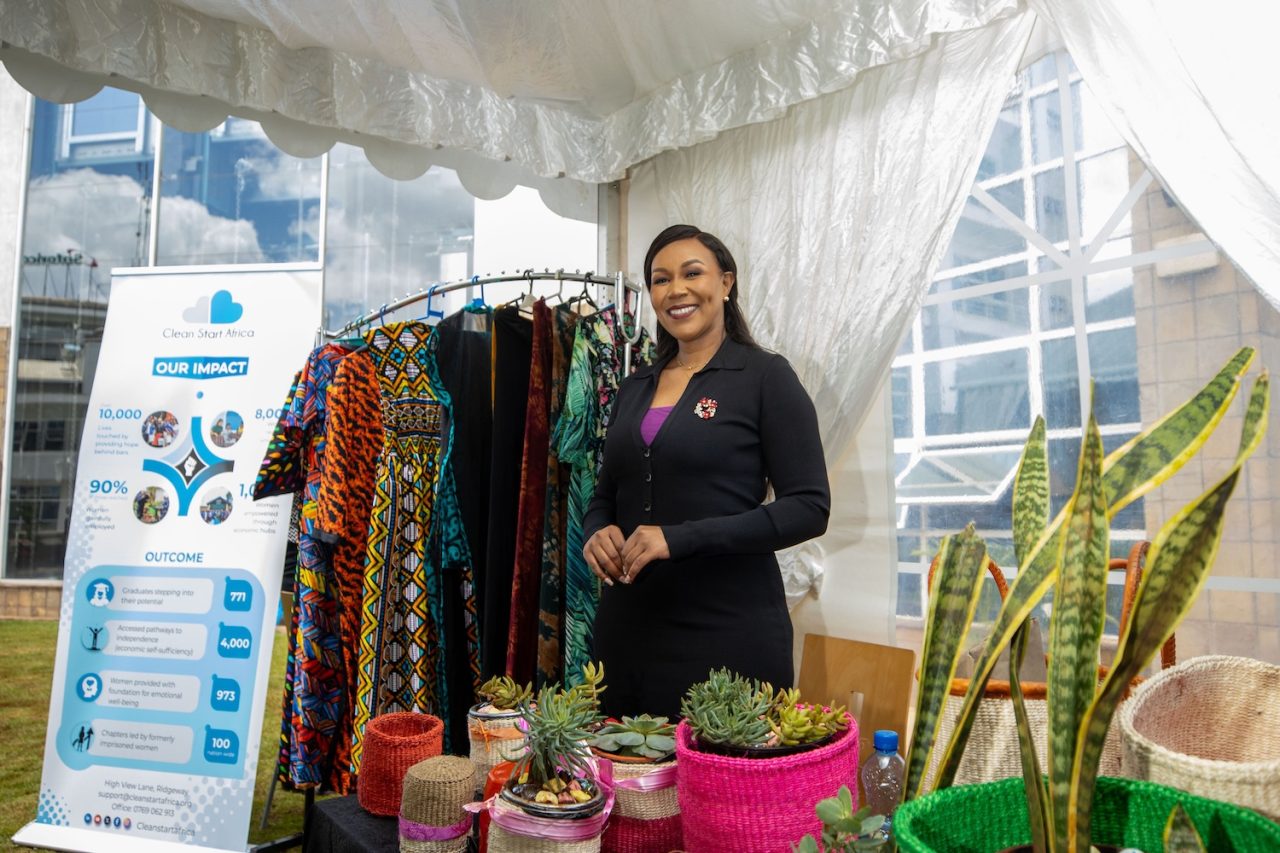
My name is Teressa Njoroge, founder and CEO Clean Start Africa. A social enterprise that works to empower justice impacted women, youth, and children who are coming out of our correctional institutions. We empower them to find decent and sustainable livelihoods and successful re-entry into society. But most importantly, giving a stab at reforming the criminal justice system.
What inspired you to focus specifically on this often overlooked group of women?
What inspired me was my own experience with the criminal justice system, albeit through an injustice. It opened my eyes to really see, not through a biased lens, but a lens of inclusion. A lens of empathy. A lens of wanting to understand the pathways of the women, youth and children in our criminal justice system.
That’s what led me to learning that 70 percent of those incarcerated are in prisons due to poverty-related circumstances. That injustice led me to setting up Clean Start, to not only give them a clean start, but also to offer solutions within the justice system to reform and offer more justice.
What are some of the biggest barriers women face when trying to rebuild their lives?
Justice-impacted people are among the most ostrasized groups, not only in Kenya but globally, and this becomes one of the first huge barriers when they try to reintegrate into society. A major challenge is society stigma.
Many people hesitate to associate with someone who has had contact with the criminal justice system. People fear you and don’t trust you but that’s just a bit of it.
You then come to the structural barriers. You can’t get a certificate of good conduct and what that means is that you can’t even get employment. How do you rebuild your life when you are ostracized by your community and still face structural barriers that make it harder to start again? It becomes extremely difficult. Many end up living in what feels like a second prison, one without bars but always following them like a shadow. The emotional strain remains constant, and the trauma often continues as they try to rebuild their lives.
I believe that’s why Clean Start is such a powerful platform, because this is somewhere where they’re not being ostracized, they’re not being judged, but offered opportunities to re-imagine what a second chance could look like.
The name Clean Start is powerful. What does a “clean start” truly mean for the women you work with?
Indeed, a clean start.
What this means is a clean start to your mindset and a chance to reimagine what your life can become after incarceration. It is a clean start after a criminal sentence, after a prison experience, and after a period of separation from society. It offers the opportunity to return and reintegrate with your family, your loved ones, your community, and the nation at large, and to begin living again as a productive member of society.
It also goes beyond productivity. It becomes a chance to show the community and the wider society what forgiveness looks like and what second chances truly mean. In that sense, it is a clean start in both directions, for the individual rebuilding their life and for the community learning to accept and support that return.
Through your work, you’ve seen incredible personal transformations. Is there a story that has stayed with you and reminds you why this work matters?
I have seen thousands of stories of women, youth, and children who have gone through our programs. I met many of them during their lowest moments while they were incarcerated and from there, they move through the Clean Start platforms and begin rebuilding themselves. We believe that whether someone is behind bars or beyond them, no one should be held to their lowest moment.
I remember the story of Caroline Thairu, and I share it with her permission. Caroline is currently the Clean Start office administrator. I first met her when she was serving time at the Lang’ata Women’s remand section where she had been remanded for six years without going through a full trial.
In the sixth year, the justice system finally ruled that she had been wrongfully held for those six years and she was free to walk out. It was a powerful moment for her.
But you can imagine what six years meant. Six years away from her children. Six years separated from society. Through the Clean Start platform, she went through the program and, most importantly, secured work and a decent means of livelihood.
Today she is rebuilding her life with determination and investing deeply in her children’s lives. Our hope is that we continue restoring not only her life, but also the lives of her children and the wellbeing of her community.
This year’s International Women’s Day theme around Give to Gain speaks to the power of investing in women. How have you seen communities benefit when these women are given a second chance?
Oh my word. I think investing in women is a no-brainer. It is one of the smartest decisions any individual, philanthropist, organisation, community or nation can make.
Why? Because when you invest in a woman, you support stronger families, safer communities and greater productivity in the economy.
Women are also known not to keep resources only to themselves. When they earn, they reinvest not only in their families but also in their communities and their nations.
So let us make smarter decisions by investing in more women.
Stigma can be one of the hardest things to overcome after prison. How does Clean Start help women regain confidence and dignity?
Stigma is indeed one of the hardest things for someone to overcome. We often tell the women and youth we work with that the first layer of stigma exists in the mind. When you walk in public, very few people know you have come out of prison, but you know, and sometimes you end up stigmatizing yourself because of that experience.
In many ways, you become the first person responsible for breaking that stigma. By how you carry yourself and interact with others, you begin to teach people how to treat you. Many people still carry fear or uncertainty about how to relate with someone who has been in prison, and that fear often fuels the stigma.
Beyond encouraging the women we work with to advocate for themselves, we also run structured advocacy campaigns aimed at reducing stigma around people leaving correctional facilities. The reality is that about 90 percent of those who are behind bars will eventually return to society and interact with the rest of us. The sooner communities learn how to welcome them back in a meaningful and respectful way, the better.
They need space to regain their self-esteem and rebuild their confidence. And for those who want to walk alongside this community, the Clean Start platform is open. People are welcome to volunteer or mentor, because that proximity helps you understand how to reduce stigma while supporting people as they rebuild their lives.
What role do skills training and economic independence play in preventing women from returning to the criminal justice system?
That’s a very powerful question, and I say that because about 70 percent of the women who end up in correctional institutions went there while trying to fend for themselves and their children. When you offer them a skill, train them, and mentor them, you give them a decent way to provide for themselves and their families.
What they often need most is access to opportunities. When that access exists, it greatly reduces the likelihood that they will find themselves in conflict with the law again. That support plays a key role in helping them rebuild stable and independent lives.
What misconceptions do people often have about women who have been incarcerated?
Misconception, I would say, is exactly what I carried with me when I first walked into a correctional institution.
I went in with the bias that everyone who is incarcerated must be a criminal and must have a criminal mind. Yet I know from personal experience that this is not always the case. I went into prison wrongfully and maliciously, and it took three years before I was finally cleared. I was not a criminal, and I am not a criminal.
Another reality is that about 81 percent of incarcerated people never have access to legal representation. Many of them are there because they could not afford a lawyer. When you consider that number, you begin to ask how many people might actually be sitting behind bars wrongfully.
The idea that everyone in prison is a criminal is a misconception that needs to be challenged. We need to lean in and listen to people’s stories. The more I listened and the closer I became to the realities inside correctional institutions, the more I realised that anyone could end up there wrongfully.
For that reason, we should focus on creating opportunities for people whenever possible. They deserve the chance to rebuild their lives and contribute positively to society.Top of Form
Bottom of Form
If you could change one thing in policy or society to better support women living in prison, what would it be?
I’m actually pressed for two.
One change I would make is deleting the petty offence laws that still exist in our statute books. These laws often give the police, prosecution and judiciary broad power to target vulnerable people and place them behind bars. Offences such as loitering, or laws often used to arrest women involved in sex work, continue to criminalise poverty. If those laws were removed and replaced with social and economic support systems, fewer vulnerable people would end up in prison.
Beyond that, I would change how the law treats people who have already served their sentences. If someone has paid the price for their actions and completed their time, they deserve the chance to rebuild their lives. I would therefore urge Kenya to give them certificates of good conduct so that they can be to rebuild themselves.
When you see a woman successfully rebuild her life after prison, what does that moment feel like for you personally?
It’s a joyful moment, not just for me, but for the hundreds of partners who have dared to believe in the true revolution around generosity. It is not only about money, but also about believing in people society and the world have often counted out and overlooked.
Working with women navigating stigma, hardship and second chances can be emotionally intense. What keeps you grounded and motivated on the difficult days?
Indeed, it is very emotionally draining.
Every second you are dealing with vulnerability. People displaced, people without food, people without a place to sleep, and the list goes on. There are suicidal cases and people who have been deeply broken by their circumstances. Sadly, we sometimes end up breaking the already broken even further. That kind of work can drain you and tear you apart emotionally.
But I always return to something grounding. I reconnect with my faith and with God, my creator, who called me to do this work. There is also humility in recognising that I do not have all the answers. That is why collaboration matters so much. When more people come together to support those affected and work toward changing the system, the burden becomes lighter and the impact becomes greater.
Thank you.
Never miss a story 💜
Breaking news, real stories and money tips for Kenyan women, as they happen.

