
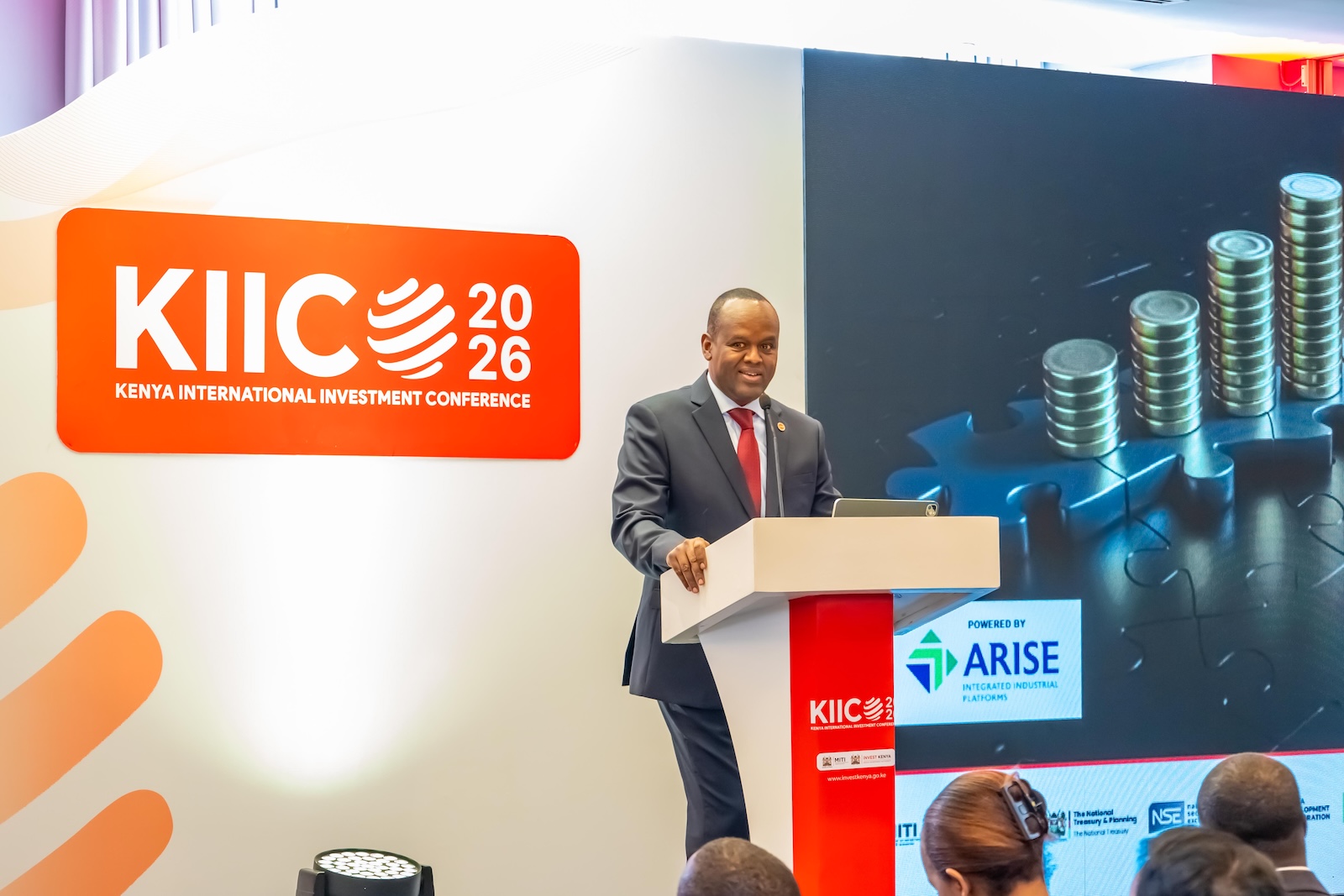
Absa Kenya financing ecosystem shift highlights KIICO 2026 focus on capital coordination, debt pressure, and investment reforms.
At the Kenya International Investment Conference 2026, the phrase Kenya financing ecosystem shift came up in nearly every serious conversation, with Absa Bank Kenya among the institutions shaping that dialogue. You could hear it in the rooms where policy meets capital. You could feel it in the urgency of the discussions. The message was clear. Kenya has access to capital. The issue is how that capital is organised, deployed, and scaled.
This was not a theoretical debate. It was a practical one, grounded in numbers, policy, and the pressure to deliver real economic outcomes.
A Capital Problem That Isn’t About Capital
Absa Bank Kenya CEO Abdi Mohamed framed the issue with clarity. He told the room, “Kenya stands at an important moment. The ambition to accelerate industrialisation, deepen inclusion, and build resilience in an increasingly complex global environment is clear. The question before us is not whether capital exists to support this ambition, but how effectively we can mobilise and deploy it.”
That line set the tone.
Kenya’s financing ecosystem shift is about coordination. Capital sits across government, development finance institutions, and private investors. Yet large projects still stall. Execution gaps remain. Funding pipelines break down before delivery.
You see the pattern. Money is available. Projects struggle to reach bankable stage. Investors hold back due to risk structures that don’t work.
Absa Kenya financing ecosystem – Debt Pressure Is Forcing a Rethink
The National Treasury brought the fiscal reality into focus. Permanent Secretary Chris Kiptoo pointed out that Kenya spends about 40 percent of its ordinary revenue on debt service.
That number changes the conversation.
He stated, “To averse these trends, as Treasury we are pursuing reforms to bring this down. Continued borrowing is not a sustainable strategy for prosperity. We are implementing structural reforms across both revenue and expenditure to mobilize capital more effectively. This shift is supported by the President’s recent signing of the National Infrastructure Bill, which introduces a new framework designed to reduce reliance on public debt in favor of a sustainable, investment-led approach.”
This is where policy meets pressure. The Kenya financing ecosystem shift is no longer optional. It is tied to fiscal survival.
Why Traditional Financing Models Are Falling Short
The conference discussions moved away from surface-level optimism. Speakers addressed structural issues directly.
Commercial banking alone cannot carry long-term infrastructure needs. Project financing requires patient capital. It also requires better preparation, clear risk-sharing, and consistent policy signals.
Right now, projects often fail at the structuring stage. Different actors operate in silos. Timelines stretch. Risk becomes unclear. Investors step back.
You end up with stalled pipelines despite available funds.
That gap explains the renewed focus on domestic capital. Pension funds, insurance pools, and institutional investors hold long-term capital that fits infrastructure timelines. The challenge lies in building vehicles that align their risk appetite with national projects.
Public-Private Partnerships Need Better Structure
Public-private partnerships came up repeatedly. Not as a concept, but as a tool that needs fixing.
When structured well, PPPs align incentives. Government sets priorities. Private capital brings efficiency and scale. Investors get clarity on returns and risk.
When structured poorly, projects stall or fail.
The Kenya financing ecosystem shift depends on getting this right. That includes stronger project preparation, transparent procurement, and consistent regulatory frameworks.
Investors do not avoid Kenya due to lack of interest. They hesitate when risk is unclear.
From Ambition to Execution
One theme ran through the conference. Kenya has ambition. Execution must catch up.
This means fewer fragmented initiatives and more coordinated action across institutions. It means aligning policy, capital, and implementation timelines.
It also means treating project preparation as seriously as financing itself.
The conversations at KIICO 2026 reflected a shift in tone. Less talk about potential. More focus on delivery.
What This Means for Kenya’s Economic Direction
If this Kenya financing ecosystem shift holds, the impact will show up beyond infrastructure.
You will see deeper capital markets. More participation from local institutional investors. Better structured projects that attract global capital without heavy reliance on public debt.
You will also see job creation tied to actual project delivery, not projections.
The conference brought together over 500 global investors, policymakers, and industry leaders managing trillions of dollars in capital. That level of attention places pressure on Kenya to match intent with action.
The conversations are now clear. The frameworks are taking shape. The next phase depends on execution.
And that is where the real test begins.
Never miss a story 💜
Breaking news, real stories and money tips for Kenyan women, as they happen.

