
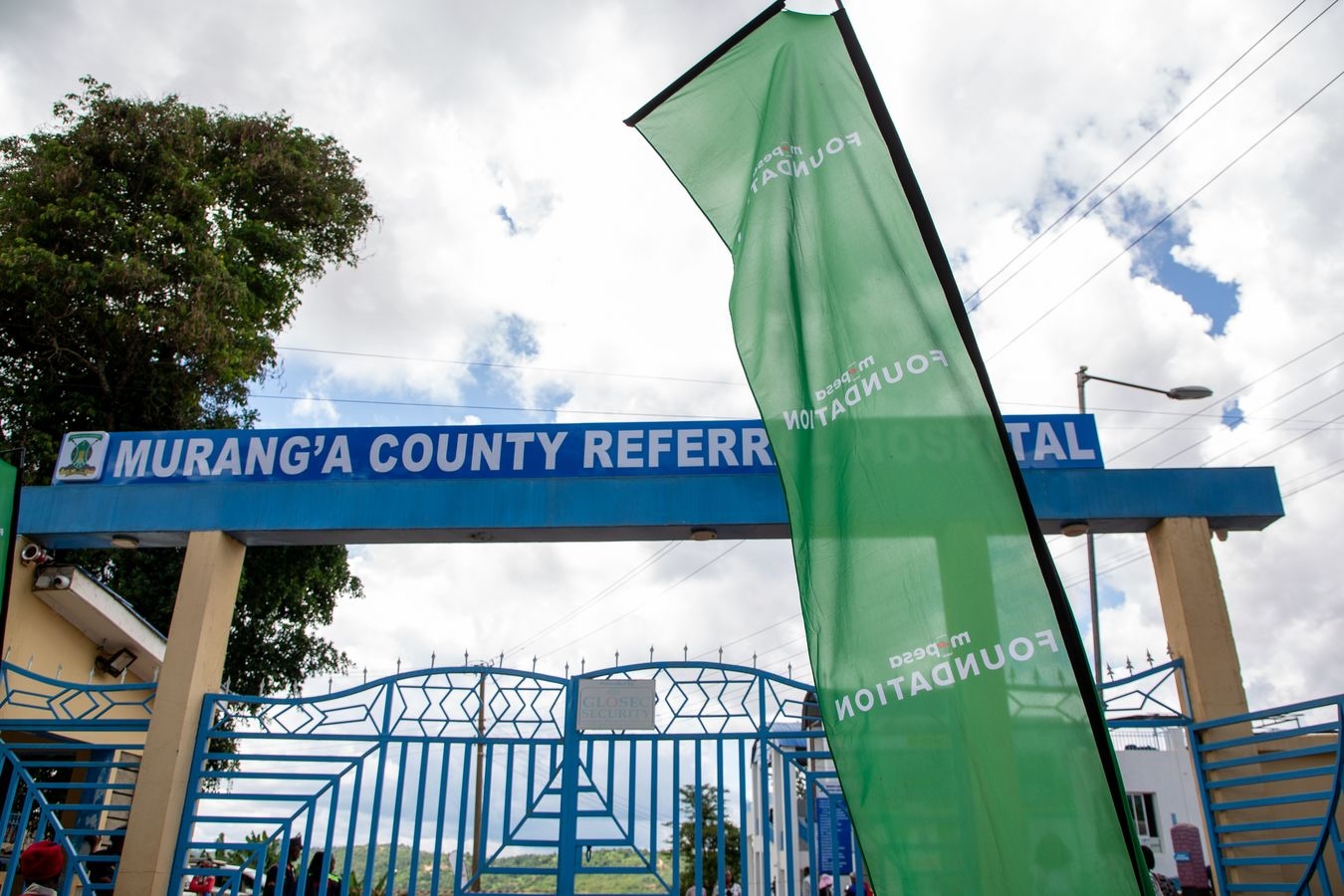
M-PESA Foundation Fistula Camps treat hundreds in Murang’a, exposing stigma, delayed care, and gaps in maternal health access.
The story of M-PESA Foundation fistula camps in Murang’a reads like a quiet intervention into a problem many people rarely talk about. You may have heard of obstetric fistula in passing. But you may not know how long women live with it, or how deeply it shapes their lives. In Kenya, an estimated 120,000 women remain untreated and that number alone sets the tone for what unfolded at Murang’a County Referral Hospital over the past few days.
Read also – A young girl’s case shows how M-PESA Foundation fistula camps restore dignity and access to free care.
The camp drew in 449 women and girls, some came for surgery and others for screening, counselling, or physiotherapy. A number of them have lived with the condition for years and soe even decades, with one case dating back to 1991. That timeline says a lot about access to care and the silence surrounding fistula.
Though there are several courses, obstetric fistula happens during prolonged or obstructed labour. It leaves women with chronic incontinence, immediate physical effects and social effects that last way longer.
Christine Muthengi, a Vesicovaginal Fistula nurse and trainer, described what many patients go through:
“Obstetric fistula is a devastating childbirth injury that causes chronic incontinence, deep physical trauma and social isolation. From constant leakage to resultant foul smell, women and girls are forced into hiding for years, to save them from shame.”
That isolation often leads to broken relationships, loss of income, and withdrawal from community life. You begin to see how a medical condition turns into a social one.
Murang’a County reports a 96 percent rate of skilled birth attendance and a relatively low teenage pregnancy rate of 7 percent. On paper, those figures suggest progress in maternal health. Yet fistula cases still appear, with poverty playing a role. Early and unintended pregnancies still occur and delays in reaching emergency obstetric care remain a factor mostly due to terrain. These gaps create the conditions where fistula develops and then goes untreated.
Read also – M-PESA Foundation Marks 15 Years of Lasting Impact
Stigma makes things worse and it is the reason manu women do not seek help. Some do not understand the condition while others fear being identified, and these delays stretch into years with this debilitating condition.
Muthengi pointed to stigma as the biggest barrier. When people hide, health systems cannot reach them.
Inside the Murang’a fistula camp
The M-PESA Foundation fistula camps aim to close that gap, at least in part. The Murang’a camp combined surgery with screening and follow-up care. That approach matters because not every patient requires surgery. Some need rehabilitation while others need guidance before treatment.
Clinical partners included the Ministry of Health, Murang’a County Government, Flying Doctors, and Amref Health Africa. This kind of coordination helps bring specialists to places where they are often unavailable.
Kenya still faces a shortage of trained fistula surgeons and this obviously slows progress, but camps like this help address immediate cases. They also highlight the need for long-term investment in training.
M-PESA Foundation Fistula Camps – Funding and long-term commitment
The M-PESA Foundation allocated Ksh 8.1 million to support the Murang’a initiative. This sits within a wider Ksh 213 million commitment that has already supported treatment for over 1,500 women across high-burden counties.
Patricia Ithau, a trustee at the foundation, framed the impact in simple terms.
“No woman should have to suffer in silence. Fistula surgery may seem like a simple procedure, but the transformation it brings to a woman’s dignity, health and future is profound.”
The funding helps cover surgery, logistics, and outreach. Outreach matters a lot because many patients do not come forward without active mobilisation.
The M-PESA Foundation has operated since 2010, reaching over 3 million people through projects in health, education, environment, and livelihoods.
In health, programmes like Uzazi Salama focus on maternal and newborn care, while Daktari Smart connects children in remote counties to doctors through telemedicine. These efforts show a pattern of addressing gaps in access rather than isolated interventions.
Outside health, the foundation supports education through the M-PESA Foundation Academy, and also funds environmental work such as the Mau Eburu forest fencing project and conservation partnerships in northern Kenya. Livelihood projects include water infrastructure like the Nyalani Dam rehabilitation in Kwale.
This wider footprint matters because fistula does not exist in isolation. It connects to poverty, education, and access to services.
Camps like the one in Murang’a treat hundreds of women at a time and this highlights the scale of the problem. A backlog of 120,000 untreated cases cannot be cleared through periodic camps alone. The country needs more trained surgeons, faster referral systems, and earlier intervention during childbirth.
There is also the issue of awareness. Many women still do not recognise fistula as a treatable condition, so they don’t seek treatment.
If you look at the bigger picture, the Murang’a camp offers a snapshot of progress and a reminder of what remains undone. It shows what coordinated effort can achieve in a short time. It also shows how much work still lies ahead.
Never miss a story 💜
Breaking news, real stories and money tips for Kenyan women, as they happen.

