
The migratory bird decline warning from BirdLife International lands at a time when migration routes are already under pressure. More than 40 percent of migratory bird species are now in decline. That figure points to something wider than bird populations. It reflects stress across ecosystems that support food systems, water cycles, and human health.
The alert comes ahead of World Migratory Bird Day on 9 May and the upcoming Global Flyways Summit set to take place in Nairobi this September. This will be the first time the summit is held in Africa, placing the continent at the centre of global conservation discussions.
Birds move nutrients across continents. They control pests and support crop production. They also help limit the spread of diseases. When their numbers fall, those functions weaken.
Martin Harper, CEO of BirdLife International, put it plainly: “Migratory birds connect us across countries, continents and ocean currents. Protecting the major migratory highways of the world is how we reverse those declines. And when we do, people gain too: cleaner water, food security, flood protection, and more resilience to a changing climate.”
This connection between birds and daily life often goes unnoticed. You may not see the link between a wetland in northern Europe and food systems in East Africa, but migratory routes tie these places together.
A flyway is a migration route that birds follow between breeding and feeding grounds. These routes stretch across thousands of kilometres and depend on a chain of healthy ecosystem like wetlands, coastlines, and grasslands, and if one part breaks down the entire routine gets weaker.
For instance, a drained wetland or polluted coastline can disrupt feeding patterns and reduce survival rates, eventually shrinking populations.
There are four main land flyways: African–Eurasian, East Asian–Australasian, the Americas, and Central Asian. There are also six marine flyways. Each one links countries that may not share borders but share responsibility.
The latest findings in the State of the World’s Birds report point to a steady decline across these routes.
The Migratory bird decline warning – Africa’s role in a shared system
The African–Eurasian Flyway stands out as one of the most important. It connects the Arctic to southern Africa, with birds stopping along wetlands and coastlines across Europe, the Middle East, and Africa.
Dr. Paul Matiku of Nature Kenya stressed the continent’s position in this system:
“Africa is central to some of the world’s great flyways. The health of our wetlands, rangelands and coastlines matters far beyond our borders. When we protect these habitats, we protect birds, biodiversity, and the communities that live alongside them.”
This places Kenya in a unique position as host of the upcoming summit. Decisions made here will shape conservation across multiple regions.
Bird migration patterns are changing with some species arriving earlier or later, and others skipping traditional stopover points alltogether. These shifts often trace back to habitat disruptions due to climate change, and land use changes.
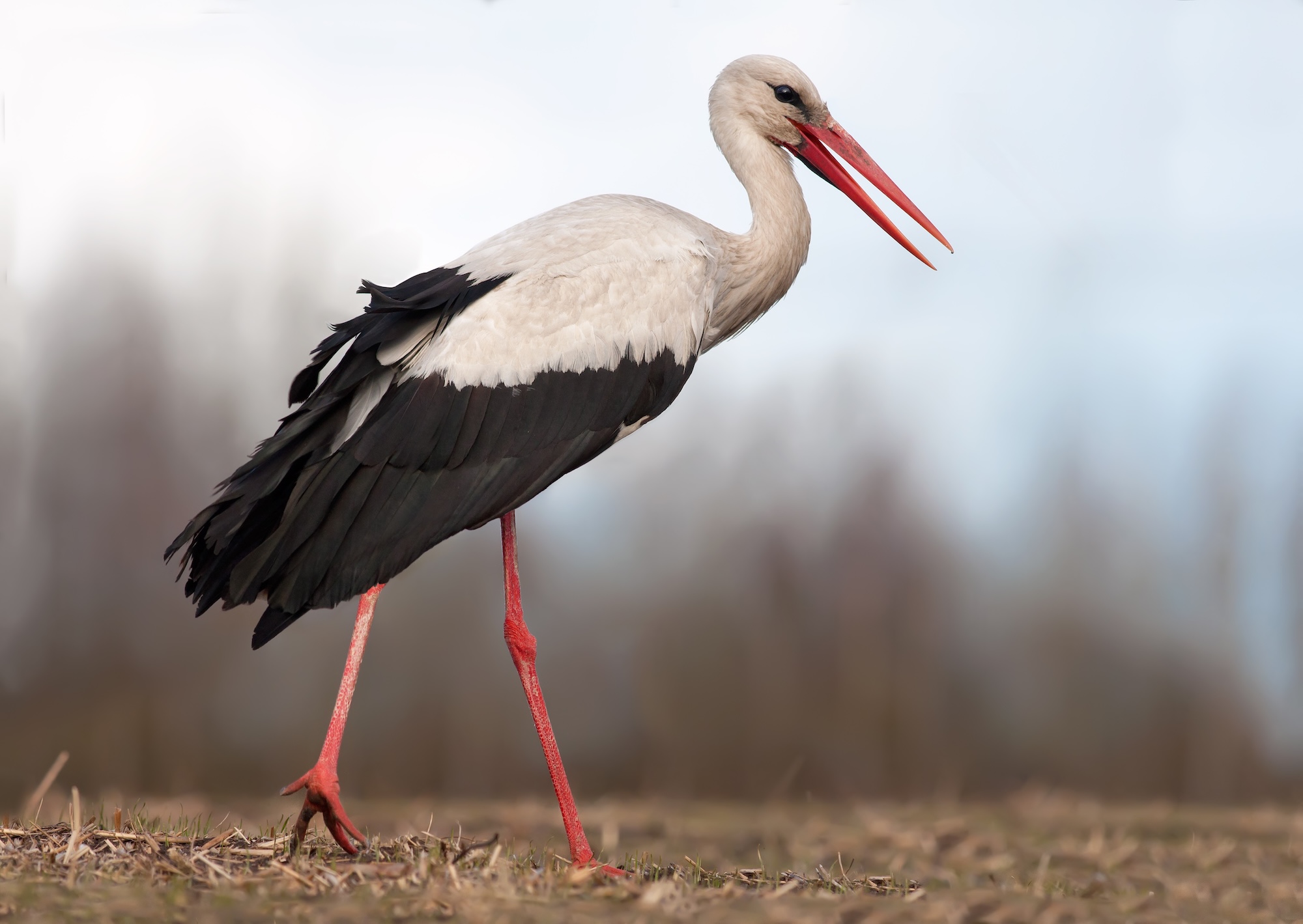
Let’s look at a few actual scenarios. The white stork, known for returning to the same nesting sites, depends on stable routes. Flamingos track wetland conditions, moving as water levels and food supplies change. When these species shift behaviour, they signal changes in the environment.
These patterns give scientists early warnings. They show where ecosystems are weakening before the effects become harder to manage.
World Migratory Bird Day offers a simple way to take part. Step outside and observe birds in your area. Record what you see. Citizen science platforms collect this data and feed it into global research.
Every observation adds to a larger dataset. That information helps track migration, identify risks, and guide conservation efforts.
The migratory bird decline warning is not abstract. It touches water, food, and climate systems that affect daily life. Paying attention to birds gives you a clearer view of the state of nature around you.
Never miss a story 💜
Breaking news, real stories and money tips for Kenyan women, as they happen.

