
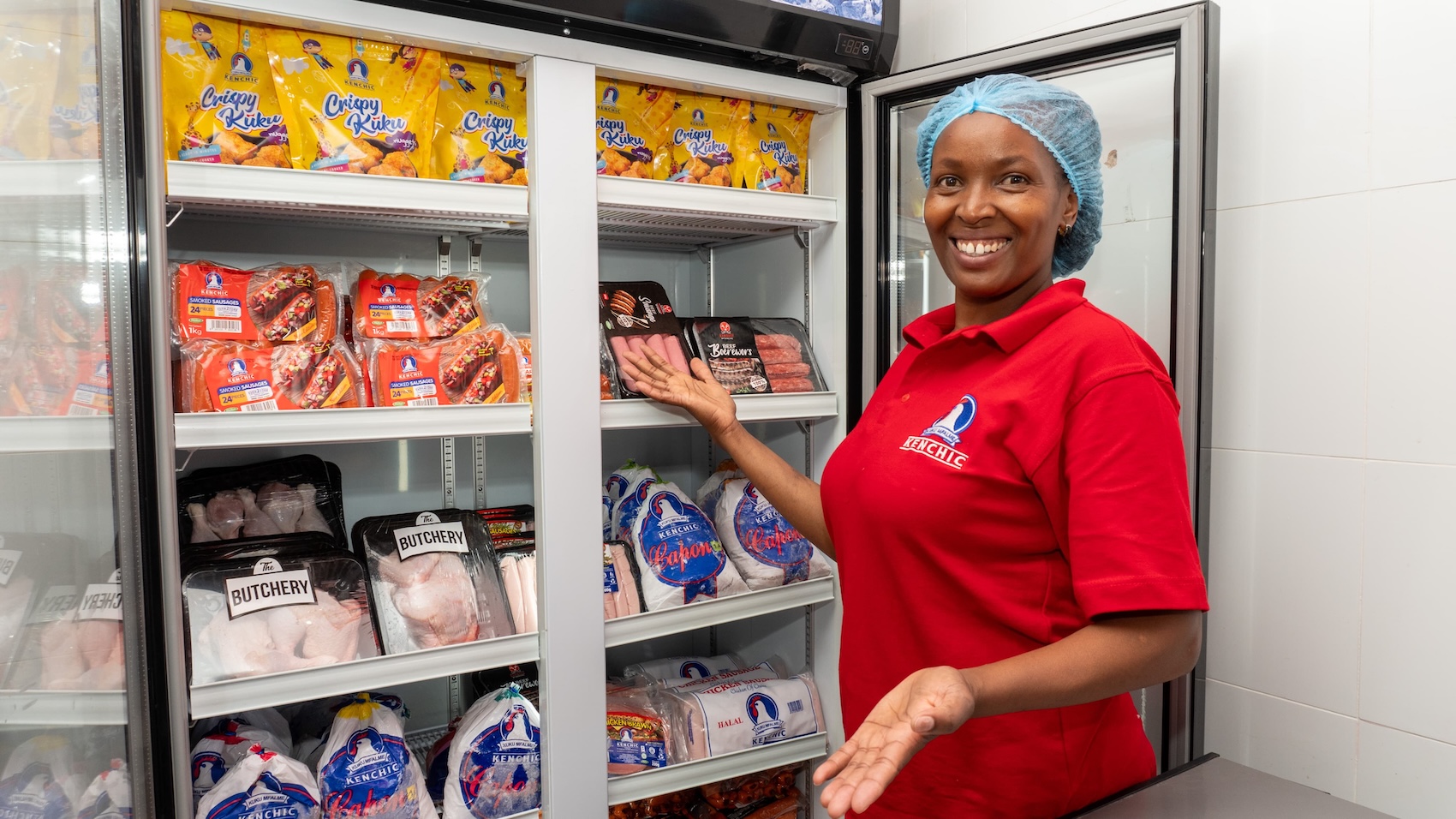
Kenchic Mtaani Butchery Expansion brings fresh poultry, neighbourhood convenience, and hygienic protein access closer to households.
For many Kenyan households, buying chicken still depends on a mix of supermarket trips, informal butcheries, and daily price comparisons across neighbourhood shops. Convenience matters, but so does trust. Families want fresh meat, fair pricing, and confidence in how food is handled before it reaches the kitchen.
Kenchic says that reality is shaping its growing investment in neighbourhood retail through its expanding Kenchic Mtaani Butchery network, with the latest outlet now opening in Imaara Daima.
Read also – Kenchic Launches Branded Butcheries for Safer Protein Access
The company describes the expansion as part of a wider push to move closer to where Kenyan consumers actually live and shop instead of relying mainly on supermarket distribution channels. The new Imaara Daima branch joins a growing network of community-based outlets spreading across Nairobi and other parts of the country.
The strategy reflects changing consumer habits as more Kenyans increasingly prioritise convenience, smaller daily purchases, and trusted food handling standards amid continued pressure on household spending.
Why neighbourhood butcheries still matter
In many estates across Nairobi, neighbourhood butcheries remain deeply woven into everyday life. People buy food in smaller portions, shop more frequently, and often make decisions based on freshness, proximity, and pricing rather than bulk purchasing alone.
That consumer behaviour creates space for hybrid retail models sitting somewhere between informal local butcheries and large supermarket chains.
Kenchic says its Mtaani concept was designed around that exact gap. Customers still want the flexibility and accessibility of local shopping, but many also increasingly care about hygiene standards, consistency, and traceability.
Unlike supermarkets, neighbourhood butcheries also tend to operate closer to how many households actually manage food budgets. Some families buy enough for one meal at a time. Others depend on quick daily purchases after work instead of weekly shopping trips.
The Mtaani outlets are built directly inside residential communities to serve those patterns.
According to Kenchic PLC Managing Director Jim Tozer, the company sees neighbourhood retail as one of its major growth areas moving forward.
“Kenchic Mtaani is about more than opening butcheries. It’s about building a credible, trusted retail presence at the community level, one outlet at a time,” he said.
He added that many Kenyan consumers still struggle with balancing convenience, quality, and affordability when buying protein products regularly.
“Kenyan families deserve access to fresh, well-handled protein without having to travel far or compromise on quality,” Tozer said.
Kenchic Mtaani Butchery Expansion – Changing food retail habits
The expansion also highlights how food retail continues shifting across urban Kenya.
While supermarkets still dominate formal retail in many areas, neighbourhood-focused models have become increasingly important as consumers search for convenience closer to home. Smaller estate-based shops, mini marts, fresh produce stores, and local butcheries continue growing because they align closely with daily purchasing behaviour.
The poultry sector itself has also expanded steadily as chicken consumption rises among urban households looking for alternatives to red meat or more affordable protein choices.
Kenchic says each Mtaani outlet operates under controlled hygiene and food handling procedures while offering fresh chicken cuts at transparent prices. The stores are designed to serve both individual households and smaller commercial buyers including caterers, food vendors, and eateries that rely on consistent daily supply.
That commercial side matters because many small food businesses across Nairobi still source products daily instead of maintaining large storage capacity.
The Imaara Daima branch sits inside one of Nairobi’s densely populated residential zones with growing demand from families, small restaurants, and informal food businesses operating within the area.
The wider retail opportunity
Neighbourhood retail continues attracting attention from large brands because it offers something many formal retail systems struggle to provide consistently: proximity.
Consumers increasingly want products closer to where they live, especially within busy urban environments where transport costs, traffic, and time affect daily shopping habits.
For food businesses, estate-level retail also creates opportunities to build repeat relationships within communities instead of competing purely through supermarket shelf space.
Kenchic says the Mtaani model will continue expanding into additional estates and residential zones over the coming months as the company grows its direct retail footprint across Kenya.
Never miss a story 💜
Breaking news, real stories and money tips for Kenyan women, as they happen.

