
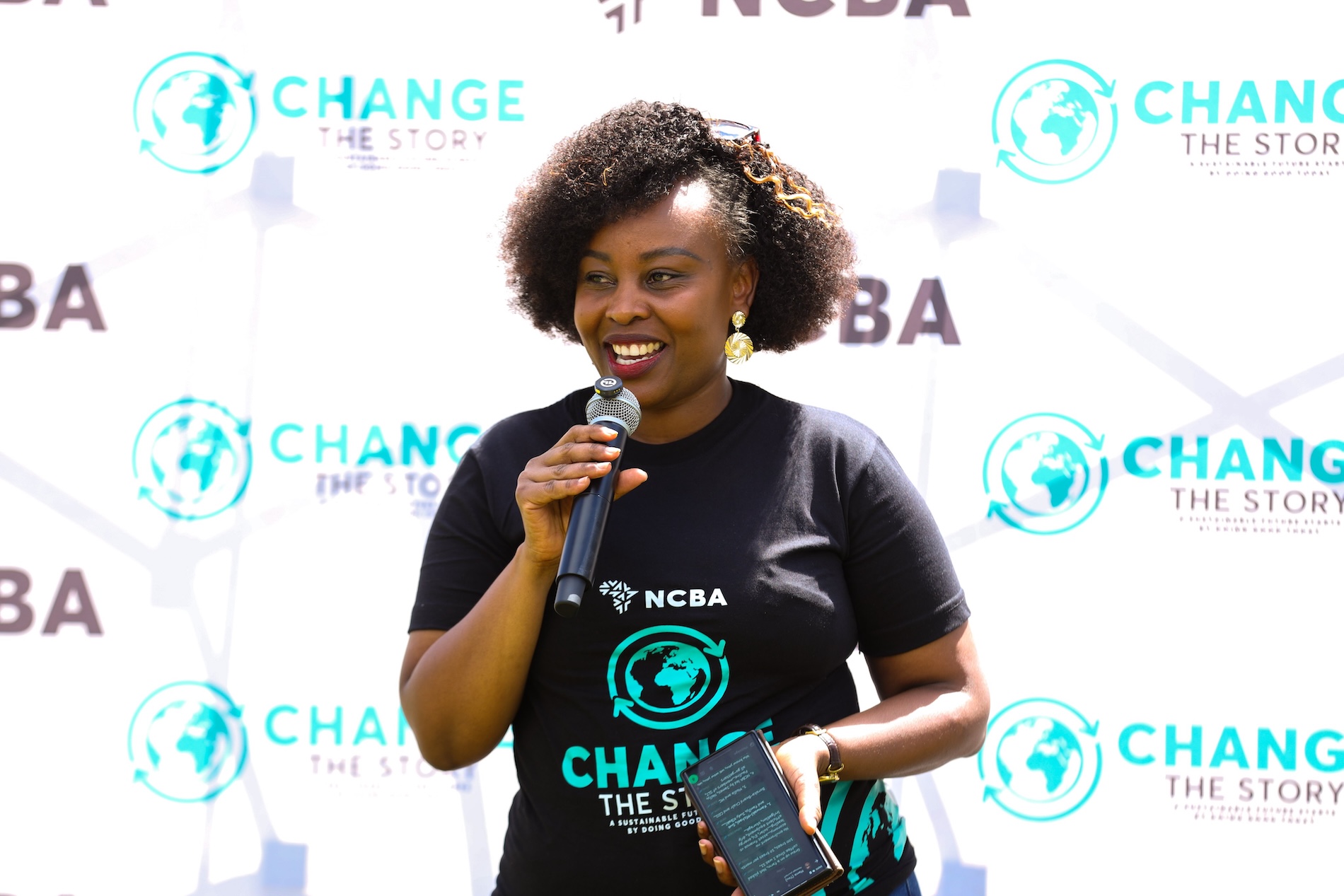
NCBA World Environment Day highlighted conservation, sustainable farming and ecosystem restoration efforts at Kamwaki Coffee Estate.
As coffee farms around Kiambu continue to disappear under housing developments, warehouses and roads, Kamwaki Coffee Estate stands firm as a profitable business and a sustainability champion.
That reality made Kamwaki Coffee Estate an appropriate setting for this year’s World Environment Day activities, where NCBA Bank, Boreka Group, media, and other environmental enthusiasts gathered to talk about something increasingly rare in Nairobi’s outskirts: protecting ecosystems before they disappear.
The event brought together farmers, conservationists and financial sector players for a day centred on restoration, biodiversity and sustainable agriculture. We got to tour the coffee estate, plant trees and explored how conservation efforts can go hand in hand with productive farming.
Boreka Group is a Kenyan environmental enterprise that works with farmers, communities and corporate partners on ecosystem restoration, tree growing, conservation projects and nature based livelihood programmes across the country.

For Boreka Group Founder and CEO Esther Mutuma, Kamwaki represents the kind of ecosystem that deserves attention before urban growth permanently changes it.
“So far NCBA has supported planting of 340,000 trees with Boreka. We’ve done that in different counties in Kitui, in Kwale and now we are doing this for the first time in Kiambu County at Kamwaki Farm,” she said.
Mutuma explained that the partnership goes beyond tree planting. The estate provides an opportunity to demonstrate how wetlands, biodiversity and agriculture can coexist, even in areas experiencing rapid development pressure.
“Kamwaki has an amazing ecosystem here which we believe is critical to showcase how wetlands and ecosystems can be conserved even in peri-urban areas like the one we are in.”
“Kiambu, being very close to Nairobi, it’s critical that we maintain these ecosystems because we don’t have many of them remaining. A lot of it has been taken up with housing and infrastructure building,” Mutuma noted.
The collaboration between NCBA and Boreka forms part of NCBA’s wider Change The Story sustainability agenda, which includes a commitment to grow 10 million trees by 2030 and mobilise KSh30 billion in green and sustainable financing by the end of the decade. The bank says it has already supported restoration activities across several counties through its partnership with Boreka.
At Kamwaki, the focus extends beyond the trees being planted. The farm itself offers a practical example of how conservation can support agricultural productivity. Situated in Kiambu’s coffee-growing highlands, the estate combines coffee production with indigenous tree cover, wetland conservation and agroforestry practices that support soil health, water retention and biodiversity.
NCBA World Environment Day – Collaborations with impact
According to Kamwaki Coffee Estate proprietor Michael Gichuki, becoming a sustainability champion was largely driven by the understanding that conservation and farming do not have competing interests.
“We have been trying to balance the aspect of those who are turning their coffee into estates, but after listening to Boreka, we really liked their concept and their vision, and we found the need to be able to grow with them into that sustainable space,” he said.

Gichuki said the estate has increasingly seen the practical benefits that come with protecting the ecosystem.
“We have seen that it can actually benefit us, and not only by being in that space and growing coffee at the same time, but also benefiting from the sustainability projects and the actual benefits that come with sustaining the land and the ecosystem.”
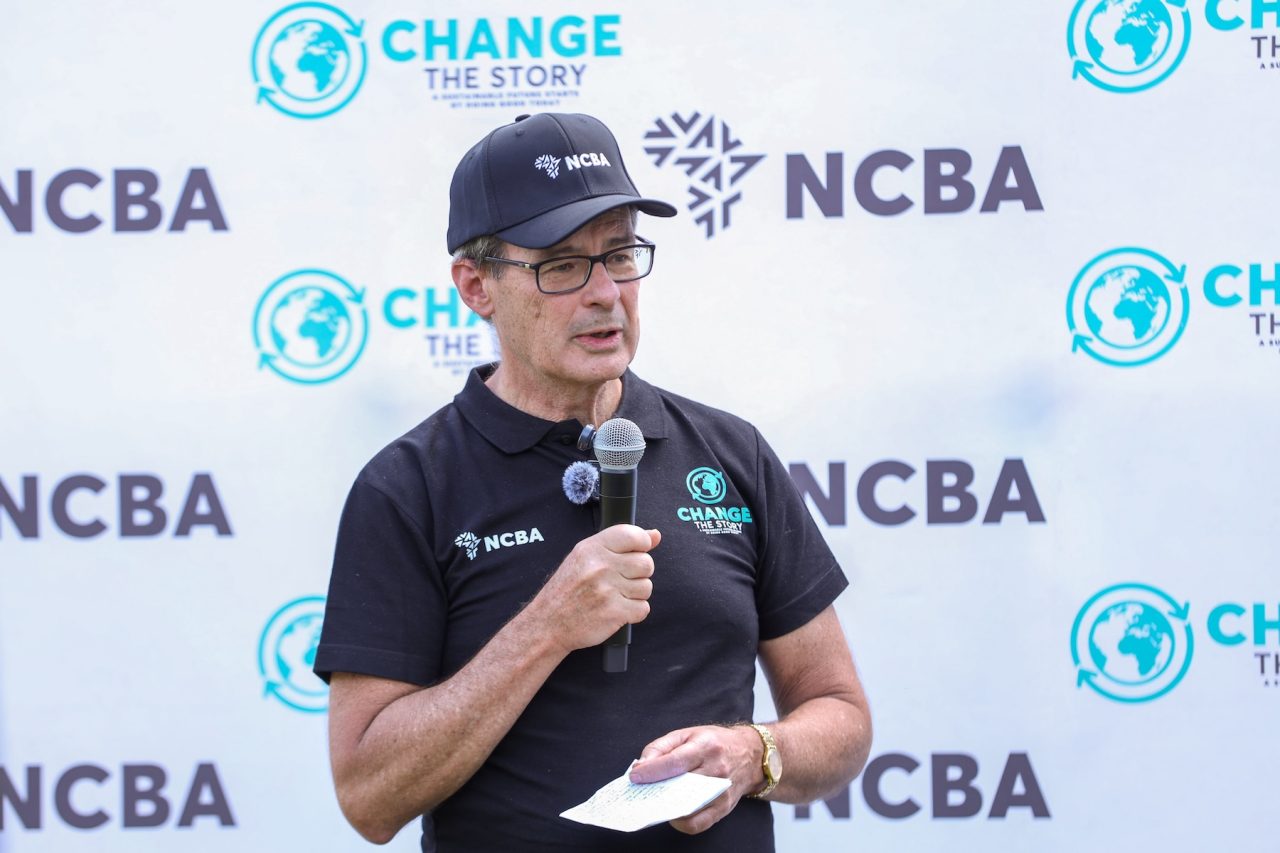
The sustainability conversation also highlighted the role that financial institutions are beginning to play in climate and environmental initiatives. NCBA Kenya Managing Director James Gossip pointed to agriculture’s importance to Kenya’s economy and the growing impact of climate-related disruptions on the sector.
“Agriculture in Kenya employs probably 75% of the rural population. It contributes something like 10% of the economy’s foreign exchange. It’s an incredibly important sector for both social and economic reasons,” he said.
Gossip noted that changing weather patterns continue to present risks for farmers and businesses alike, making environmental restoration an economic issue as much as an environmental one.
NCBA is supporting the sustainability agenda by expanding financing for green projects, including renewable energy and sustainability-linked investments. According to Gossip, the bank has mobilised approximately KSh9.5 billion in financing connected to green activities within the first five months of the year.
“The future of our economy depends on the health of our ecosystems. Our responsibility is to ensure capital supports solutions that create lasting value for communities, livelihoods and future generations.”
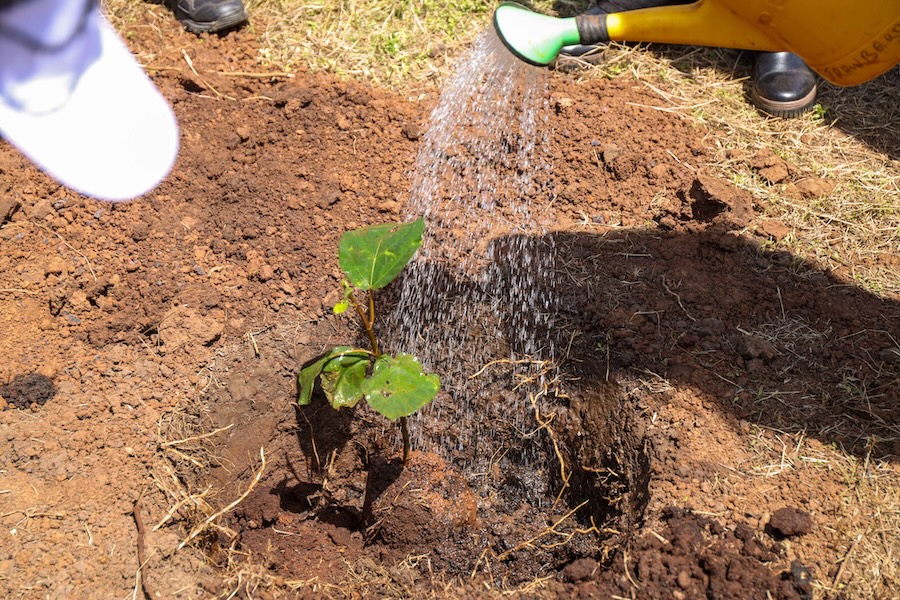
As the day drew to a close, the newly planted seedlings were a visible reminder of the work ahead. For the organisations gathered at Kamwaki, the objective was not simply marking World Environment Day. It was drawing attention to landscapes that continue to support farming, biodiversity and local livelihoods, while making the case that protecting them remains a shared responsibility.
Never miss a story 💜
Breaking news, real stories and money tips for Kenyan women, as they happen.

