
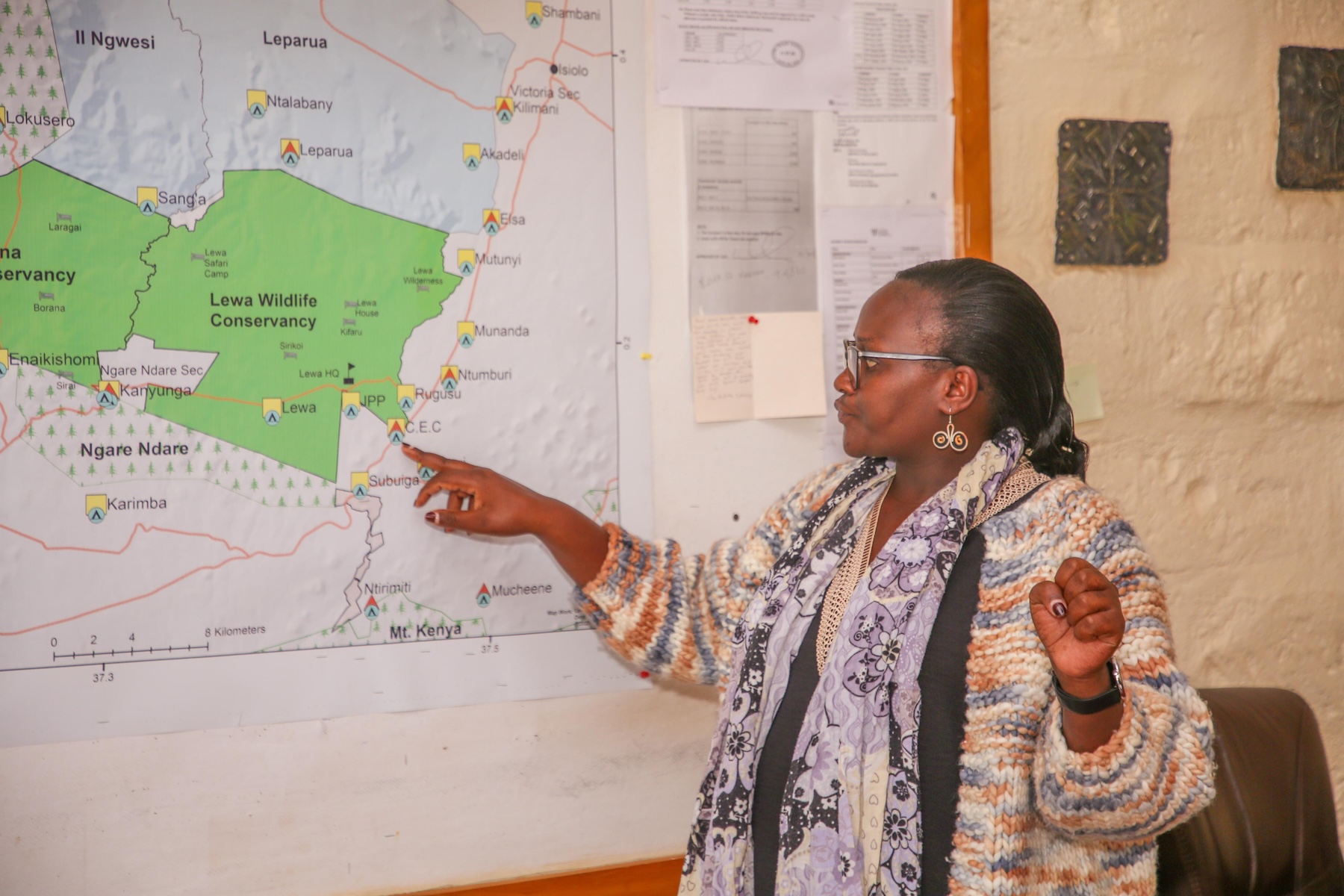
Lewa Safari Marathon impact helped support Purity Kinoti’s education and now thousands of students benefit.
In 2011, Purity Kinoti walked into Lewa Conservancy looking for a scholarship to further her education
She had completed high school at Ntugi Secondary School, one of the schools supported by Lewa’s education programme, and had qualified to join university. But she was facing an uncertain future after losing her father and finding herself without the financial means to pursue higher education.
Lewa stepped in with a scholarship that covered her four years at university and what followed would alter the course of her life in ways she could not have imagined at the time.
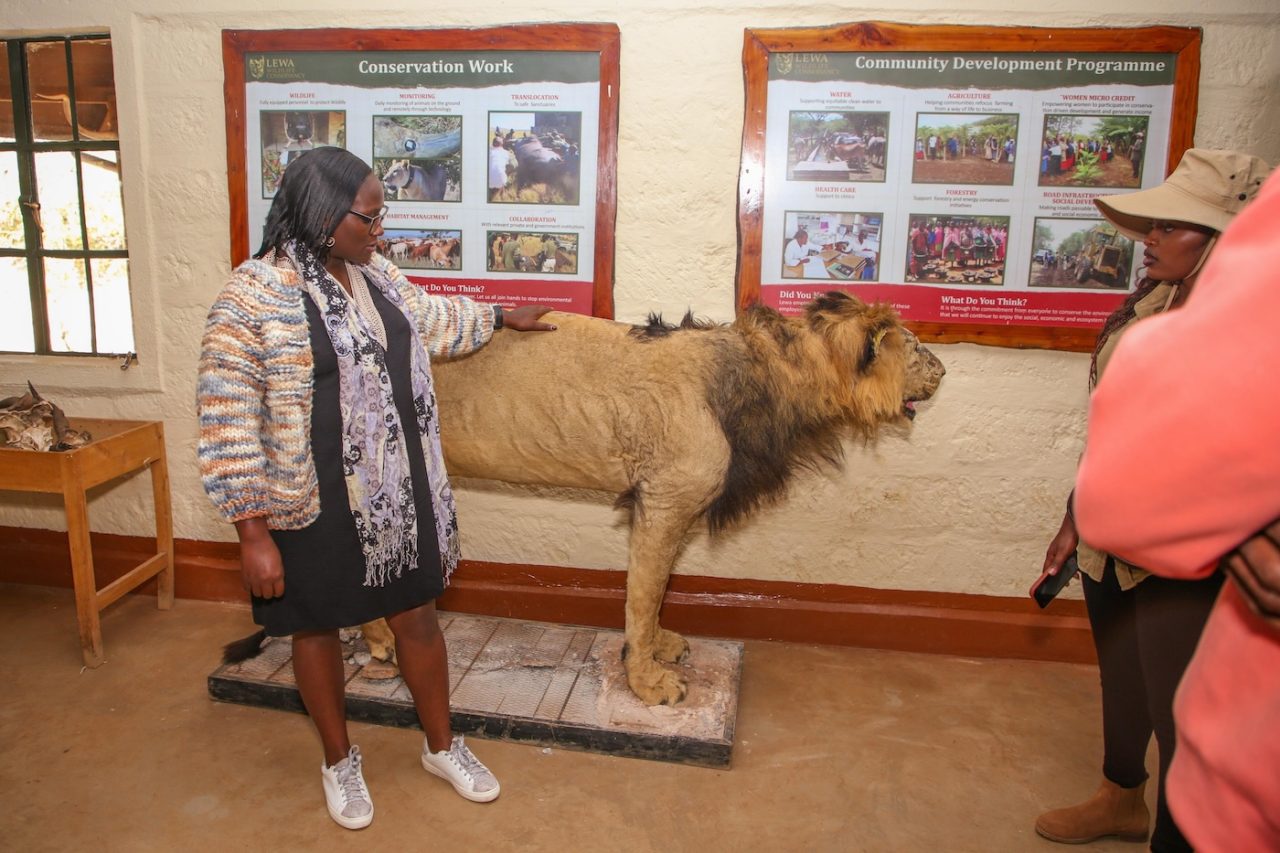
Fifteen years later Kinoti is now Head of Education Programmes at Lewa Conservancy,
In a perfect case of coming back home to the community that built her, Purity is now the Head of Education Programmes at Lewa Conservancy, managing the same programme that helped her pursue her own education.
Hers is a story that captures the long term impact of investing in education, which is one of Safaricom’s pillars for empowerment through its foundations. A young student who needed support has become the person helping thousands of others access opportunities that can change their futures.
Purity has worked at Lewa for seven years now and describes the role as deeply fulfilling because it allows her to work directly with children and communities.
For her, the connection is personal. The scholarship she received in 2011 did more than pay university fees. It opened doors to mentorship, guidance and opportunities that helped shape her career as well as her personal development
Beyond financial assistance, Purity received mentorship and exposure that helped her grow professionally while strengthening her desire to serve her community, and it is these experiences that eventually led her back to the very landscape that had supported her education.
Today, she oversees an education programme that supports 28 schools around Lewa Conservancy, across the Meru, Isiolo and Laikipia, working with students who are navigating challenges very similar to those she once faced herself.
“I did not know that I would one day have an opportunity to directly work with the very community that raised me,” she says.
Education at Lewa extends beyond classrooms.
For instance, each year between 4,000 and 5,000 students visit the conservancy through its conservation education programme. These visits give children an opportunity to understand the role conservation plays in their daily lives and communities.
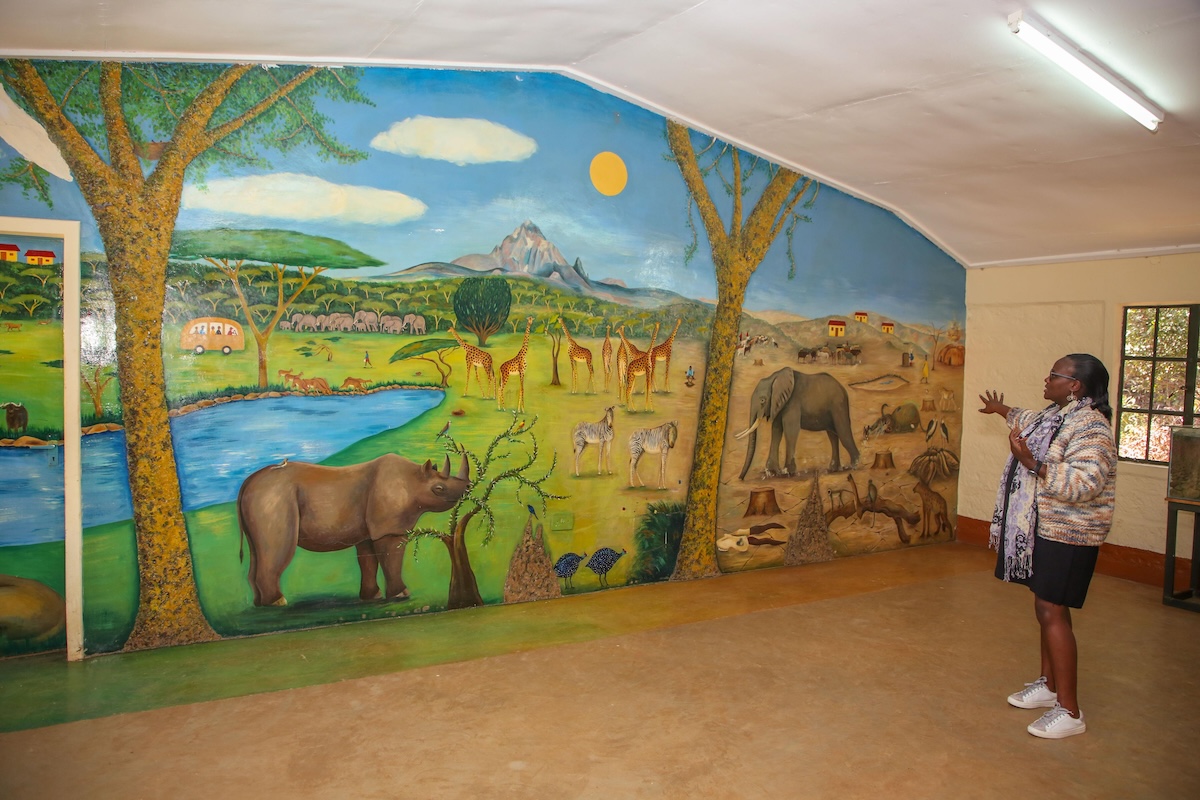
One of the most powerful experiences takes place inside Lewa’s Education Centre, which my colleagues and I were also priviledged to experience. Here students are introduced to exhibits that bring to life environmental issues. They learn about water conservation, soil erosion, biodiversity and human-wildlife conflict. The lessons directly relate to concepts they learn in school and anchor them in the realities of the environment around them, except at Lewa they are show cased with practical props and preserved animals.
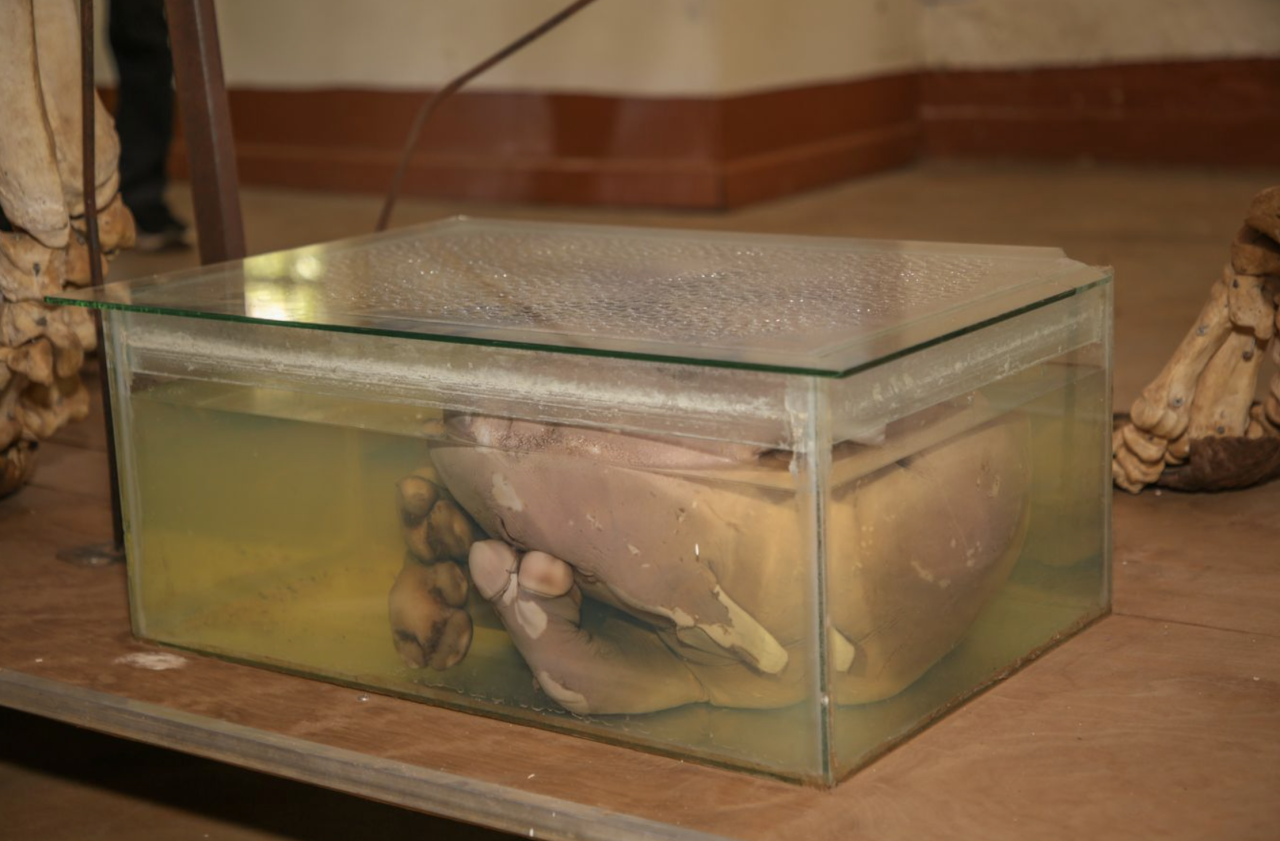
These exhibits leave a lasting impression. Students can see the skeleton of a rhino killed by poachers years ago while she was pregnant, with the foetus also preserved as a showcase. The multiple bullet holes are clear and this helps students realize that poaching is not some abstract concept discussed in news reports or textbooks, but the loss of a real animal and the long term consequences that follow.
“These experiences are about helping children realize that environmental responsibility is for everyone,” Purity says.
The goal is to help young people see that conservation is not solely the responsibility of governments, conservation organisations or policymakers. Every individual has a role to play in protecting the environment.
“When they come here, they are able to connect with the environment within which they live,” she explains.
Read also – Lewa Safari Marathon Impact Starts Long Before The Race
Lewa Safari Marathon impact – 26 years of transforming lives.
As Lewa Safari Marathon marks its 26th year, Purity sees the event as one of the most important drivers behind many of the programmes benefiting local communities today.
The marathon brings together thousands of participants from different backgrounds while raising funds that support education, healthcare, conservation and community development projects.
According to Purity, the impact goes far beyond race day.
The funding has supported school infrastructure, technology investments, healthcare initiatives, water projects and sanitation programmes that directly benefit communities living around Lewa.
Students in Lewa supported schools have been able to use technology resources that help prepare them for an increasingly digital world. Schools have benefitted from training programmes, workshops and infrastructure improvements that would have been difficult to achieve without long-term support.
The marathon has also provided a platform for cultural exchanges and interaction between the local communities and visitors from across the globe who come to run.
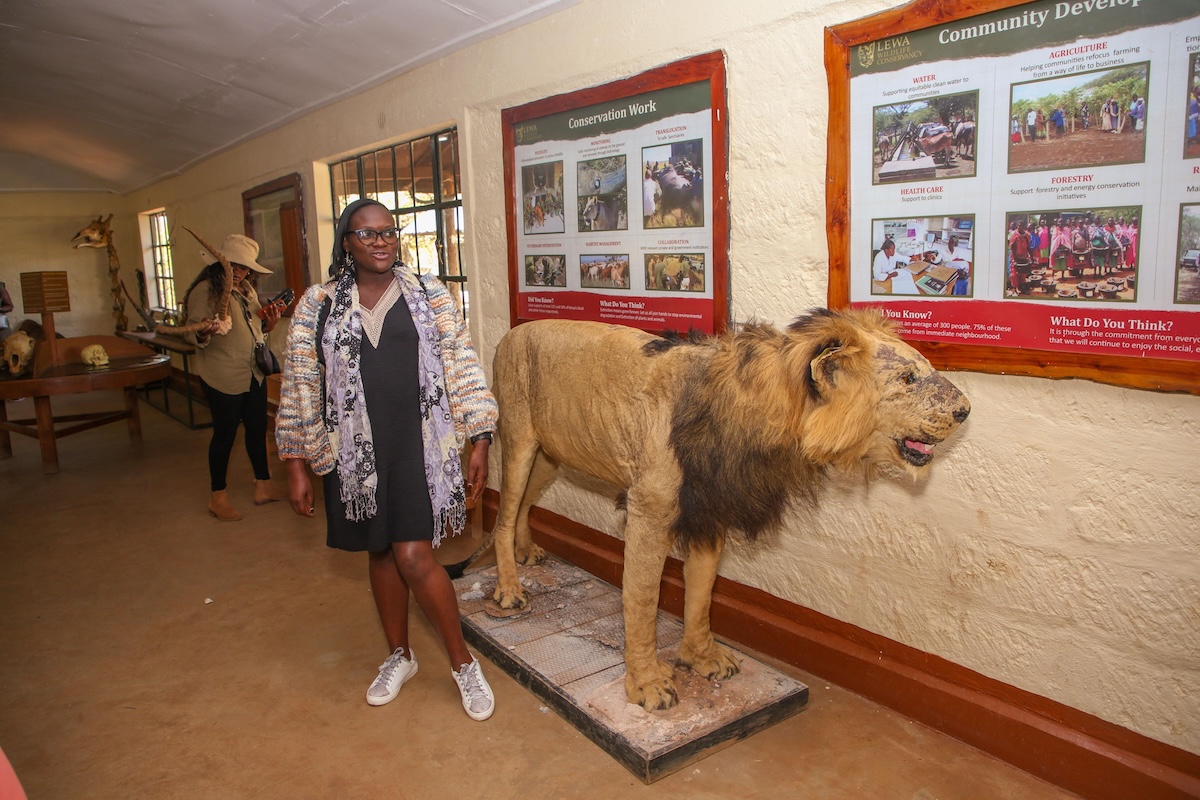
Reflecting on the programme’s impact, Purity has special appreciation for Safaricom for the long term support of Lewa Safari Marathon for 26 years without fail. The impact of this support is evident in all the communities surrounding Lewa Conservancy, in areas like healthcare, infrastructure, water and sanitation, farming, technology and of course education.
We see this in the students who remain in school, the mothers whose lives are being improved by community programs and the young people who are given opportunities once thought impossible.
Few people embody that impact more clearly than Purity herself. The student who once came to Lewa seeking a scholarship and now leads a programme shaping the futures of thousands of children across Northern Kenya.
Never miss a story 💜
Breaking news, real stories and money tips for Kenyan women, as they happen.

