
NCBA School Financing Solutions help schools access funding, digital collections, insurance and investment tools for expansion.
Private school financing is becoming a bigger part of the conversation in Kenya as school owners work to keep up with growing enrolment, changing parent expectations and the rising cost of running learning institutions.
Private schools across the country are investing in new classrooms, science laboratories, digital learning platforms, school buses and renewable energy solutions. At the same time, they are managing rising operational expenses, fee collection challenges and increasing competition from other institutions.
Financial institutions are beginning to pay closer attention to these realities, with banks increasingly developing products designed specifically for schools rather than offering standard business banking services.
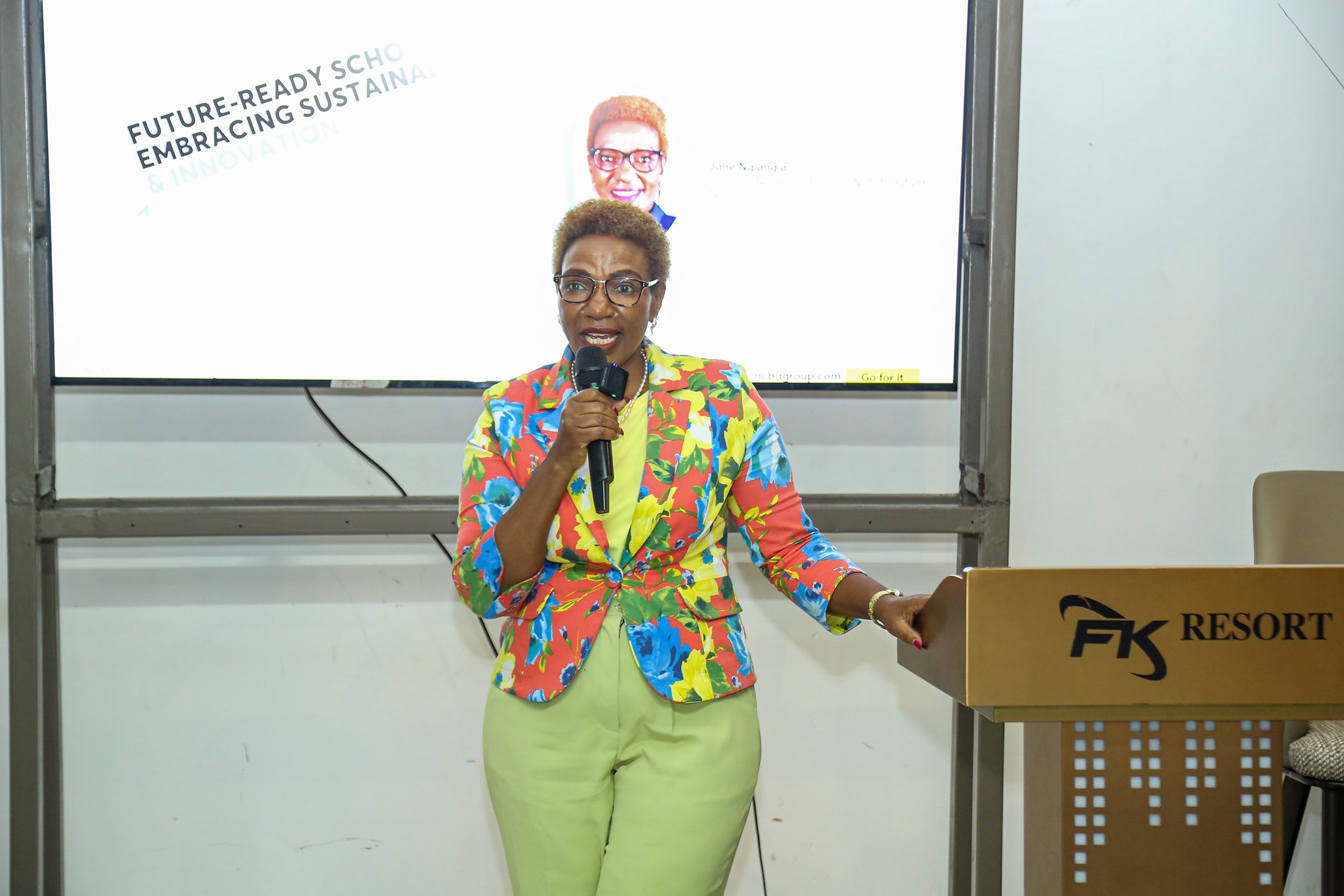
The shift was evident during the NCBA Private Schools Directors Engagement Forum in Nyeri County, which brought together school owners, directors and education stakeholders to discuss sustainability, innovation and the future of private education in Kenya.
Private education has become an important part of Kenya’s learning ecosystem. According to the Kenya Private Schools Association, the country has more than 10,400 registered private primary schools serving over 2.1 million learners. Another 1,600 private secondary schools educate more than 277,000 students.
Those numbers continue to rise as parents seek alternatives that offer smaller class sizes, specialised programmes and modern learning environments.
Growth, however, comes with a cost.
Many schools are expanding facilities to accommodate growing student populations, while others are investing in technology that supports digital learning, upgrading transport fleets, improving security infrastructure and exploring solar energy as a way to manage long-term expenses.
For school proprietors, finding affordable financing while maintaining healthy cash flow remains a constant challenge.
The cost of staying competitive
The expectations placed on schools today are very different from those of a decade ago.
Parents increasingly expect institutions to integrate technology into learning, maintain quality facilities and provide safe, reliable transport. Schools are also under pressure to improve administrative efficiency, particularly in fee collection and financial management.
According to NCBA Director of Network Business and Distribution Jane Ng’ang’a, these changing realities have influenced what schools now expect from their banking partners.
“Schools today are operating in a rapidly evolving environment that requires continuous investment in infrastructure, technology, transport and operational efficiency. At NCBA, we understand these realities and have developed a comprehensive value proposition designed specifically to support schools at every stage of their growth journey,” she said.
The bank has introduced a bundled proposition that combines financing, digital collections, transaction banking, insurance and investment solutions within a single package designed for educational institutions.
One of the key discussions during the forum centred on the growing demand for integrated financial services.
School leaders increasingly need support beyond access to credit. Many are looking for systems that simplify fee collection, improve accountability and help institutions plan for future expansion.
Dionisio Ndegwa, Private Schools Assistant Coordinator for the Private Schools Association’s Nyeri Chapter, said schools are balancing several priorities at the same time.
“Private schools today are balancing the need to invest in infrastructure, technology and quality learning environments while managing operational costs and changing market demands. Access to a financial partner that understands these challenges and can provide tailored solutions is critical to helping institutions remain sustainable and competitive,” he said.
Ndegwa added that schools also require support in areas such as insurance, transport acquisition, collections and long-term financial planning.
As Kenya’s private education sector continues to mature, the conversation is moving beyond basic banking services towards financial solutions built around the realities of running a school. Access to financing, efficient operations and long-term planning are becoming increasingly important as institutions position themselves for the next phase of growth.
Never miss a story 💜
Breaking news, real stories and money tips for Kenyan women, as they happen.

