
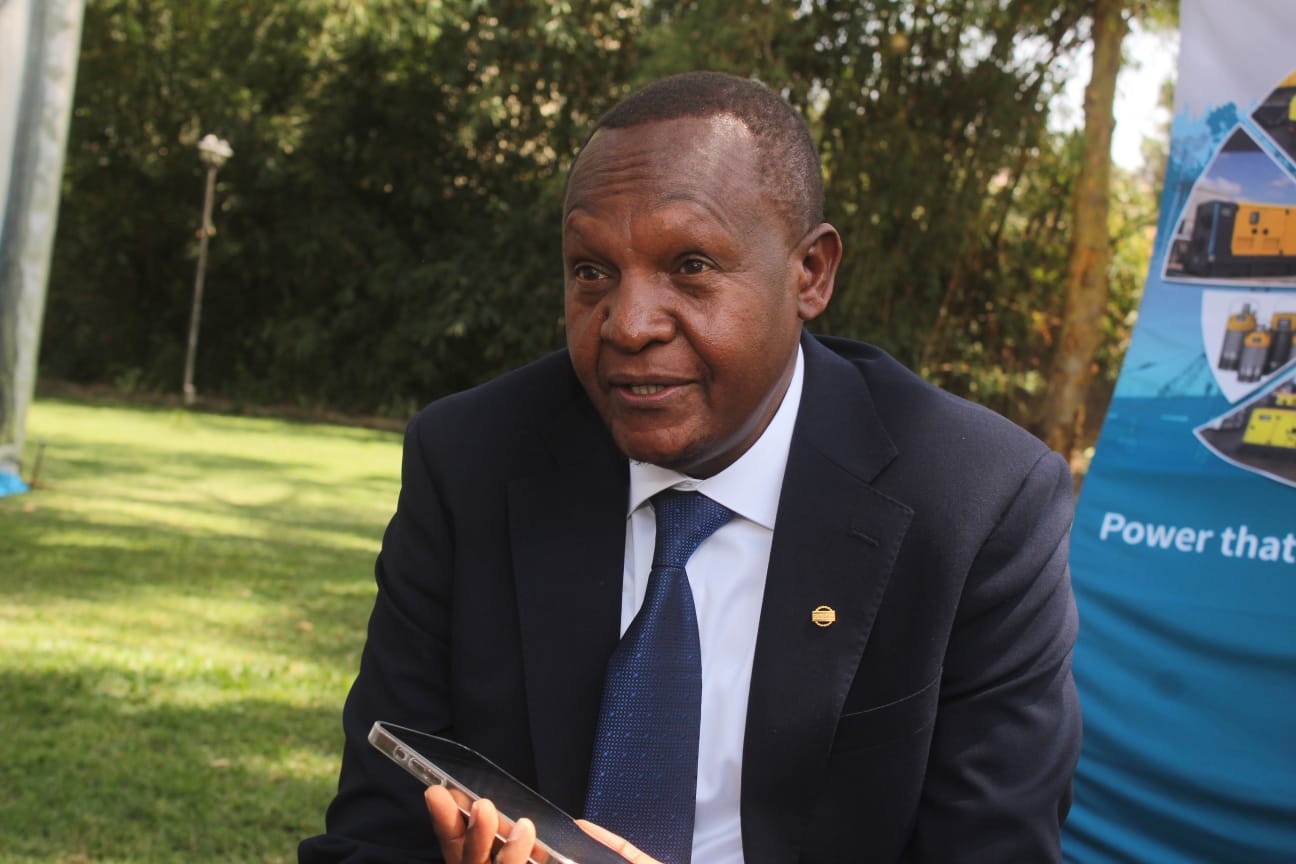
Atlas Copco East Africa strengthens Kenya’s regional hub through manufacturing investment, digital technologies and expanded industrial services across Africa.
Kenya is becoming a key base for industrial expansion in East Africa, and Atlas Copco Kenya believes the region has room for sustained growth across manufacturing, mining and infrastructure. As the engineering solutions company marks 90 years in Kenya, it is increasing its investment in new technologies and expanding the range of industries it serves from its Nairobi operations.
The company currently supports customers in about 14 countries from Kenya, making Nairobi its regional hub. Company executives say East Africa continues to record growth across several sectors despite a challenging global economy, creating demand for industrial equipment, technical support and modern engineering solutions.
East Africa presents fresh opportunities
Atlas Copco President of the Power Technique Service Division, Stefan Vertriest, said the company is seeing activity across nearly every business segment in which it operates.
“We see development in almost every business area where we operate. Mining is growing, manufacturing is expanding, and we continue to invest because we believe the future for East Africa is very promising.”
The company operates through four global business areas and 24 divisions across the globe. Around 13 to 14 of those divisions are already active in Kenya, reflecting the country’s growing role within the group’s African operations.
The latest expansion includes the introduction of Industrial Technique operations, aimed at supporting vehicle assembly plants and manufacturers across the region. Atlas Copco has also expanded into industrial cooling and dewatering solutions as demand grows from emerging industries.
Regional General Manager for East and Central Africa, Raphael Kiandiko, said industrial development across East Africa continues to create new business opportunities.
“New industries are emerging, mining is scaling up across the region, and we continue identifying new segments where we can bring value. The region continues to offer tremendous opportunities.”
While industrial equipment often attracts the most attention, Atlas Copco says its business model places equal focus on servicing machines throughout their working life.
According to the company, some customer equipment has remained operational for close to 50 years because of continued maintenance and technical support provided through its regional service network.
Vertriest said having engineers and technicians close to customers has helped the company build lasting relationships.
“We never let down a customer. Our technicians are on the ground, close to customers, and that local presence has been our strength for more than 150 years.”
That regional presence has become increasingly important as industries seek to minimise production interruptions and keep operations running efficiently.
Artificial intelligence is changing equipment maintenance
Technology is also changing how industrial machinery is managed across East Africa.
Atlas Copco says engineers based in Nairobi now monitor thousands of connected machines across the region using artificial intelligence and remote monitoring systems. The technology allows engineers to identify potential problems before equipment fails, reducing downtime and helping customers maintain productivity.
As industries continue to embrace digital technologies, connected equipment and predictive maintenance are likely to become even more significant in the coming years.
At the same time, it is investing in energy-efficient products, including hybrid power systems, battery storage, variable-speed compressors and solar-powered lighting systems. These technologies are designed to help industries reduce operating costs while lowering carbon emissions.
The company’s expansion also comes as Kenya and the European Union continue implementing the Economic Partnership Agreement, which aims to increase trade and investment between the two markets.
Acting Ambassador of Sweden to Kenya, Sophie Hilbom Kalin, said the agreement creates room for greater commercial ties between Kenya and Europe.
“I think there is a demand and that can increase a lot. We do have a free trade agreement between the European Union and Kenya, which should create the conditions for trade and investment to flow between Europe and Kenya. So, it’s definitely great potential.”
Kalin noted that around 40 Swedish companies currently operate in Kenya, with Atlas Copco among the country’s longest-established Swedish businesses.
She added that Sweden hopes to see additional companies expand into Kenya as trade relations continue to grow, while calling for predictable policies that support investment and long-term business planning.
That vision remains focused on Kenya. As manufacturing expands, mining activity builds and industries adopt new technologies, the company sees East Africa as a key market for the next phase of growth.
Never miss a story 💜
Breaking news, real stories and money tips for Kenyan women, as they happen.

