
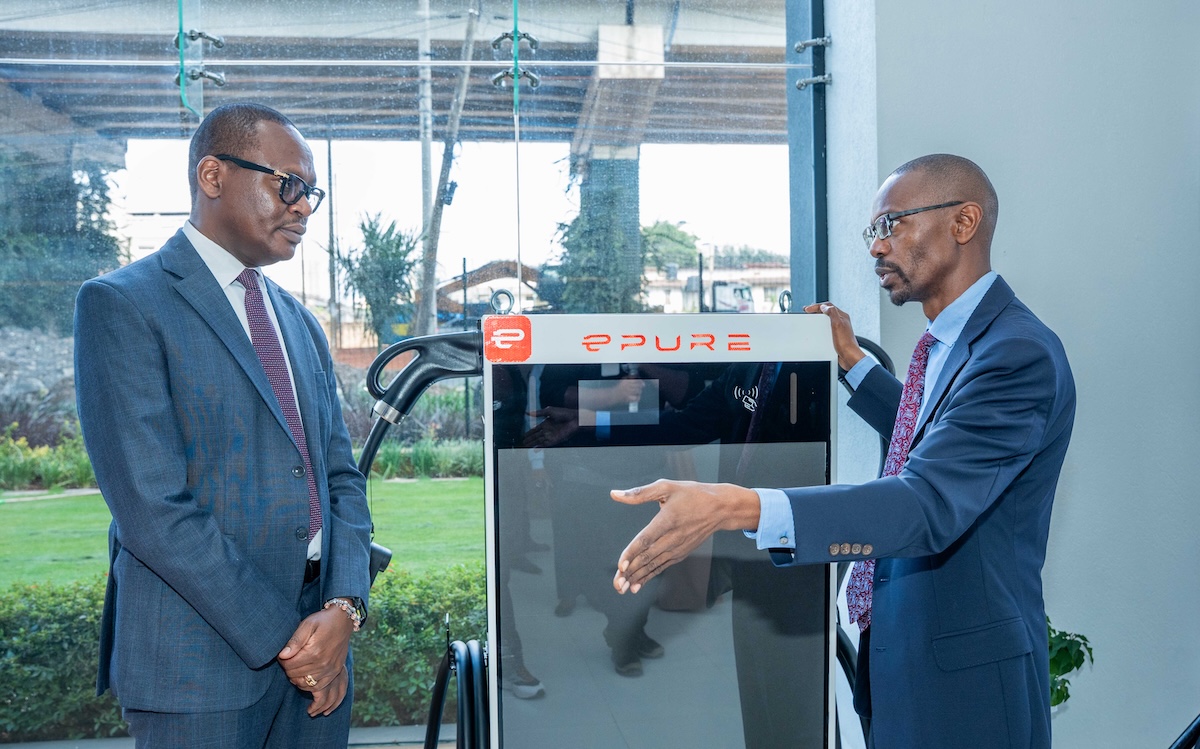
NCBA ePure EV Financing offers flexible loans, helping individuals, SACCOs and businesses adopt electric vehicles across Kenya.
Getting an electric vehicle in Kenya just got a bit easier. NCBA Bank and ePure Motion have signed on to a partnership that opens up financing options for people, SACCOs and companies looking to go electric.
Salaried customers buying ePure Motion’s passenger vehicles for personal use are the first to benefit. They can now borrow up to the full value of the vehicle, with as long as six years to pay it back, though this depends on meeting eligibility rules and passing a credit check.
There’s a separate track for public transport. Someone buying a 16-seater electric matatu as an individual SACCO member can borrow up to 80% of the cost, paid off over four years at most. SACCOs and PSV companies that are already established get a better deal: up to 90% financing and five years to repay.
The two firms also agreed to work together on a handful of other fronts. That includes better financing terms overall, longer repayment windows for customers who qualify, reduced processing costs during a promotional period, insurance options tailored to different customer types, and fleet financing packages that can fold in charging infrastructure where it’s needed.
Lennox Mugambi, who heads NCBA’s Asset Finance and Business Solutions division, spoke at the signing. He pointed to the bank’s standing in the market as context for the deal, noting NCBA holds over 30% of the asset finance market and has built that position through partnerships and a close read of how mobility needs are shifting. He framed the EV tie-up as consistent with that approach: widening access for individuals, SACCOs and fleet operators while giving customers a path to cut costs over time and run more efficient operations.
ePure Motion’s CEO, Dr. Gilbert Saggia, made the case that financing alone doesn’t move the needle on EV adoption. In his view, the shift happens once vehicles, financing, charging and aftersales support all come together as a single package rather than separate pieces customers have to assemble themselves. He described the NCBA partnership as a way of taking one of those pieces, the financing, and making it far less of an obstacle for everyday Kenyans and businesses.
Kenya’s EV numbers back up the timing. Government data from the National Electric Mobility Policy puts registered electric vehicles at just over 1,300 in 2022, a figure that had climbed past 39,000 by 2025.
There’s also a structural reason Kenya suits this shift. Close to 90% of the country’s power comes from renewable sources, which puts it among the cleaner grids globally. Transport tells a different story though, since it remains one of the biggest sources of emissions in the country and eats up around 72% of petroleum fuel used nationally.
That gap between clean power and dirty transport is part of what’s pushing lenders toward EV-specific products. NCBA has set aside KES 2 billion for its EV Financing Programme, and paired with ePure Motion’s broader mobility ecosystem, the goal is to chip away at the access problem that’s kept many buyers on the sidelines.
Beyond the loan itself, ePure Motion customers get a bundle of extras: a portable charger, warranties covering the battery and motor, a free service plan, road rescue cover, and discounted rates at the company’s charging stations. Fleet buyers also get help with deployment planning and general guidance on running electric fleets.
Put together, the partnership bundles financing, the vehicles themselves, charging access and aftersales care into one offering, something both companies say should make electric mobility a realistic option for a wider range of buyers across Kenya, from individual commuters to SACCOs to larger transport operators.
Never miss a story 💜
Breaking news, real stories and money tips for Kenyan women, as they happen.

