
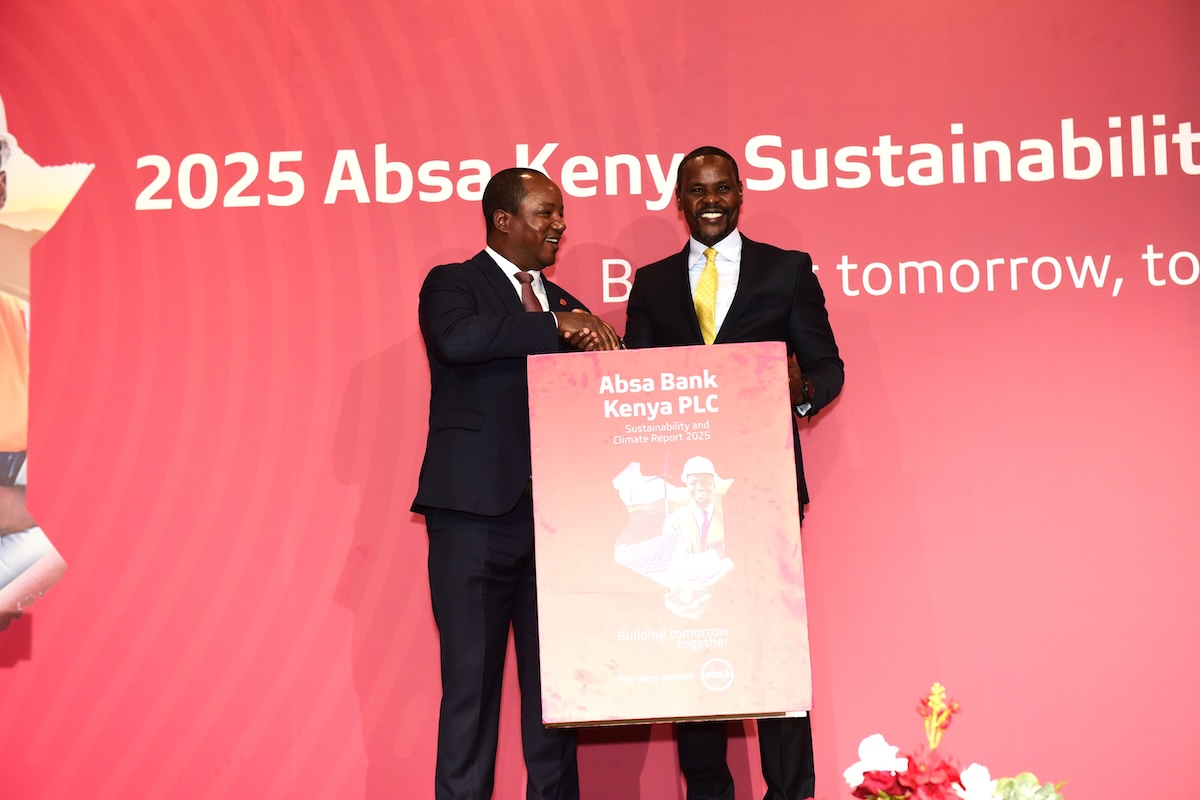
A few years back, sustainability was something banks tucked into an annual report. Nobody really read those pages. Now it shows up in the actual decisions people make, the mortgage they pick, the loan they apply for, even which branch they walk into. At Absa Bank Kenya, here’s what that looks like on the ground.
Home loans are going green
Buying or building a house, Absa now has the Eco Home Loan, which can finance up to 110 percent of the cost. That covers solar panels, rainwater harvesting, energy efficient lighting, and also the boring extras that usually surprise people, like stamp duty and valuation fees. The point is to make the greener option the easier one, not the pricier one.
SMEs can access sustainability financing
Small businesses usually get left out of these conversations. But Absa put Shs 48.8 billion into financial inclusion financing in 2025, a lot of it reaching micro and small enterprises, on top of Shs 55.3 billion in total sustainable finance. So this isn’t just for the big corporates. It’s reaching the businesses that make up daily life in Kenya.
Banks now assess climate risk before lending
This part happens mostly behind the scenes. Absa has started building climate risk into its lending process, using scenario analysis and geo referencing tools to figure out how droughts or floods might affect a borrower’s ability to repay. Around 19 percent of the Bank’s loan book sits in high emission sectors like manufacturing and transport, and that’s now something actively tracked rather than left alone.
Women owned businesses are getting targeted support
Through Sourcing2Equal and Tuungane 2X na Absa, women entrepreneurs are getting more than encouragement. Over 1,500 women went through procurement readiness training, and more than 150 procurement contracts ended up with women owned businesses through the partner corporates involved. Absa has also set a target to get women, youth and persons with disabilities to 30 percent of its supplier base by 2030, up from 22 percent now.
Buildings are becoming more energy efficient
Five of Absa’s premises now hold EDGE certification, a global efficiency standard, and a solarisation pilot across four branches showed efficiency gains between 30 and 51 percent. Since 2019, the Bank has trimmed its electricity use enough to cut energy costs by over 40 percent. A customer walking into a branch probably never notices this, but it changes what that branch actually costs the environment.
Digital banking is reducing paper and emissions
About 94 percent of Absa’s customer transactions in 2025 happened digitally rather than in person. Platforms like Timiza, and the newer Absa Next, mean fewer printed statements and fewer trips to a branch. Less paper, less travel, smaller footprint, and it’s usually more convenient for the customer anyway.
Sustainability is becoming part of everyday banking decisions
Maybe the biggest change is structural. Every new product at Absa now gets checked against whether it supports sustainable finance, financial inclusion or climate action. The Board reviews sustainability matters every quarter, and all Corporate and Investment Banking transactions above USD 5 million now go through ESG risk screening. It’s stopped being a side initiative. It’s become one of the questions the Bank has to answer before it says yes to almost anything.
Put together, these aren’t just cosmetic changes. They point to banking in Kenya being rebuilt, slowly, one loan and one branch at a time.
Never miss a story 💜
Breaking news, real stories and money tips for Kenyan women, as they happen.

