
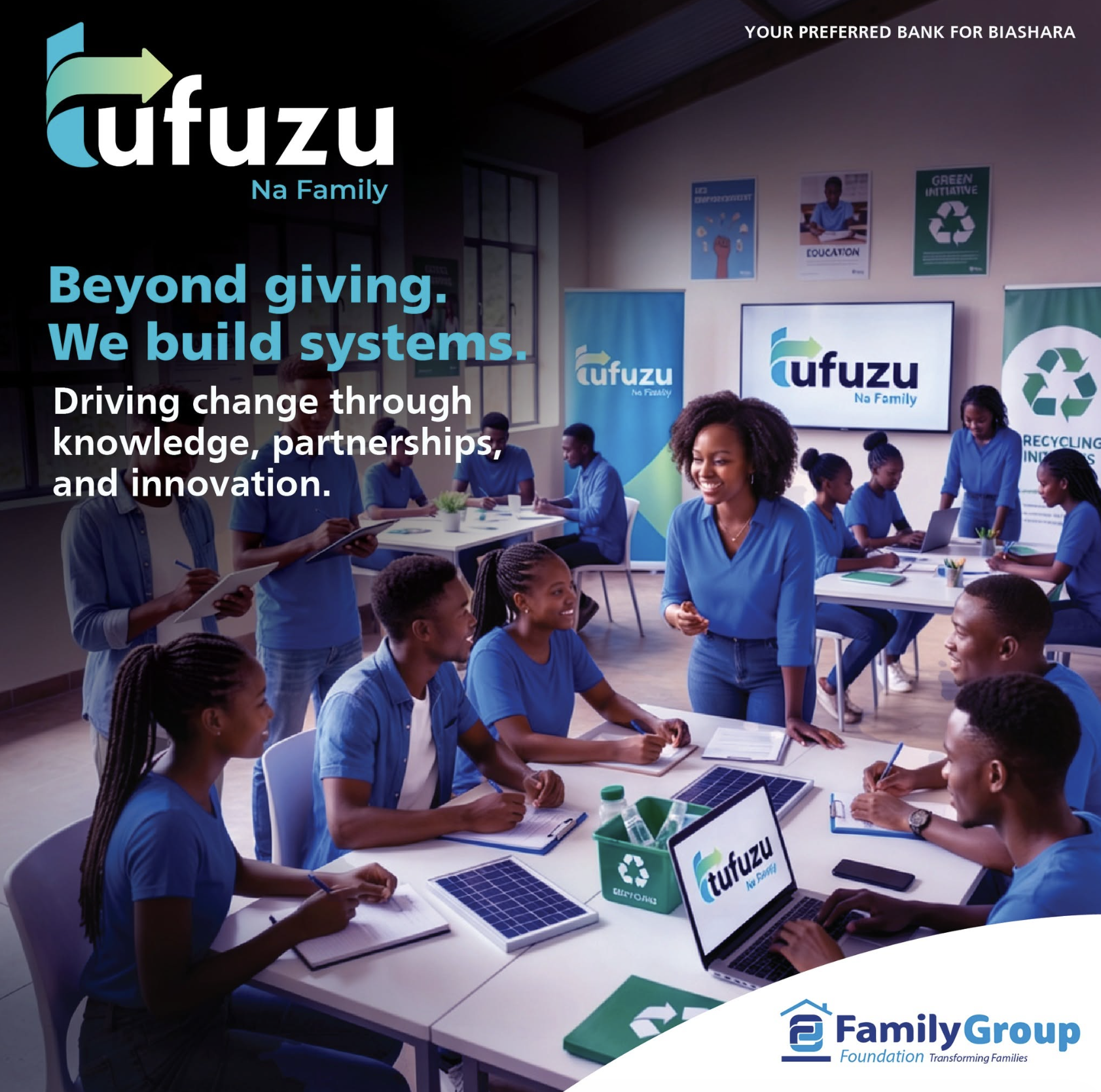
Talk to any Kenyan parent long enough and the same worries tend to surface. Whether their child will actually finish school. Whether there will be a job waiting once they do. Whether the next generation ends up better off than the last.
For a lot of families, the answer to those questions has less to do with effort and more to do with access. School fees that is hard to raise, education that is patchy depending on circumstances, and a job market that simply doesn’t have room for every young person coming out of it. These are the gaps standing between what people are capable of and what they actually get to do.
The Family Group Foundation was set up to close some of those gaps.
As the sustainability arm of Family Bank Group, the Foundation puts its resources into education, youth empowerment and environmental work, three areas that, on paper, look separate but in practice tend to reinforce each other. The thinking behind it is fairly simple. Give people real support, and they will build better lives, not just for themselves but for the people around them.
That thinking now has a name attached to it, the Tufuzu na Family initiative.
Tufuzu is Swahili for “to succeed,” but the campaign uses it to mean something broader than personal achievement. Success, in this context, is treated as something built collectively, through the support and access a person is given, not something they have to manufacture entirely on their own. Nobody’s circumstances at birth should be the ceiling on what they can become, and that’s the pillar that the whole campaign rests on.
Over time, this has taken shape through a handful of programmes, each tackling a different piece of the same puzzle.
Tufuzu na Elimu is the Foundation’s best known initiative. It funds scholarships for learners from vulnerable backgrounds, but the support doesn’t stop at tuition. Students also get mentorship, life skills training and career guidance, the kind of preparation that matters once school ends and the real world checks in. The idea is that a certificate alone doesn’t set anyone up for success, and that confidence and practical skills do just as much of the work.
Alongside Elimu, the Foundation has also expanded into youth economic empowerment, recognizing that a good education means little if there’s nowhere to put it to use. Working with partners, the foundation runs skills development programmes that help young entrepreneurs get their businesses off the ground, improve their income, and in turn, create work for others around them. It’s less about handing out qualifications and more about helping young people actually earn a living from what they’ve learned.
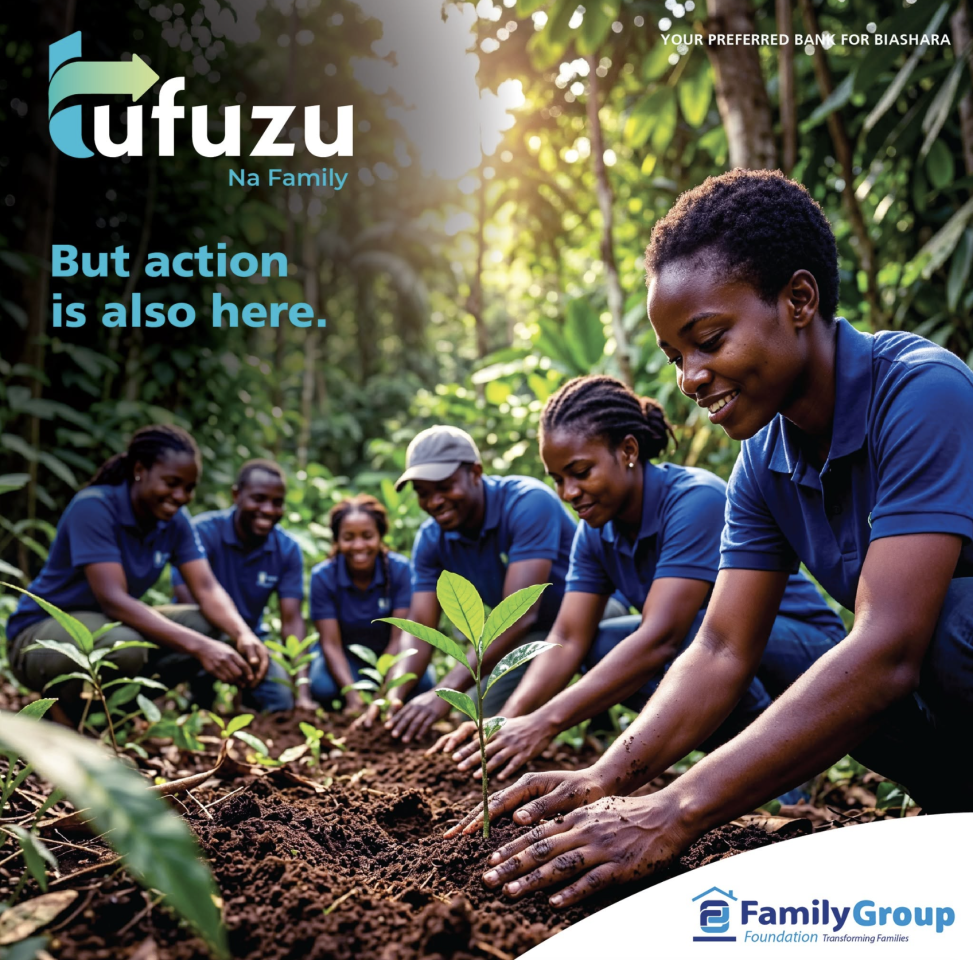
The third arm of the Family Bank Foundation‘s work is environmental sustainability, carried out through conservation projects and community based programmes that protect natural resources while trying to build more resilient livelihoods for the generations coming after.
None of these three areas exist in isolation. A student who makes it through school stands a better chance at finding work or starting something of their own. A young entrepreneur who gets a business up and running brings income into a household and often, employment for someone else too. Multiply that across enough families and you start to see stronger communities built on the ripple effects of empowerment. That is the logic tying education, economic empowerment and environmental work together under one campaign.
Since it was founded in 2012, the Family Group Foundation has run programmes in all 47 counties, adjusting its approach in response to evolving needs of Kenyans. The Foundation can point to numbers, scholarships handed out, young people trained and communities reached, but the real measure of impact is often more powerful and harder to quantify. It is in the individual lives that took a different path because someone gave them an opening.
Never miss a story 💜
Breaking news, real stories and money tips for Kenyan women, as they happen.

