
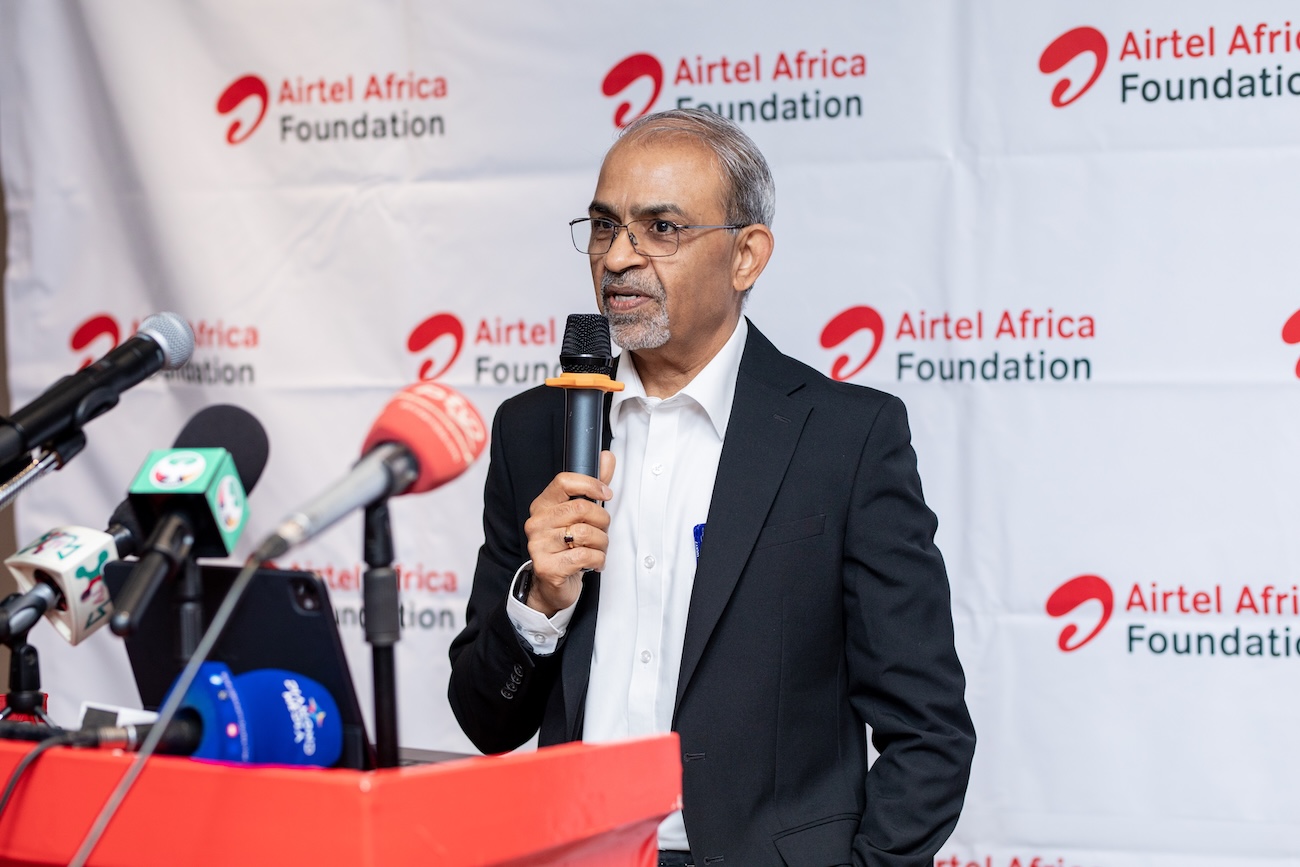
Airtel Africa and Starlink just launched satellite-to-mobile service in the Democratic Republic of the Congo. It’s the first time anything like this has gone commercial anywhere in Africa. For Airtel customers with the right smartphone, this basically means connectivity anywhere they can see the sky, even in spots that have never had network coverage before.
Starlink’s constellation is the largest of its kind in the world, 650 satellites and counting. Right now the service handles lighter stuff, WhatsApp messages, SMS, that sort of thing. No extra equipment needed, no separate device. Your regular phone does the job.
None of this happened overnight. Airtel Africa and Starlink announced their partnership in December 2025, then tested Starlink Mobile’s data and messaging capabilities in Kenya back in March 2026. DRC is where it’s finally gone live commercially, the first Airtel market and the first country in Africa to get there.
There are a few requirements though. You’ll need a compatible LTE Android phone and either an active Airtel DRC data bundle or roaming switched on. Apple users aren’t left out forever support is coming, just not yet.
Sunil Taldar, Airtel Africa’s CEO, called it a milestone moment. “The first-ever commercial launch of Starlink Mobile in Africa is a significant milestone for Airtel Africa through our partnership with SpaceX. By combining Airtel’s terrestrial network with Starlink’s satellite technology, we are extending essential connectivity beyond the limits of conventional mobile infrastructure. The DRC is leading this important development, and the experience gained here will support the progressive expansion of the service across our markets, subject to country-specific regulatory approvals,” he said.
Theirry Diasnoma, who runs Airtel DRC, weighed in too on why this matters for the country specifically. “The commercial launch of Starlink Mobile is an important step in extending essential connectivity across the DRC. Our country’s size and geography mean that many people live, work and travel beyond the reach of conventional mobile infrastructure. This service provides an additional layer of connectivity, helping customers remain reachable, informed and connected even in areas where terrestrial coverage is unavailable,” he said.
Who actually benefits from this? Truckers and logistics operators moving through remote stretches. Aid workers. Health staff out in the field. Farmers, mining crews, and entire communities that sit beyond where regular networks reach. During emergencies or disasters, or whenever the usual network goes down, this could end up being a lifeline too.
Signing up isn’t complicated. Head to the MyAirtel App and register for a free 30-day trial, assuming you’re eligible. Visitors coming into DRC who join Airtel there can do the same just activate an eligible service and download the app first. Once the trial wraps up, customers keep using Starlink Mobile through regular Airtel data bundles.
Both companies say this is only the start. Expect more features as the technology develops further and as regulators in other countries give their approval.
For Airtel Africa, it’s another entry in a growing list of firsts on the continent and another sign of the company betting heavily on tech to close Africa’s connectivity gaps.
Never miss a story 💜
Breaking news, real stories and money tips for Kenyan women, as they happen.

