
KCB Group has published its Sustainability Bond Framework, laying out how the bank plans to raise and allocate money for projects with environmental and social benefits.
The framework sets the stage for a medium-term note program worth up to Ksh 300 billion, to be rolled out over five years. The first tranche is targeted at up to Ksh 100 billion, though the whole transaction still needs regulatory approval before it can move forward.
Money raised through the bond will be kept separate from the bank’s general funds and directed specifically toward what the framework calls eligible Green, Blue and Social Projects. That covers a fairly wide range of areas: renewable energy, green buildings, clean transportation, sustainable water management, agriculture, the blue economy, affordable housing, MSMEs, women and youth led enterprises, and initiatives tied to job creation and livelihoods.
Moody’s gave the framework a Sustainability Quality Score of 2, rated Very Good, and it sets out a clear process for how KCB will identify, evaluate and select which projects qualify for funding. The bank says the framework reinforces its commitment to financing the kind of activities that support East Africa’s shift toward a low carbon, climate resilient and more inclusive economy.
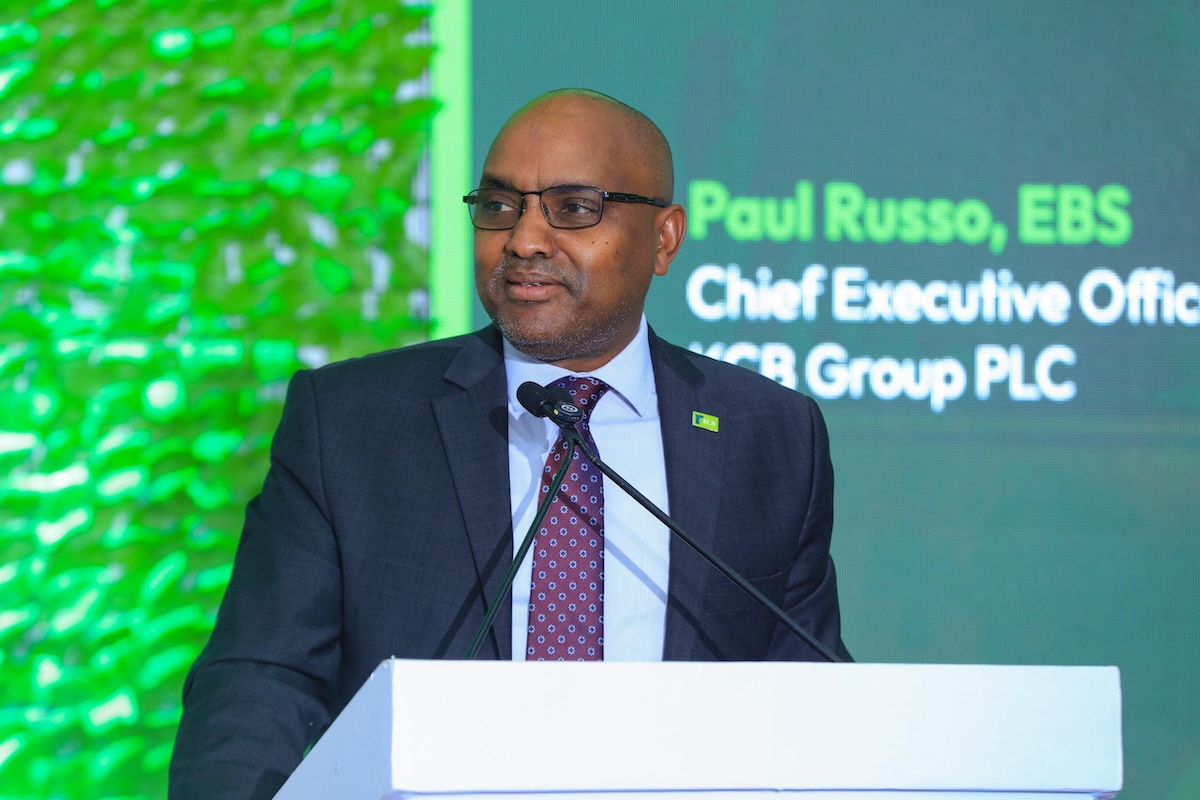
KCB Group CEO Paul Russo described the launch as building on work the Group has done over the past two decades around structuring financing solutions with real economic and social impact. “This is about bringing Capital, Purpose and Accountability and using finance as a force for good while creating sustainable value for all our stakeholders,” he said.
The framework itself is built around two components, Use of proceeds and sustainability-linked bonds, giving KCB flexibility in how it structures future bond issuances while maintaining credibility with investors. According to the bank, this dual approach reflects a longer term commitment to keeping sustainability central to its financial strategy.
Government officials weighed in on the launch as well. Cyrell Wagunda Odede, Principal Secretary at the State Department for Public Investments and Asset Management, commended KCB for the move, calling it a deliberate step toward deepening sustainable finance across East Africa. He said that as Kenya works to expand its capital markets and widen the pool of financing available for infrastructure, enterprise and climate action, instruments like sustainable bonds will be important for attracting capital and opening up new opportunities.
Betsy Njagi, Principal Secretary at the State Department for Blue Economy and Fisheries, also commented on the announcement, describing the framework as complementary to the government’s broader push to diversify how development financing is sourced in Kenya. She said partnerships with institutions like KCB will be critical as the country pushes forward on its climate and environmental agenda, particularly when it comes to directing capital toward projects that support environmental resilience and inclusive growth.
This latest move builds on a sustainability push that KCB has had underway since 2008, when the bank formally adopted sustainability as part of how it does business, structured around four pillars: financial, economic, social and environmental sustainability.
The numbers behind that push are notable. Since 2022, KCB has disbursed more than Ksh 187 billion in green loans. Last year alone, the Group put out Ksh 48.8 billion in green financing across its regional markets, funding projects in renewable energy, sustainable agriculture, green buildings, clean transportation, water management and other climate related investments.
For further information, contact Peter Mwaura Kimani.
Never miss a story 💜
Breaking news, real stories and money tips for Kenyan women, as they happen.

