
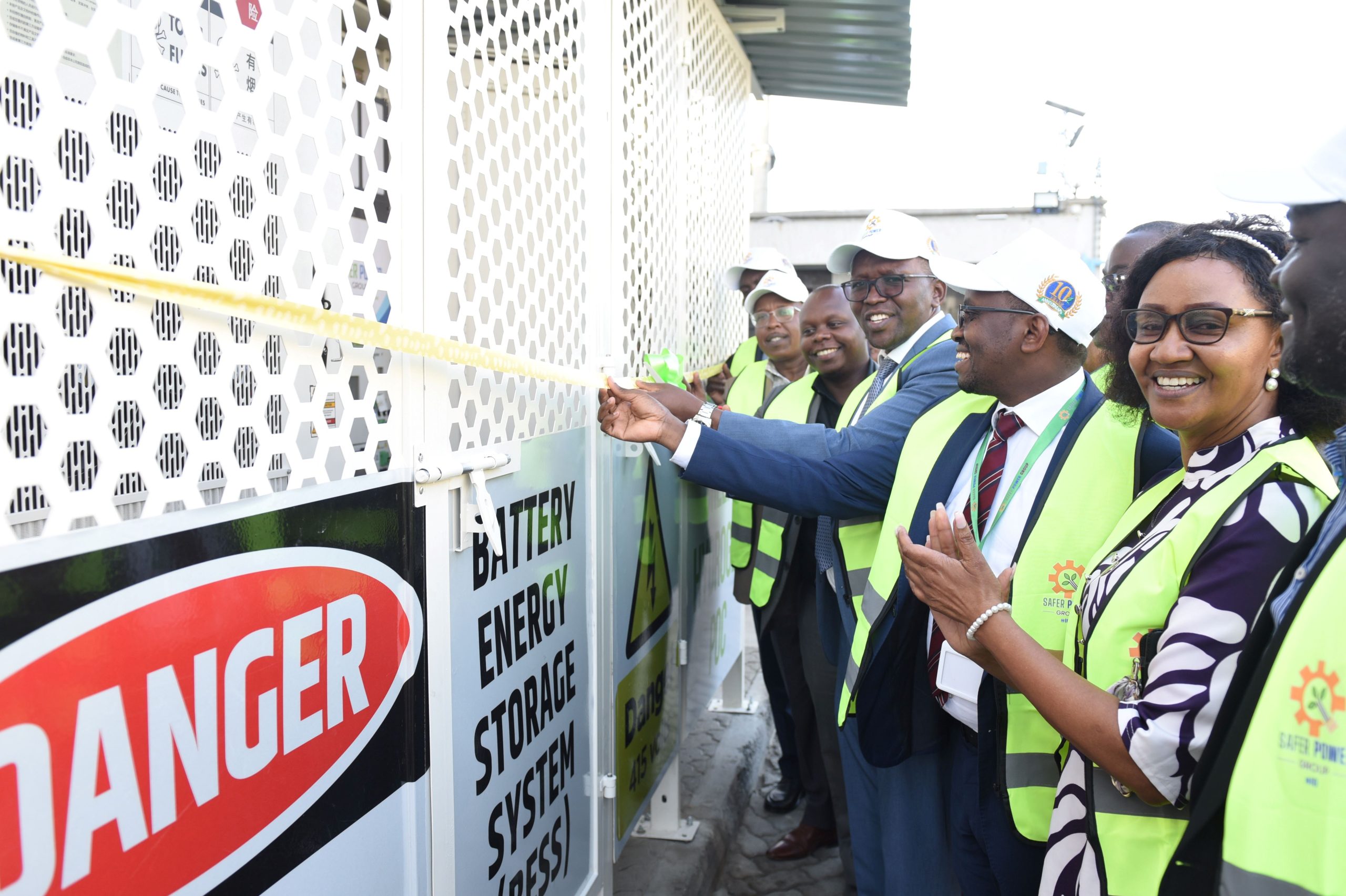
SBM Bank Kenya and Safer Power Group have struck a partnership that will put USD 17 million toward building a green energy manufacturing workshop and factory, a move aimed squarely at growing East Africa’s capacity to build its own clean power infrastructure rather than import it.
Safer Power, a licensed panel builder for Schneider Electric, will use the financing to ramp up local production of equipment that keeps power systems running, specialized switchboards, control panels, synchronization panels, distribution boards, meter boards, changeover systems and battery racks. It’s the unglamorous hardware that sits behind every functioning power grid, and right now much of it gets shipped in from abroad.
The timing lines up with a region that’s clearly moving in this direction already. East Africa’s renewable energy market hit USD 4.3 billion in 2025, according to market research firm IMARC Group, and that number is expected to keep climbing as industrialization across the region pushes demand higher. The International Renewable Energy Agency has gone further, estimating that shifting toward clean energy and building up local green technology manufacturing could lift regional GDP by as much as 6.4%, while creating thousands of specialized technical jobs along the way.
For SBM Bank Kenya, the deal reflects a broader shift in how the lender sees its role in the region’s energy transition. Edgar Mwandawiro, the bank’s Chief Risk Officer, framed the financing as more than a box-ticking sustainability exercise.
“Commercial enterprises face rising operational costs and escalating climate risks, access to targeted capital is no longer just an ESG obligation. It is a necessary catalyst to unlock industrial resilience and energy sovereignty for our economy,” he said.
Safer Power’s Chief Executive Officer Dalmus Mbai pointed to the practical barriers local manufacturers run into when trying to scale, barriers this kind of financing is designed to chip away at.
“Local green energy manufacturers across East Africa face significant financial hurdles, from high upfront capital investments for specialized equipment to severe credit gaps and heavy reliance on expensive foreign supply chains. By localizing engineering, assembly, and green hydrogen technology, we can drastically reduce import dependency, create high-value technical jobs, and lower energy transition costs for industries across the region,” Mbai said.
That dependency on foreign supply chains is a real cost, not just a logistical headache. Every panel or switchboard imported rather than built locally adds time, currency risk and expense to projects that are already capital intensive. Localizing that production, as Safer Power intends to do, has the potential to bring those costs down while keeping more of the value, and the jobs, within the region.
The partnership also fits into a wider pattern at SBM Bank Kenya. The bank’s net loan book crossed KSh 50 billion for the first time in 2026, growing 18.3% year-on-year to reach KSh 54.09 billion by the end of June. That growth traces back to a deliberate strategy shift over recent years, moving away from low-yielding government securities and putting more weight behind financing micro, small and medium enterprises and local businesses instead.
Put together, the deal signals something bigger than a single factory going up. It points to a bank and a manufacturer betting that East Africa’s clean energy future depends on the region being able to build the equipment it needs, not just buy it.
Never miss a story 💜
Breaking news, real stories and money tips for Kenyan women, as they happen.

