
M-KOPA has financed more than 10,000 electric motorbikes in Kenya, a milestone for its pay-as-you-go electric mobility business at a time when riders are increasingly turning to lower-cost alternatives to petrol-powered motorcycles.
The company is marking the moment by expanding its financing model to a new segment. Electric tuk-tuks are now part of the offering, opening up affordable asset financing to another major part of Kenya’s public and commercial transport sector.
The model itself is straightforward. M-KOPA lets riders and operators spread the cost of an electric vehicle over time, which lowers the upfront barrier to owning an asset that can generate income from day one.
The savings behind that model are significant. According to M-KOPA’s customer data, riders save an average of KSh 530 a day through lower energy and maintenance costs and access to battery-swapping infrastructure. Multiplied across more than 10,000 financed motorbikes, that works out to an estimated KSh 5.3 million in daily savings, or roughly KSh 1 billion a year, based on regular daily use.
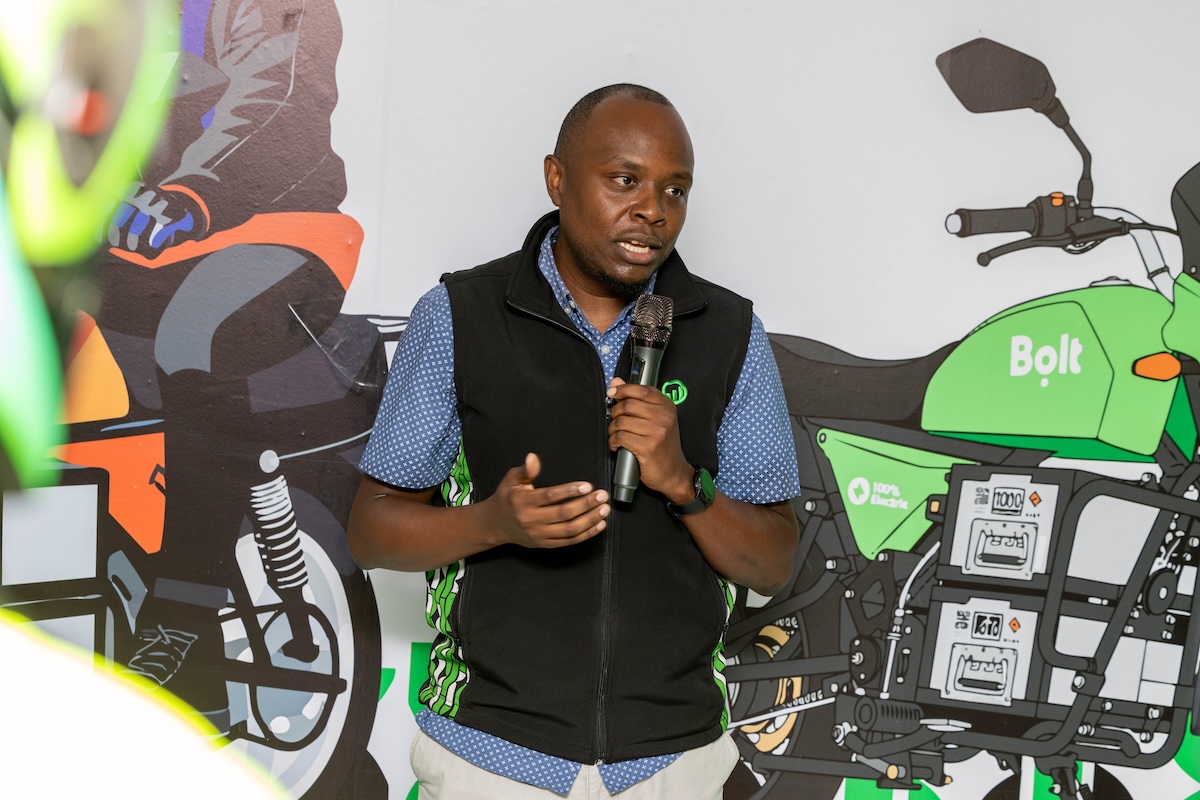
“Reaching 10,000 financed electric motorbikes reflects growing demand from riders looking to lower operating costs and improve their earnings,” said Brian Njao, General Manager, Mobility at M-KOPA. “We are now applying the same financing approach to electric tuk-tuks, helping operators access cleaner, lower-cost vehicles without the burden of a large upfront payment.”
The timing matters. Tuk-tuks remain a major part of Kenya’s grassroots economy, and the Kenya Tuk Tuk Operators Network estimates the sector includes more than 250,000 registered tuk-tuks, 750,000 active drivers and 250,000 owners and investors. For many operators in that sector, the biggest obstacle to acquiring or upgrading a vehicle has always been access to affordable finance. Electric tuk-tuks are emerging as a way around that, offering lower running costs alongside cleaner, more digitally enabled mobility built for Kenyan roads.
The expansion also lands soon after Kenya’s National Electric Mobility Policy came into effect, giving the sector a framework for investment, innovation and private-sector participation. The policy carries real incentives too, including zero-rated VAT on electric buses, bicycles, motorcycles and lithium-ion batteries, along with zero excise duty on electric bicycles, motorcycles and lithium-ion batteries.
On the supply side, M-KOPA finances electric motorcycles from manufacturers including Ampersand, Roam and Spiro, and has partnered with Bolt to widen access through financing and rider incentives. Customers also get M-KOPA Cares, a package that includes flexible repayments, insurance, GPS tracking, security features and warranty protection.
For M-KOPA, the 10,000 mark is less a finish line than a proof point. It shows that pay-as-you-go financing can shift the economics of transport for riders, cutting daily costs while building an asset they own outright. Applying that same approach to tuk-tuks extends the model to a segment with a much bigger footprint, and one with more first-time formal financing options.
Looking ahead, the company says the next phase of its mobility strategy will focus on expanding customer access, deepening partnerships and scaling financing across Kenya’s growing electric transport ecosystem. With policy incentives now in place and a track record of savings to point to, M-KOPA’s tuk-tuk expansion looks less like a side bet and more like the next stage of the same story.
Never miss a story 💜
Breaking news, real stories and money tips for Kenyan women, as they happen.

