
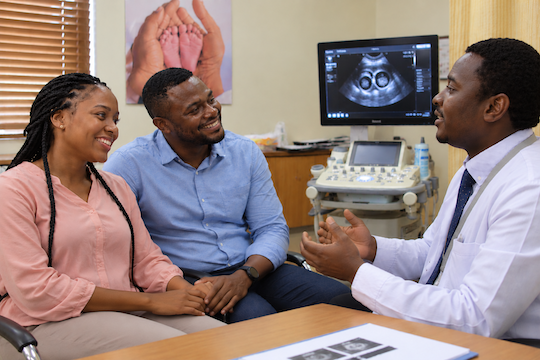
Aga Khan University Hospital, Nairobi has opened a new one-stop Fertility Centre at its Peponi Specialty and Executive Clinic in Westlands, widening access to advanced fertility care for patients in Nairobi and the wider region.
A multi-disciplinary team of fertility specialists runs the centre. It is open to people weighing treatment options for a first or later delayed conception, as well as those who want to preserve their fertility for the future. Services include assessments for both male and female partners, along with treatments such as ovulation induction, intrauterine insemination (IUI), in vitro fertilisation (IVF) and intracytoplasmic sperm injection (ICSI).
Dr Elkanah Omenge, Chair of the hospital’s Department of Obstetrics and Gynaecology, said fertility challenges can weigh heavily on individuals and families. Couples, he said, deserve expert care, accurate information and a range of treatment options in a supportive healthcare setting.
The need is considerable. The World Health Organization estimates that about one in six people of reproductive age experience infertility at some point in their lives. That figure includes people trying for a first or later conception who have not succeeded after more than 12 months of regular intercourse.
Dr Charles Muteshi, Section Head of Fertility Services at the hospital, explained why the centre assesses both partners. Difficulty conceiving can stem from either side, he said. In women, the causes can include age, ovulation problems, blocked fallopian tubes, fibroids, endometriosis and polycystic ovary syndrome. Untreated reproductive infections, some cancer treatments and certain surgeries can also affect fertility. Looking at both partners, he said, helps the team pinpoint causes and recommend suitable treatment.
That approach matters because male factors account for roughly 40% to 50% of infertility cases worldwide. They include low sperm count, poor sperm movement or function, hormonal disorders and blockages in the reproductive tract. In some cases, no cause is found at all.
Dr Omenge said the centre aims to deliver advanced, evidence-based treatment through an ethical, patient-centred approach built on safety, informed consent and confidentiality. That means helping patients understand the likely benefits, risks and limits of treatment; setting realistic expectations; and respecting each person’s dignity, values and choices.
The launch reflects the hospital’s wider push to bring specialized care within reach of more people while holding to high standards of quality, safety and ethical practice across the region.
Never miss a story 💜
Breaking news, real stories and money tips for Kenyan women, as they happen.

