
Nearly one in every two cigarettes smoked in Kenya today is illicit. A recent Kantar study found that illicit cigarettes made up 45.1% of the country’s cigarette market in 2025, up from 34.1% in 2021. That is not a small leak. It is a parallel market, and it is growing.
The cost shows up everywhere. The same study estimates that the trade cost the government KSh10.2 billion in excise duty and VAT in 2025 alone, and KSh47 billion between 2021 and 2025. Then there is the cost no study can fully count: the health of people consuming products nobody has checked, and the honest shopkeeper who keeps losing customers to whoever sells cheapest.
Alcohol tells an even darker story. Many Kenyans still remember the “hata mkizima taa bado tutakunywa” story, and the many sad incidents linked to illicit alcohol since. Figures presented to Parliament by the Anti-Counterfeit Authority (ACA) show that illicit alcohol makes up about 59% of the alcohol consumed in Kenya by volume, with an estimated economic cost of KSh71 billion in 2022.
Here is the uncomfortable truth. Raiding a shop and loading cartons onto a lorry makes for good photos, but it does not end the trade. Somebody manufactured those goods. Somebody imported or smuggled them across a border. Somebody stored them, moved them and handed them to a retailer. And somebody paid for every single step. Until enforcement goes after the manufacturers, importers, smugglers, distributors and the people financing them, the shelves will simply be restocked next week. Seizing cigarettes is not enough. Kenya must go after the supply networks bringing them into the market.
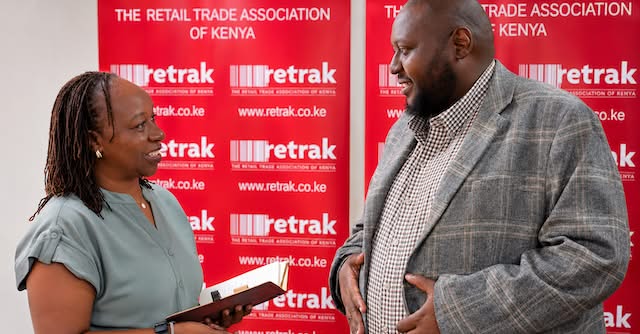
That is exactly the message from the Retail Trade Association of Kenya (RETRAK). The association wants the Kenya Revenue Authority, the ACA, the Kenya Bureau of Standards and the National Police Service to agree on a joint enforcement plan, name a lead institution and publish timelines for reporting progress.
“Seizing illicit products from a shop is only the beginning. Investigators must establish who supplied the goods, where they were stored, who transported them and who financed the consignment. Following that trail is how we disrupt the networks and prevent the next delivery,” said RETRAK Chief Executive Officer Wambui Mbarire.
For retailers, this is also about fairness. Shops that follow the rules carry the cost of licences, records and taxes, only to be undercut by operators supplied by smugglers and counterfeiters. “We cannot continue punishing businesses that comply with the law while those trading in illicit goods enjoy an unfair advantage,” RETRAK warns.
The association is asking for practical tools that let traders check excise stamps and authentication marks, clear guidance on handling suspicious deliveries, and safe channels for shop staff and the public to report suspected illicit products. It also wants agencies to make their results public, from progress in tracing major suppliers to prosecutions and recovered taxes.
Retailers, RETRAK says, must play their part too, by verifying suppliers, keeping invoices and turning away goods whose origins cannot be confirmed.
As Mbarire put it, “This is more than lost revenue or unfair competition. Counterfeit alcohol can threaten lives, and fake vehicle parts can cause serious harm. Tackling illicit trade protects consumers, legitimate businesses, jobs and public finances.”
Never miss a story 💜
Breaking news, real stories and money tips for Kenyan women, as they happen.

