
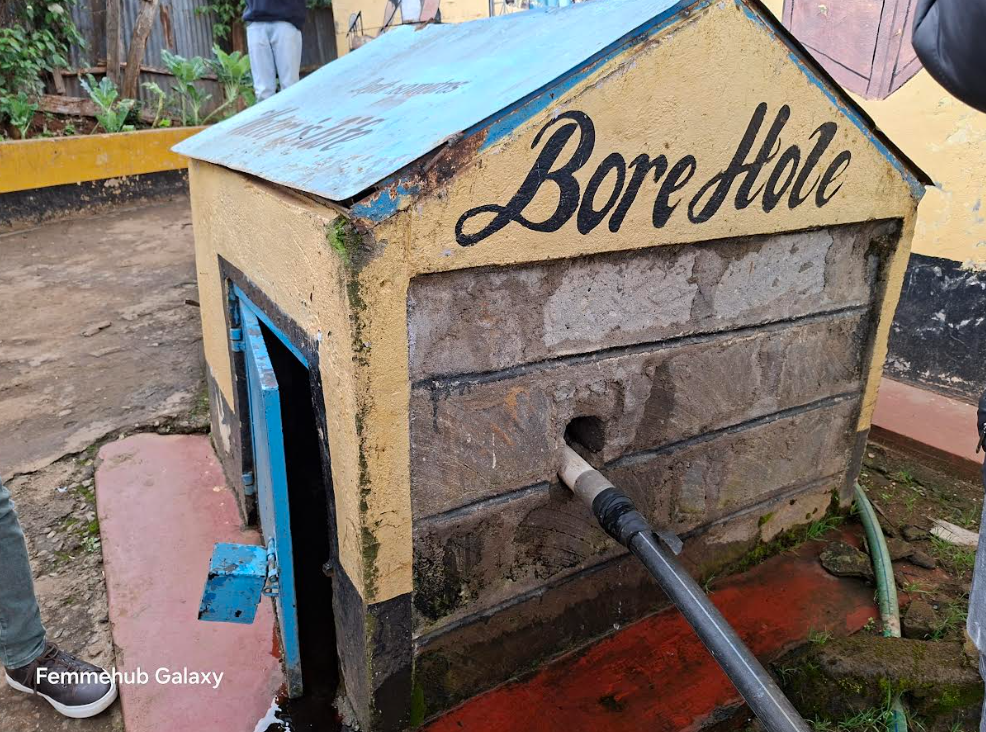
Last week, my colleagues and I visited Ndima Kanini Academy in Karatina, to witness what clean energy can mean to a learning institution that runs on huge amounts of water and electricity. From a point of spending a cumulative amount of around Ksh.120,000’/- monthly on water and electricity, the school is now running 100% of borehole pumping on solar and in a few day’s time, lighting will also be fully on solar.
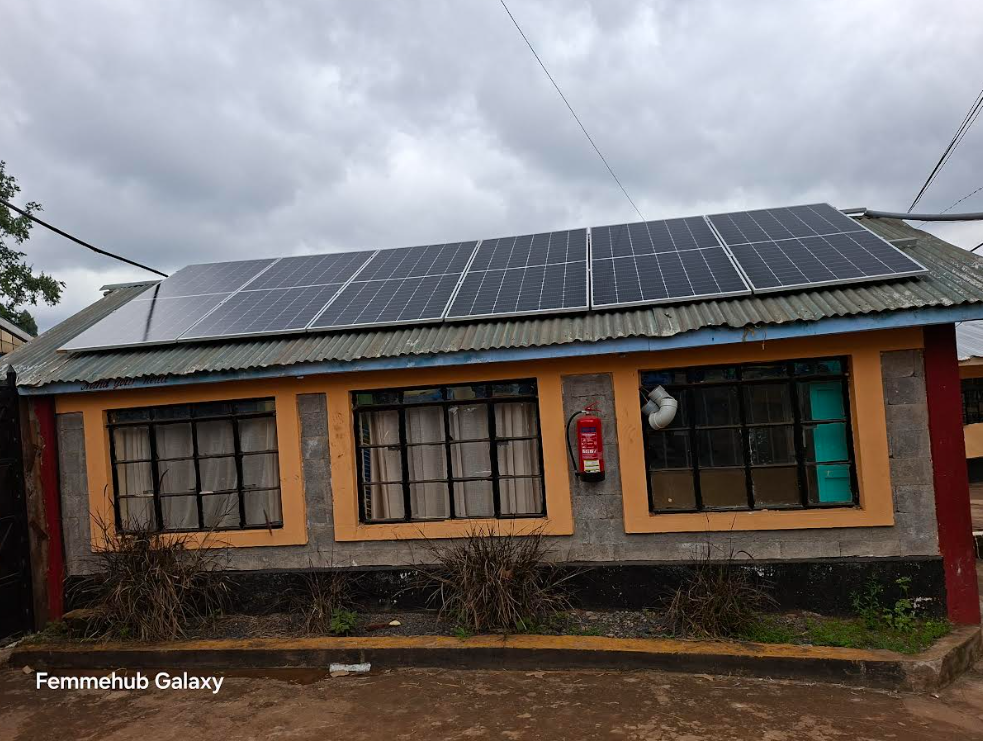
This is thanks to 15 solar panels for water pumping and 56 for lighting, in a Clean Energy Schools Project that is fully financed by KCB Bank under a green loan facility for learning institutions. Other than empowering schools to save costs, the facility also works right in line with the bank’s agenda for sustainability and keeping in step with SDGs.
Through its Clean Energy Schools Project initiative, the bank supported the school with a loan of Ksh 4.1 million, on a single digit interest of 9.7%. In a process that management described as seamless and transparent, they were able to take the money and put it to work in just a short time, with the whole process having started just a few months ago in May. The shift to solar power has already changed daily life for the students, staff and management at Ndima Kanini Academy. The school pays the loan termly, a structure that fits how schools collect fees.
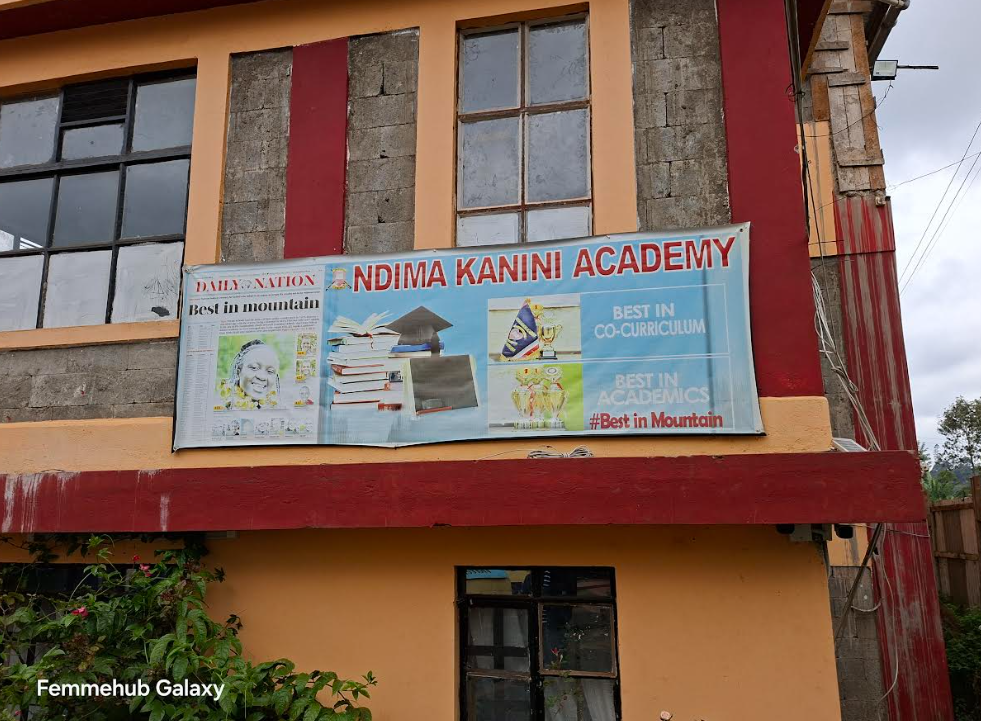
Ndima Kanini Academy came to life in 2003 with only three learners and in a sign of remarkable growth, today it has 1,349 students, 700 of them being boarders. It also employs 52 teachers and 60 support staff, some of whom are on casual basis.
The growth came with high demand for reliable water and electricity and until recently, these essentials were a constant struggle. For instance, the school uses around 1,000 liters of water every day for cooking, cleaning, laundry and drinking, which previously came from the local water authority. They also run a farm which demands more water, which came from a project by local leaders. Pumping water previously cost Ksh.50,000/-and electricity upto Ksh.70,000/- with no assurance of constant supply.
Today, the difference is clear. With water pumping purely on solar and solar lighting to be completed in days, the school is saving thousands monthly. For the students, especially the 700 boarders, that means no more nights in the dark due to power interruptions. For teachers, that means well rested students and consistency in learning.
This is exactly the kind of impact that KCB Bank’s Clean Energy Schools Project is designed to support. Ndima Kanini Academy has gone the solar route, but the bank also offers biogas and LPG, and have done so in other surrounding schools. Loan repayments can be done monthly or termly depending on client preferences and other methodologies by the bank. This flexibility makes the facility realistic for learning institutions.
Ndima Kanini Academy is a clear testimony that positive change is not always far fetched. The school has secured its future and staff, learners, parents and the community as a whole can now experience the direct impact of sustainability in daily life.
KCB Bank’s sustainability facility dubbed Clean Energy Schools Project is targeting over 90% of Kenyan schools that still rely on firewood for cooking. This heavy dependence on biomass results in deforestation, increased health hazards from smoke exposure, and higher costs of cooking since firewood takes time.
If you are part of a school or learning institution, here is your cue to visit your nearest KCB Bank branch as a financial partner towards saving money, running smoothly, and embracing sustainability.
Never miss a story 💜
Breaking news, real stories and money tips for Kenyan women, as they happen.

