
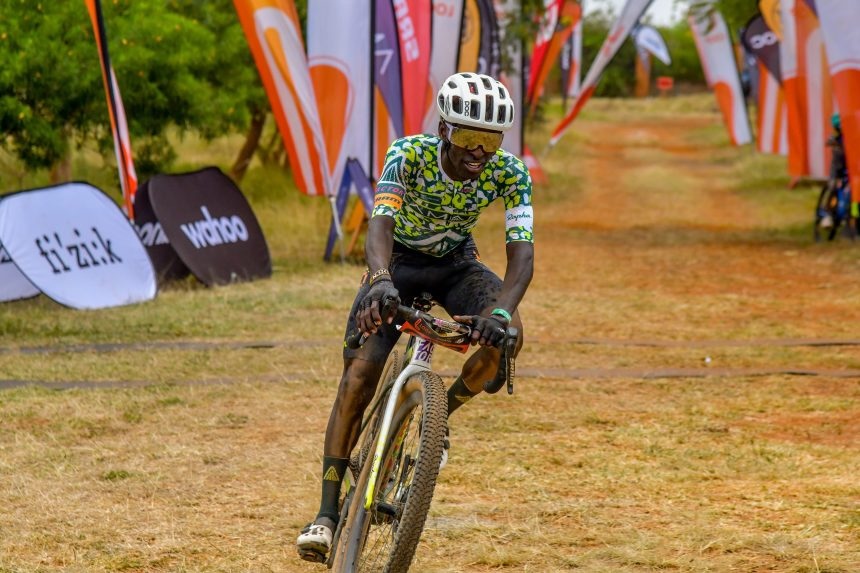
The LOOP Safari Gravel Series returns with four races, new routes, and expanded participation across Kenya in 2026.
Gravel cycling in Kenya is gaining traction with impressive momentum. For riders who prefer roads that shift from smooth pavement to rough tracks, gravel racing blends challenge and camaraderie in equal measure. This spring and summer, the LOOP Safari Gravel Series returns for its third season, offering four competitive legs in striking Kenyan landscapes. If you follow cycling or you’re curious about unique events beyond the usual marathons and road tours, this series is worth paying attention to. The focus is clear: give riders more voice, broaden access to competition, and bring gravel racing closer to the Kenyan public. Your interest in events like this matters as they shape how cycling evolves locally and regionally.
A Fresh Start for the Series
The series opens on March 7, 2026, in Limuru, a new venue for the competition and a test of fresh terrain. Riders will encounter rolling hills and paths that cut through tea plantations and countryside. Limuru represents a departure from previous locations and a new challenge for athletes who’ve signed up. Over 700 cyclists are expected across categories, with up to KES 125,000 on the line for the top team prize. The change in venue reflects the organisers’ goal to keep the competition interesting and compelling for participants across different performance levels.
Four Events, One Rider-Chosen Finale
Following Limuru, the series heads to Naivasha on June 13, where one leg qualifies for the UCI Gravel World Series. This gives regional riders an opportunity to earn international ranking points in a globally recognised gravel event. Naivasha’s race runs through Hell’s Gate National Park, a location known for wildlife and dramatic scenery that has drawn competitors from around the world. After that, the third race is planned for Vipingo on August 28, and the series wraps up with a riders’ choice event on October 24. This final leg gives athletes a say in where the series ends, a new twist that shifts some control from organisers to the cycling community.
The series also includes monthly rides and meet-ups with local cycling clubs. These are aimed at sharing practical tips and making training and participation more accessible to recreational cyclists. For many riders this adds value beyond the race weekends, giving chances to learn and build confidence with experienced talent on hand.
Changes in Distances and Participation Options
Organisers have adjusted race distances in 2026. The elite category at Limuru will now cover 100 km, down from 120 km in previous seasons. Riders targeting more relaxed competition will find a 50 km recreational option, reduced from 60 km. The 20 km amateur race stays the same, creating a clear entry point for first-time racers. These changes aim to broaden participation without diluting the competitive nature of the event. Every leg will also include a short 5 km children’s race, which sits alongside efforts to bring more young people into cycling events and build interest from a young age.
Performance and Prospects
Across the 2024 and 2025 seasons, performances by stars like Uganda’s Jordan Schleck and Mary Aleper have stood out. Schleck, in particular, has a record of consistent results and emerged as overall winner in the first two seasons. He and other top competitors are expected back in Limuru in March. While titles are still up for grabs, these results signal developing rivalries and the emergence of gravel racing figures that fans and new riders can follow.
Shifts in Focus and Broader Goals
Cycling advocates say the series has exceeded its initial scope. Eric Muriuki, CEO of LOOP DFS, pointed out that the event now embraces not just elite competition but growing participation among recreational riders and local communities. That contributes to both sporting outcomes and local engagement. The Amani Project, one of the key organisers, welcomes the shift to Limuru for the opener, saying it refreshes the experience and gives riders a chance to test themselves on a different terrain.
Kenya’s gravel scene mirrors wider growth in the discipline globally, where events range from local races to UCI-listed qualifiers and international series. As participation rises, so does interest from clubs, sponsors, and international riders looking to contest races on varied terrain. For you, whether you ride seriously or follow cycling casually, this season’s LOOP Safari Gravel Series offers plenty of action and reasons to pay attention. It connects local landscapes and communities with a sport that is expanding fast, driven by competitors and organisers alike.
If you want to register or find out more details about dates and categories, the official series website has the latest information on entries and race guides ahead of the first event in Limuru.(safariraceseries.com)
Never miss a story 💜
Breaking news, real stories and money tips for Kenyan women, as they happen.

