
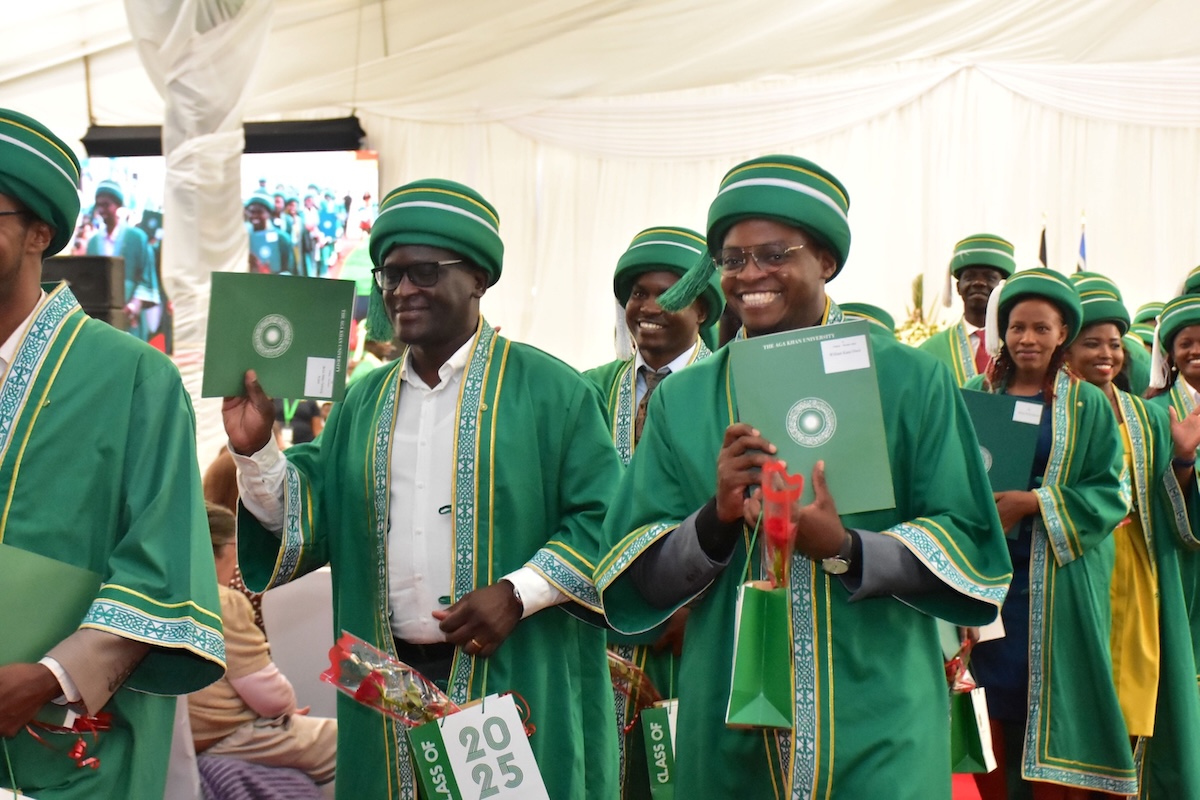
Aga Khan Surgery Residency becomes Kenya’s first programme accredited by ACGME-I, advancing global standards in surgical training.
The Aga Khan University Surgery Residency Programme has reached a milestone for medical education in Kenya and the wider East African region. The programme has received accreditation from the Accreditation Council for Graduate Medical Education International (ACGME-I), making it the first surgical training programme in Kenya to receive this recognition.
For patients and doctors alike, this accreditation carries practical meaning. It signals that surgeons trained under the programme follow international standards for supervision, patient safety, case tracking and continuous assessment. These standards shape how residents train, how hospitals monitor procedures and how institutions evaluate outcomes.
At a time when Kenya faces a clear shortage of specialist surgeons, the development also highlights the urgent need to strengthen medical training across the region.
Kenya’s shortage of surgeons
The Aga Khan University Surgery Residency Programme operates within a healthcare system that faces a growing gap between demand for surgical care and the number of specialists available.
Data from the Kenya Medical Practitioners and Dentists Council shows that Kenya had 581 licensed surgeons serving roughly 50 million people as of 2021. That ratio translates to about one surgeon for every 100,000 residents.
Global health benchmarks present a different picture. The Lancet Commission on Global Surgery and the World Health Organization recommend at least 20 specialist surgical providers per 100,000 people.
The gap creates daily pressure inside hospitals. Patients often wait longer for procedures. Referral chains stretch across counties as facilities search for available specialists. Emergency trauma care, cancer surgery and complicated childbirth frequently expose the limits of the system.
The shortage becomes even more visible outside major cities.
A 2018 assessment of Level 4 hospitals, which act as primary referral facilities for many rural counties, identified only 106 general surgeons working across those facilities nationwide.
For many patients, that shortage translates into delayed operations and overcrowded referral hospitals in major towns.
Aga Khan Surgery Residency earns global accreditation for surgical training in Kenya – What the accreditation means for training
The Aga Khan University Surgery Residency Programme now operates under internationally recognised postgraduate medical training standards.
ACGME-I accreditation requires structured clinical supervision, detailed monitoring of surgical cases and clear training milestones. Residents must meet defined learning outcomes while working under experienced surgeons who review their performance regularly.
Hospitals participating in accredited programmes also maintain patient safety systems that track outcomes and support quality improvement.
Professor Lukoye Atwoli, Dean of the Medical College in East Africa, said the accreditation reflects years of work to strengthen the institution’s medical training.
“AKU remains committed to delivering world-class medical education. With this accreditation, all our Master of Medicine Residency programmes are now accredited with the ACGME-I, a testament to the quality of our programmes and the pedigree of our faculty, staff, and students,” he said.
The programme has already graduated 39 surgeons. Nineteen residents currently train within the system, with plans to increase the number of trainees in the coming years.
Why local training matters
Training surgeons within the region produces measurable results. Studies across East and Central Africa show that between 85 percent and 93 percent of specialist surgical graduates remain within their home countries or neighbouring states.
That pattern helps health systems retain skilled professionals. Many countries struggle when doctors train abroad and choose not to return.
Regional training programmes address that challenge by building expertise locally.
Dr Abdulkarim Abdallah, Chair of Surgery at Aga Khan University, said the accreditation strengthens that approach.
“This accreditation underscores our commitment to developing highly skilled, globally competitive surgeons who can meet the evolving needs of our region,” he said.
A regional training hub taking shape
The Aga Khan University Surgery Residency Programme also signals a broader shift in medical education across East Africa. Institutions in the region increasingly build training programmes that match international benchmarks while remaining rooted in local health systems.
Aga Khan University operates campuses and partnerships across several East African countries. The accreditation places the institution among a small group of medical schools delivering globally benchmarked surgical education within Africa.
For Kenya, the recognition arrives at a time when health systems need more specialists, better training pathways and stronger oversight of surgical practice.
Improving surgical training alone will not solve the surgeon shortage overnight. Yet it remains a necessary step if the country hopes to expand access to safe procedures in the years ahead.
Patients across Kenya and the wider region ultimately feel the impact of those changes each time they enter an operating theatre.
Never miss a story 💜
Breaking news, real stories and money tips for Kenyan women, as they happen.

