
Safaricom Purpose Beyond Profit agenda highlights education, healthcare, sustainability and community programmes reaching millions across Kenya.
Safaricom’s financial results this year came with the kind of numbers investors usually focus on first. The company crossed KSh414 billion in revenue and reported net income of nearly KSh100 billion for FY26, making it one of the most profitable businesses in East Africa. But buried within the investor presentation and sustainability reporting was another story that cannot escape notice.
The company is increasingly positioning social impact, climate action and community investment as part of its long-term business model rather than side programme.
Safaricom’s approach now stretches across education, healthcare, renewable energy, digital inclusion and waste management, all tied closely to the company’s broader expansion strategy in Kenya and Ethiopia.
According to Safaricom, its Safaricom and M-PESA Foundations directly impacted 4.4 million lives during FY26 through various community programmes focused on healthcare, education and economic inclusion.
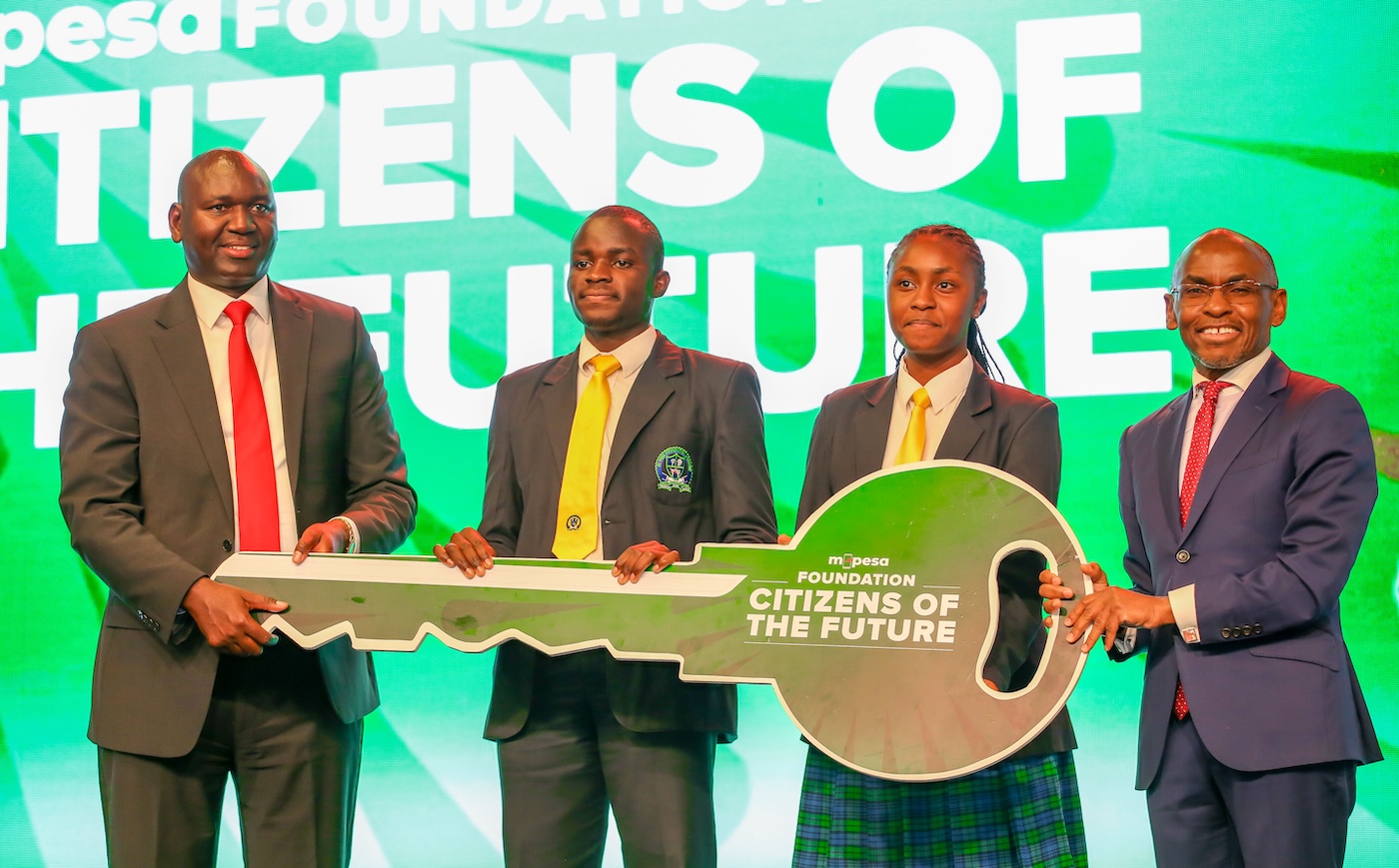
One of the company’s biggest focus areas continues to be education through its Citizens of the Future initiative which has already reached more than 3 million learners, and now targets 6 million beneficiaries across 500 schools within the next five years.
Safaricom Purpose Beyond Profit pillars
Kenya’s education conversations are increasingly going beyond books and classrooms to digital readiness and internet connectivity. Many schools still struggle with limited infrastructure, inconsistent or even non existent internet connectivity and shortages in digital learning resources despite growing demand for technology based education.
Healthcare remains another major pillar of Safaricom’s social investment strategy.
The company reported reaching 72,883 people through free medical camps during FY26, with its Uzazi Salama maternal healthcare programme supporting 8,063 mothers and children during the same period.
For many rural and underserved communities, mobile medical camps fill a very large gap in access to healthcare, especially in maternal care, screening services and further specialist treatment.
Corporate backed healthcare interventions such as Safaricom’s and M-PESA Foundations have increasingly become part of Kenya’s wider public health scenario, especially in areas where county health systems continue facing budget and staffing challenges. Safaricom’s Foundation programmes have steadily expanded within that space over the years, especially around maternal healthcare, medical equipment donations and community outreach.
Safaricom’s sustainability reporting also reflects how environmental performance is becoming tied more directly to the company’s strategy. 35.7% of its network is now powered by green energy, supported by more than 2,000 solar-powered sites across its operations.
At the same time, Safaricom reported planting 3 million trees while maintaining a 94 percent waste recycling rate. The company also recycled 352 tonnes of network waste during the Financial Year 2026. As demand for connectivity rises, telecom operators like Safaricom are increasingly under pressure to reduce emissions while still increasing coverage and data consumption.
Safaricom’s environmental reporting received further attention after the company secured a Carbon Disclosure Project (CDP) “A” rating for the second consecutive year, one of the highest international sustainability ratings issued for corporate climate transparency.
Purpose Is Becoming Part Of Corporate Competition
Safaricom’s sustainability push also reflects a wider change happening across African corporates. Businesses are increasingly competing not only on product offerings, pricing and market share, but also on how they respond to social and environmental responsibilities.
That call is coming from multiple directions. Investors increasingly track ESG performance, younger consumers pay closer attention to corporate behaviour and governments and sustainability bodies continue introducing tighter reporting standards around sustainability and climate accountability.
Safaricom still faces the same commercial realities as any major telecom operator, including competition, regulatory pressure, infrastructure costs and increasing demands for digital security. But the company’s FY26 report suggests that it sees long term expecttions for growth and is right on track.
The challenge now will be maintaining measurable impact while balancing shareholder expectations, regional expansion and rising infrastructure demands. For Safaricom, the next phase of growth appears tied as much to social infrastructure as digital infrastructure.
Never miss a story 💜
Breaking news, real stories and money tips for Kenyan women, as they happen.

