
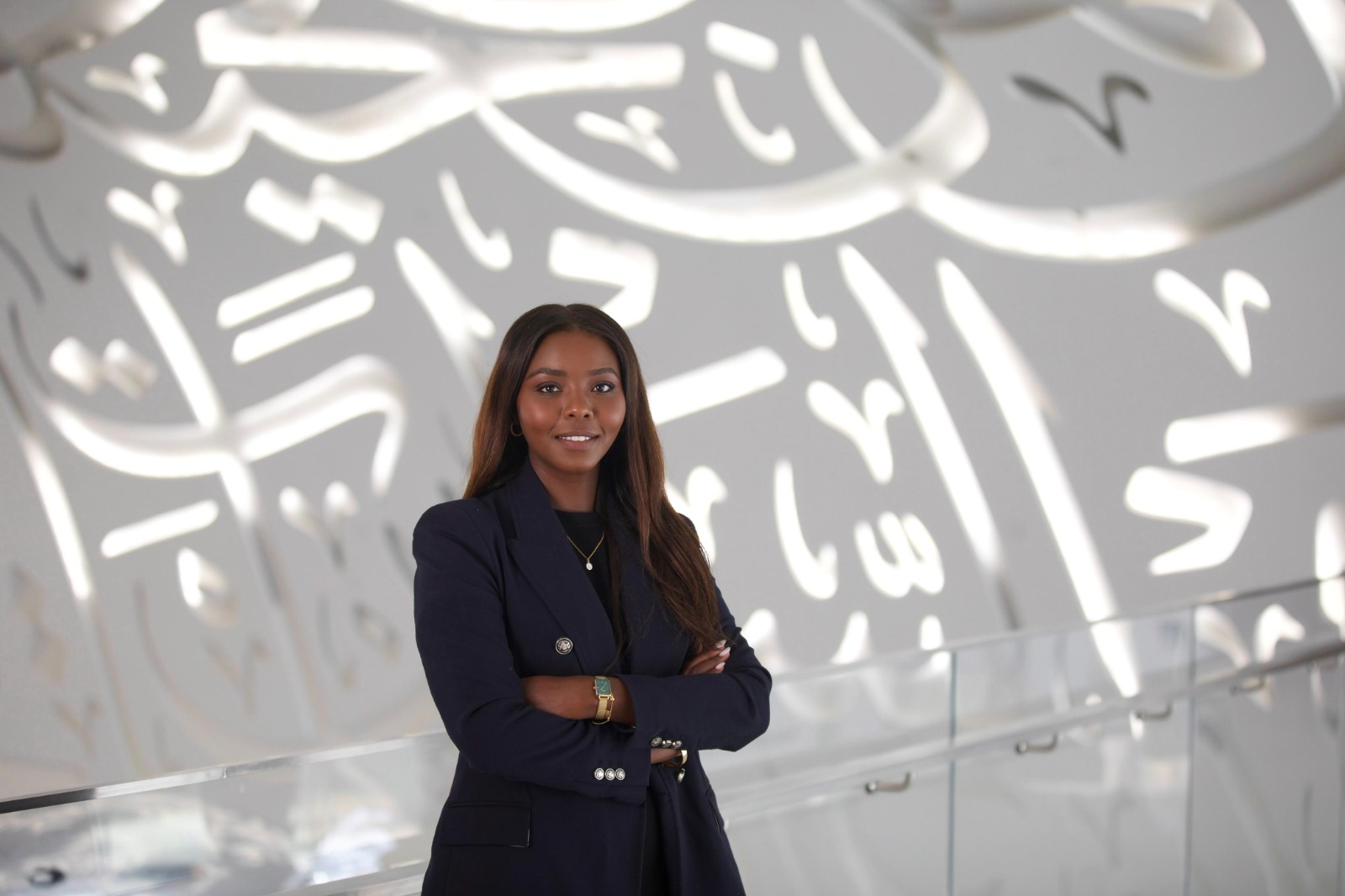
Museum of the Future Dubai shaped Elizabeth Wambui’s Dubai career while inspiring her vision for Kenya’s future generations.
The Dubai Department of Economy & Tourism was recently in Nairobi for a roadshow aimed at strengthening travel ties between Kenya and Dubai while showcasing new experiences for Kenyan travellers.
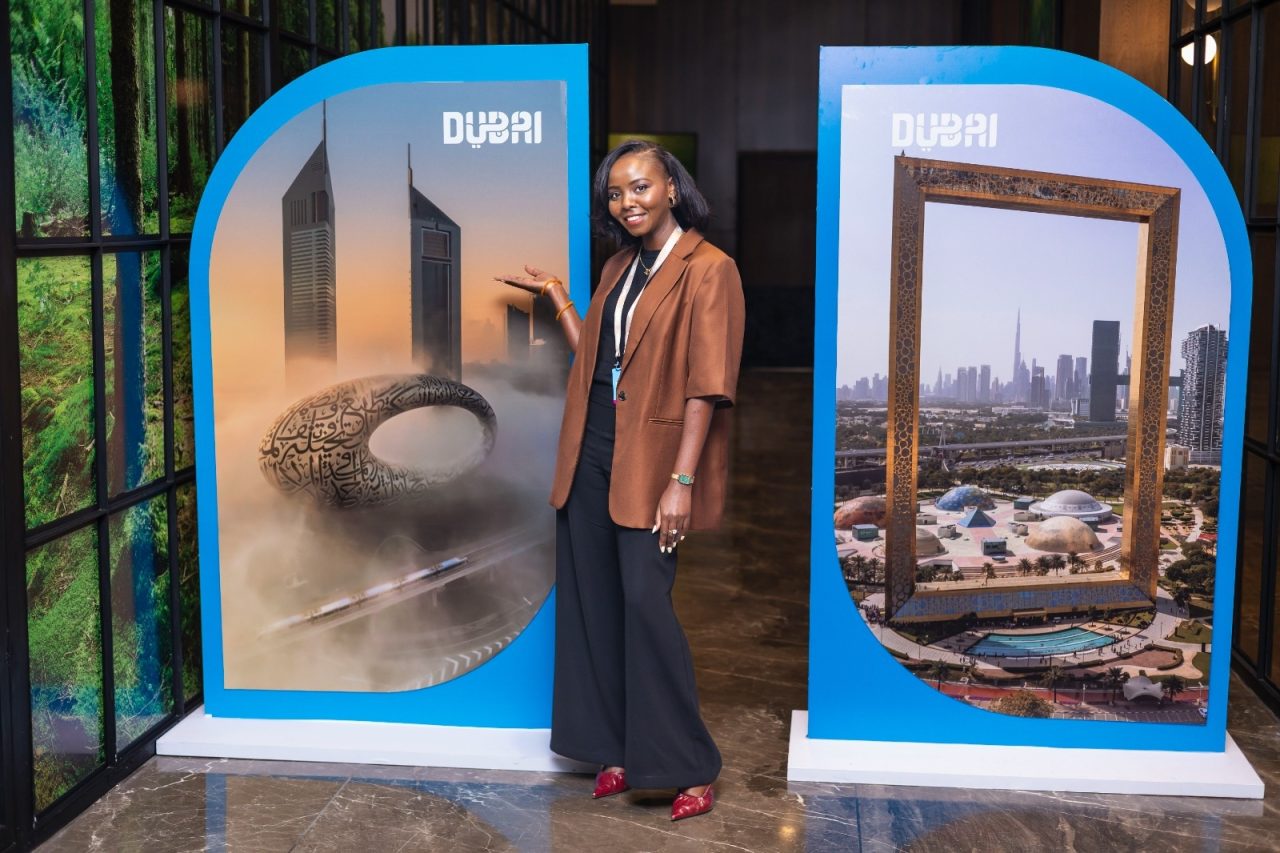
During the event, we sat down with Elizabeth Wambui, a Kenyan who has built a career in Dubai and now serves as a Senior Events Operations Executive at the Museum of the Future. She spoke about her decade-long career journey, the opportunities she believes exist for Kenyans in Dubai, and the places she thinks every first-time visitor should experience.
Your journey from Kenya to becoming a Senior Manager at the Museum of the Future is inspiring. What are some of the highlights?
It’s crazy when I think about it. This year marks my 10th anniversary in Dubai.
I left Kenya planning to stay for only two years before coming back. Instead, I fell in love with Dubai and stayed much longer than I expected. I eventually joined the Museum of the Future where I started in Guest Relations and have worked my way up into senior management in the events team. It has been an incredible journey, and one that continues to inspire me every day.
Do you see opportunities for talented Kenyans in Dubai today? What advice would you give someone hoping to follow a similar path?
Absolutely.
I always say, if you don’t try, you’ll never know. I left Kenya on a three-month visit visa and told myself I would give it my best. One thing I have learned is that you have to be intentional and ambitious. You have to push yourself outside your comfort zone. As Kenyans, we’re often brought up to stay humble and not talk too much about our achievements. Then you step into the global workplace and people expect you to speak about what you can do. That was something I had to learn.
My advice is to do your homework. Know what you want. Make a list of the companies where you would like to work and picture yourself there.
Read also – Dubai Contactless Check-in Enhances Guest Convenience Across Hotels Citywide
For someone who has never visited the Museum of the Future, how would you describe it? What makes it such an attraction?
The Museum of the Future is exactly what the name suggests. It focuses on innovation, creativity and the future. Inside the museum, we always talk about 50 years from 2022, so we’re essentially living in the furure. Sometimes I even call myself a futurist because that’s what I’ve been learning and seeing every day.
The building itself is iconic. It has no pillars, and its shape resembles an eye. At the centre is an empty space that we call the void, representing the unknown future. Every element has meaning. Anyone visiting Dubai should make time for the Museum of the Future to see the ideas and innovations shaping tomorrow.
Working in an institution dedicated to imagining the future, what trends excite you most? What lessons do you think Kenya can learn from Dubai?
One experience has really stayed with me.
Recently, I attended an event at the museum involving children aged between 12 and 17 and they were already working on ideas and solutions for future challenges. I spent time with the organisers asking how they expose children to this kind of thinking so early in life.
Coming from Kenya, I feel one thing we can improve is giving children knowledge and exposure earlier. We should teach financial literacy from a young age and allow children to discover themselves. When a child says they want to become a teacher, don’t discourage them. Let them explore it because you never know where they’ll excel.
I’d love to see programmes where children experience professions while they’re still young. If someone says they want to become a hotel manager, let them spend time in that environment and understand what the job involves. Afterwards, ask them if they still see themselves doing it. That kind of exposure would help many young people find careers that genuinely suit them instead of having other people make those decisions.
From your experience living in Dubai, how has the city changed into a place where people build careers instead of simply visiting?
Ten years is a long time, and I’ve seen a lot of change.
When I first arrived, Dubai felt much more closed. Development was still taking place. Today it has become a hub that welcomes people from everywhere. It’s very tolerant of different cultures, religions and nationalities.
Even during Ramadan you can see the difference. Years ago, many places closed during meal times. Today, things are much more open, provided people respect local customs. Dubai has also introduced many initiatives to support people moving to the city or simply passing through.
One of my favourite things is how international it is. There are more than 200 nationalities living there. One day you can decide you want Vietnamese food and you’ll find it. Another day you want nyama choma and you’ll find that too. You meet people from countries you’ve never visited. Someone introduces themselves and you realise you’ve just met your first person from Fiji. That’s what makes Dubai such an incredible city.
If a Kenyan was visiting Dubai for the first time and only had four days, which places would you recommend?
The Museum of the Future would definitely be on my list, but I wouldn’t start there.
On the first day, I’d begin at Al Fahidi Historical Neighbourhood and the Al Shindagha Museum. That’s where you understand old Dubai and how the city grew from pearl fishing and a small settlement into what it is today. After that, I’d head to the Museum of the Future. You’ve seen Dubai’s past, and now you can see the ideas shaping its future. For sunset, I’d visit the Dubai Frame. From one side you see old Dubai. From the other, you see the modern skyline, including the Museum of the Future. The contrast is incredible.
On the second day, I’d visit the Burj Khalifa and have breakfast at Atmosphere before exploring the tower itself. After lunch at Dubai Mall, I’d spend the afternoon either shopping or heading into the desert for a safari.
The third day would be about experiencing the city like a resident. I’d take the Metro, visit Palm Jumeirah, explore the restaurants and attractions there, and spend time at Atlantis, including the water park if time allows.
On the fourth day, I’d slow things down with a visit to the Gold Souk. It’s a great place to buy souvenirs, perfumes and abayas before heading home.
And of course, I’d tell every Kenyan visiting to look us up so we can show them around.
Never miss a story 💜
Breaking news, real stories and money tips for Kenyan women, as they happen.

