
TikTok AI literacy initiatives introduce new transparency tools, spam detection and educational resources for users across Africa.
Artificial intelligence is changing how people create and consume content online, and TikTok AI literacy has become a bigger part of the platform’s efforts to help users understand what they are seeing. During the AI for Good Global Summit in Geneva, TikTok announced a series of initiatives aimed at improving AI literacy, increasing transparency around AI-generated content and limiting the spread of AI-generated spam. The announcements come as governments, technology companies and civil society continue debating how AI should be used responsibly.
The company says its latest measures focus on helping users identify AI-generated content, giving creators responsible AI tools and improving systems that detect misuse of the technology.
More AI-generated content now carries labels
One of the biggest announcements was that more than three billion videos have now been labelled as AI-generated using TikTok’s combination of Content Credentials, creator disclosure tools and invisible watermarking technology.
The labels help viewers understand when a video has been created or substantially edited using artificial intelligence. As AI-generated images and videos become harder to distinguish from authentic content, platforms are facing growing pressure to provide clear context for users.
TikTok is also joining the Coalition for Content Provenance and Authenticity (C2PA) Steering Committee, becoming part of the group developing industry standards for AI transparency and digital content authenticity. The move places the company alongside other organisations working to improve trust across online platforms.
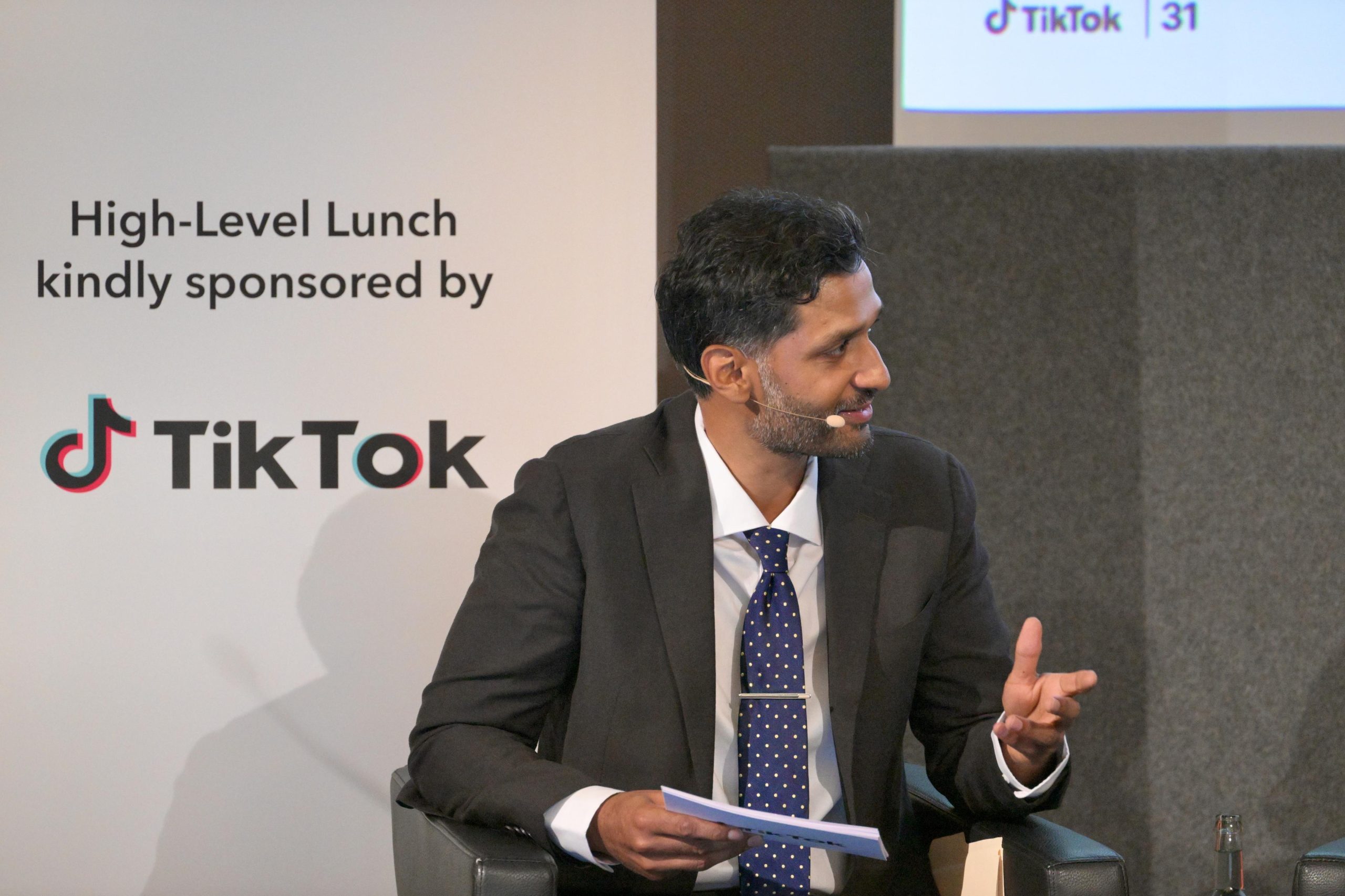
Tom Varghese, AI Lead for TikTok’s Global Public Policy team, said giving people information about AI remains a priority.
“We believe people should have context, confidence and control over their experiences with AI on TikTok. We continue to invest in technologies, partnerships and educational resources that help people spot AI-generated content, understand how it’s created, and use these tools creatively and responsibly.
Read also – TikTok Kenya Content Removals Highlight Rising Online Safety Concerns
Platform targets AI-generated spam
Generative AI has made it easier for creators to produce videos, images and graphics. The same technology can also be used to flood platforms with repetitive or misleading content.
TikTok says it is testing new detection systems that identify accounts dedicated to posting AI-generated spam. The goal is to reduce content designed to manipulate recommendations or overwhelm genuine creators.
The company said its wider spam detection systems removed more than 86 million fake accounts during the first quarter of 2026 alone, highlighting the scale of the challenge as AI tools become easier to access.
Education forms another part of TikTok’s latest plans. The company has worked with the National Association for Media Literacy Education (NAMLE) and AI specialist Henry Ajder to develop guidance on responsible AI use. Building on that work, TikTok will introduce an in-app AI literacy hub for users in Kenya, Nigeria and South Africa.
The hub will provide practical resources explaining how AI-generated content is created, how to identify it and how AI tools are used on the platform.
TikTok has also committed more than US$4 million to its AI Literacy Fund since launching the initiative in November 2025. Through partnerships with organisations including Mtoto News and Eveminet in Kenya, Africa Check, the Centre for Journalism Innovation and Development, Paradigm Initiative in Nigeria and Moxi Africa in South Africa, the programme has already generated more than 200 million views of AI literacy content.
The company says these partnerships allow educational material to reflect local contexts instead of relying on one global approach.
TikTok AI literacy initiatives – African creators continue experimenting with AI
TikTok also highlighted how creators across Sub-Saharan Africa are using AI in education, storytelling and digital production.
Among those featured are Kenyan creators Tonnee Ndungu and Nyandia Gachago, alongside creators from Nigeria and South Africa. The company says creators are using AI tools such as Smart Split and AI Outline to produce content, while features like Manage Topics give users greater control over how much AI-generated material appears in their feeds.
The announcements reflect a wider shift across the technology industry as companies invest in AI tools while introducing safeguards designed to improve transparency and help users make informed decisions about the content they encounter online.
Never miss a story 💜
Breaking news, real stories and money tips for Kenyan women, as they happen.

