
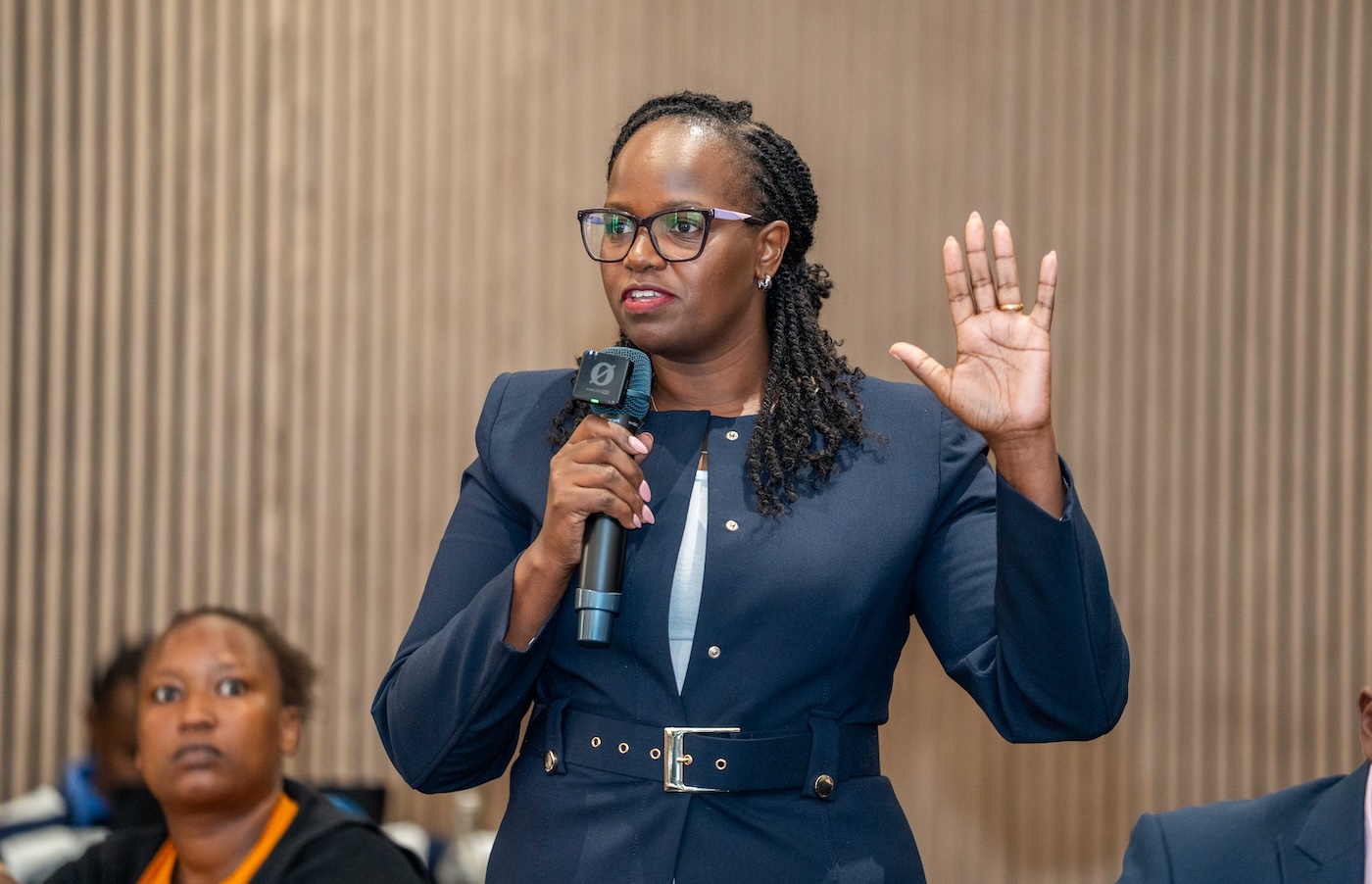
NCBA AFAWA Women Programme equips entrepreneurs with financing, mentorship and market access to grow resilient businesses across Kenya.
Behind every business pitch is usually a story that started years earlier, often with very little. That was true for many of the 32 women entrepreneurs who spent two days this week presenting their growth plans to an investment panel drawn from NCBA, the African Guarantee Fund, Unga Group and the SME Support Centre. What brought them to that room was not luck, but months of deliberate work through the NCBA AFAWA Women Small and Medium Enterprises Acceleration Programme.
The programme exists because of a gap that has quietly held back women entrepreneurs across the continent for years. AFAWA, the Affirmative Finance Action for Women in Africa, was set up by the African Development Bank to chip away at a financing shortfall estimated at $42 billion to $49 billion. NCBA’s version of the programme, run in partnership with the African Guarantee Fund, is one attempt to translate that big continental ambition into something practical for women running businesses in Kenya today.
Read also – NCBA AFAWA Backing Women Led Agribusiness Growth In Kenya
It is worth pausing on why this matters. Women own close to half of Kenya’s micro, small and medium enterprises, roughly 48% according to a joint report by the International Finance Corporation and the World Bank. Despite that scale, many of these businesses stay small longer than they should, not for lack of ambition, but because access to finance, markets and the right kind of support has often been out of reach.
Eighty two women-owned SMEs have passed through the programme across two cohorts so far. The current group, mostly women in their late thirties, work across some of Kenya’s most familiar agricultural value chains, from cereals and avocados to poultry, tomatoes, coffee, macadamia, fish and rabbits, alongside food businesses producing items like cakes. What they share is not the product but the process: months of tightening business models, cleaning up governance and financial management, and rehearsing pitches until confidence replaced hesitation.
NCBA AFAWA Women Programme results
The results are starting to show. Of the $5 million in financing the programme hopes to unlock for these businesses, $1.365 million has already come through, a sign that pairing capability building with real financial solutions actually works.
Linda Onyango, CEO of the SME Support Centre, has watched that shift happen up close. Her team’s job, she says, was never just about paperwork. It was about building the practical skills, confidence and strategic thinking these women need to run resilient businesses long after the programme ends, so that when they do ask for money, they are ready for the answer to be yes.
Read also – Soko Kijiji Boosts Women Entrepreneurs Through NCBA
NCBA sees the programme as proof of something the bank has been saying for a while now, that ambition should not be limited by circumstance. Dennis Njau, the bank’s Group Director for Retail Banking, described it as an extension of NCBA’s Banking on Belief strategy, the idea that capital alone is not enough, and that skills, networks and confidence matter just as much.
Ann Mwangi from the African Guarantee Fund put the goal in blunt terms: building a pipeline of women-owned businesses that lenders can trust, businesses that walk into a bank and get treated as the credible borrowers they already are.
None of this works as a solo effort. AGF and AFAWA absorb the risk that makes lending to these businesses possible. The SME Support Centre handles the mentorship and coaching. Unga Group brings market access and industry knowledge. NCBA supplies the financing that turns readiness into actual growth. It is a partnership built, in Njau’s words, on the spirit of Ubuntu, the belief that none of us gets far alone.
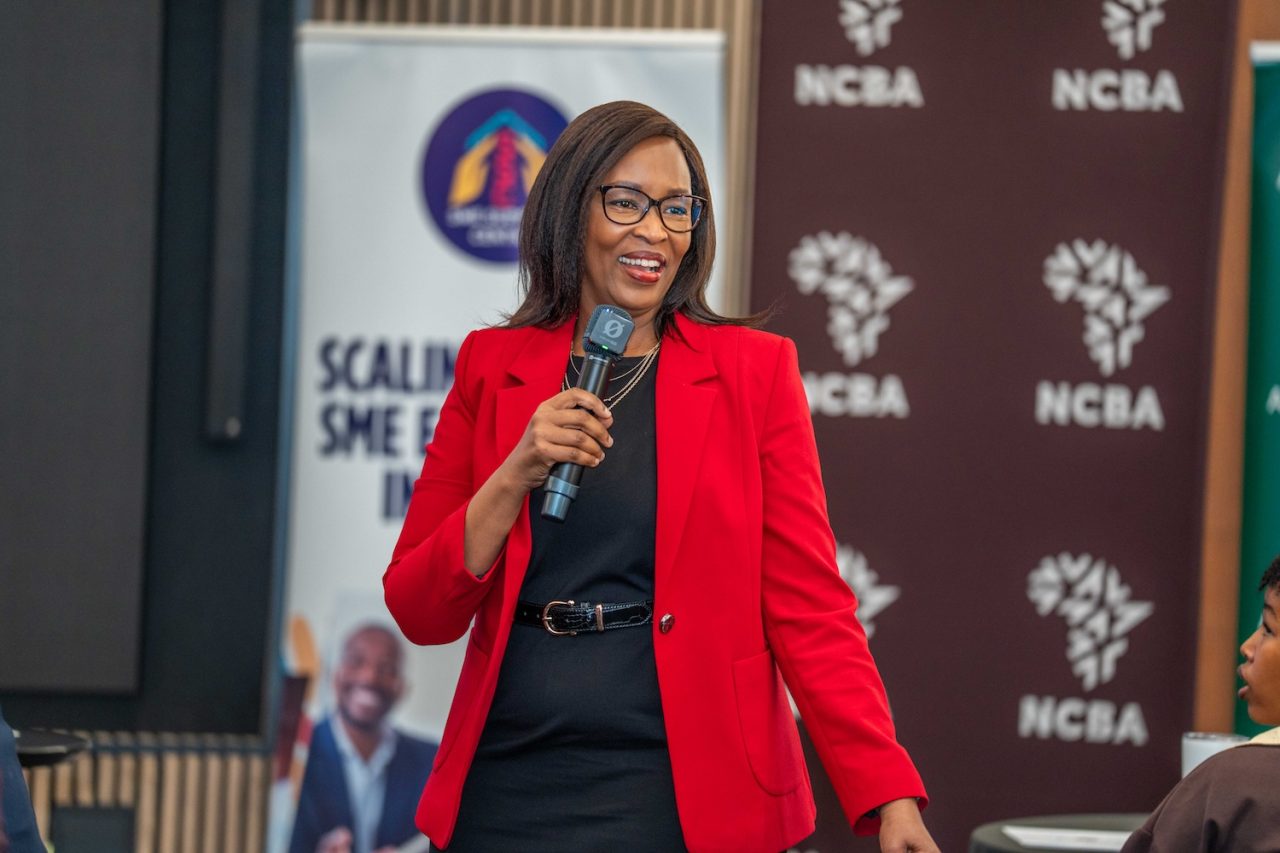
By the time the pitching sessions closed, something had changed for those 32 women beyond the numbers on a spreadsheet. They had spent two days being taken seriously as business owners, not just as women asking for a chance. For NCBA, that shift, quiet as it is, is exactly the kind of story it hopes to keep changing.
Never miss a story 💜
Breaking news, real stories and money tips for Kenyan women, as they happen.

