
Tech giant Samsung has spent the last three Galaxy generations adding AI features to its premium flagship lineup of smartphones. But with the recently launched Galaxy S26 Ultra that I have been using for the past few weeks, these Ai features are now at a point where they seamlessly and effortlessly work together. The features have been woven throughout the whole smartphone experience while using the S26 Ultra as my daily driver.
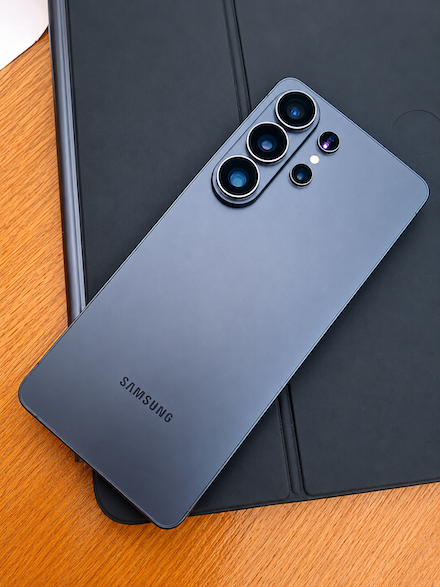
These AI features are well integrated when it comes to photography and video to productivity, phone calls and privacy and they have made using the S26 Ultra easier to use. These AI features quickly became part of my routine not only as a creator but also as a power user and I appreciated the additional control.
Galaxy AI Finally Understands Context
What I found out using the S26 Ultra is that the company’s biggest improvement wasn’t necessarily a new feature but it was how the existing ones worked together.
In the previous Galaxy AI releases, the features felt like a collection of separate tools. With the S26 Ultra, the approach is different as these features such as Now Brief, Now Bar and the new Now Nudge share context. So instead of asking me to search for information, the phone attempted to surface it before I needed it.
This approach worked best with my simple daily tasks including checking the weather, appointments, traffic and reminders which are collected into a single morning briefing that saves several swipes between apps.
When it came to the Now Bar in the lock screen, it made navigation, controlling music and live activities accessible without interrupting what I was doing.
Something else I noticed as a great update was the combination of Bixby, Perplexity and Gemini. So instead of deciding which assistant to open, I could interact with my phone naturally while the software handled the workflows behind the scenes.
Commands like checking my schedule before replying to a message felt like a practical time saver. To be fair, these features won’t turn how you use your smartphone overnight but their value gross as the phone learns your routines and habits so they make the experience more personal over time instead of overwhelming you with constant suggestions.
The Camera Is Where Galaxy AI Makes Its Strongest Case
While Samsung’s camera upgrades are easier to appreciate, it’s the software behind them that deserves just as much attention to be honest.

The S26 Ultra main cameras feature wider aperture to reach the sensor and this gives Samsung’s AI image processing far more information to work with before it begins balancing exposure or reducing noise. With this combination, you get more meaningful improvements instead of just getting the increased megapixel count. Samsung themselves argue that lens quality and image processing matter more than resolution figures and the S26 Ultra cameras largely support this claim.
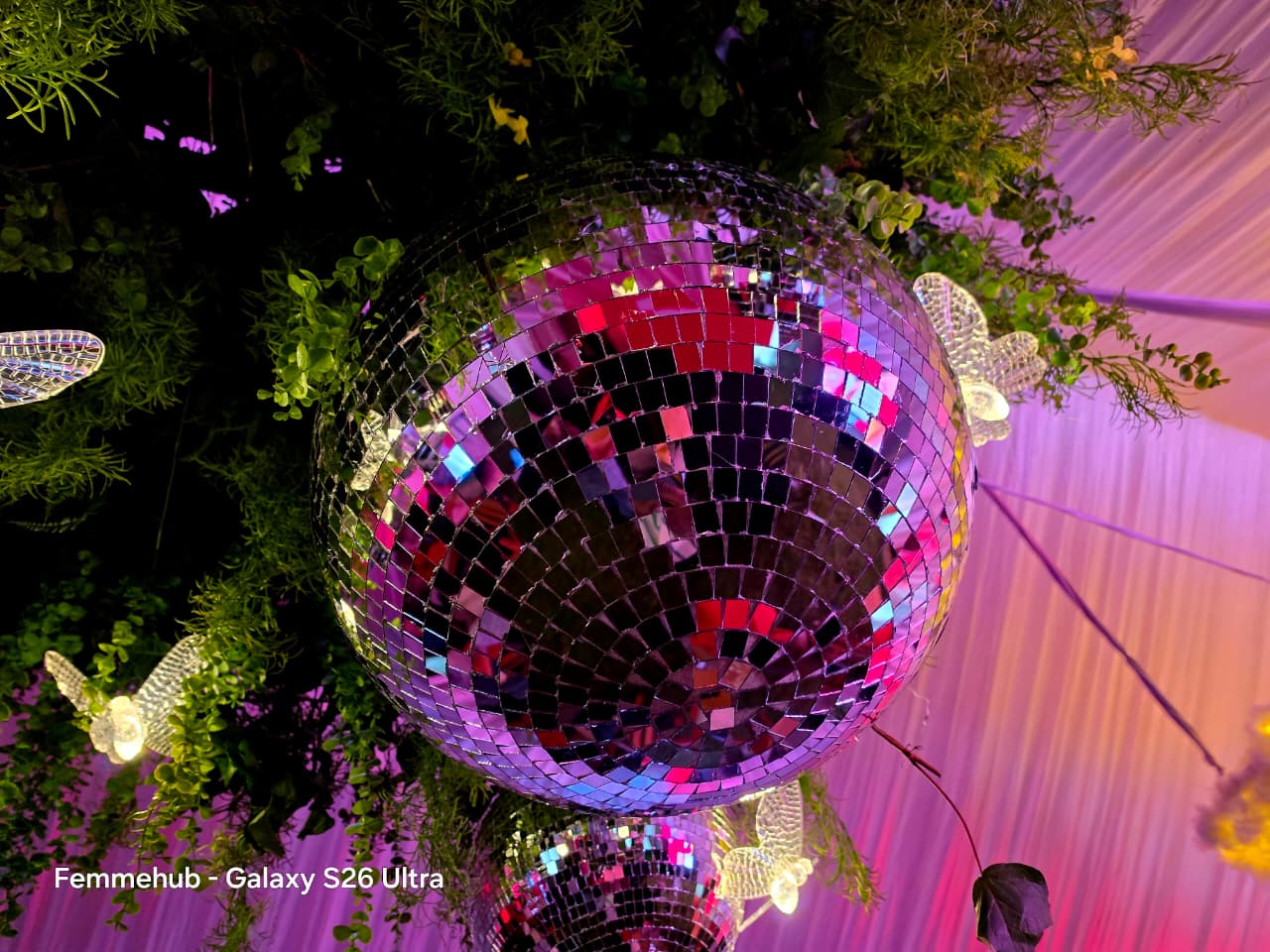
I was so impressed with the phone’s night photography. Low light photos retain better colour, they have cleaner shadows and noticeably less grain than its predecessors without looking artificially sharpened.
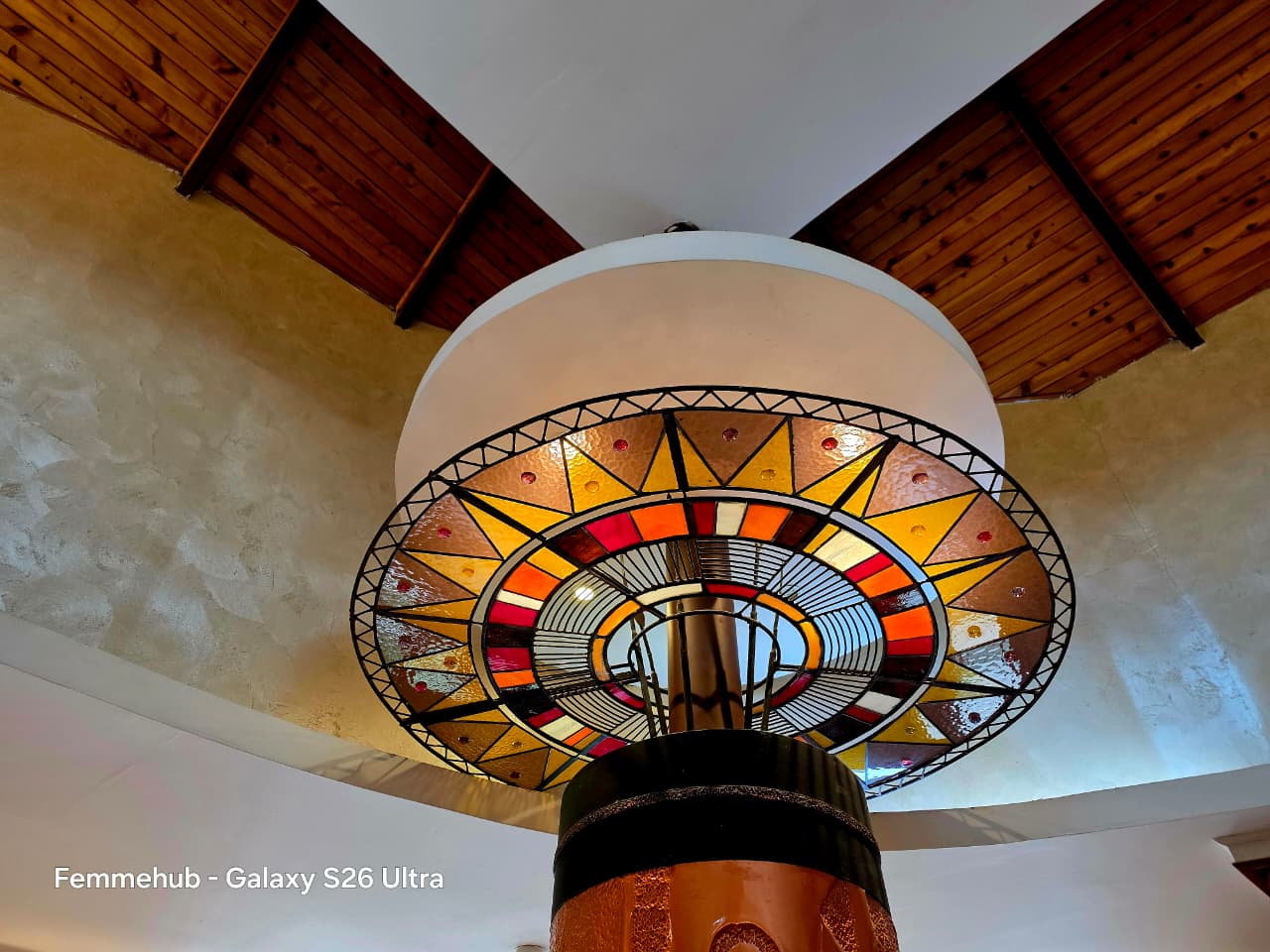
Something else I noticed throughout my use is how the AI Image Signal Processor also improves facial detail while preserving natural skin tones instead of applying that overly processed look that has affected some smartphone cameras in the past.
Another feature that has matured is Photo Assist. You can not only remove unwanted objects but also reconstruct missing parts of an image and even change the mood of a scene or rebuild damaged areas.

The results are convincing enough for everyday photography and social media. Creative studio does the same thing as you can generate stickers, wallpapers of artwork from text prompts. This feature isn’t essential but it turns Galaxy AI into something people can experiment with.
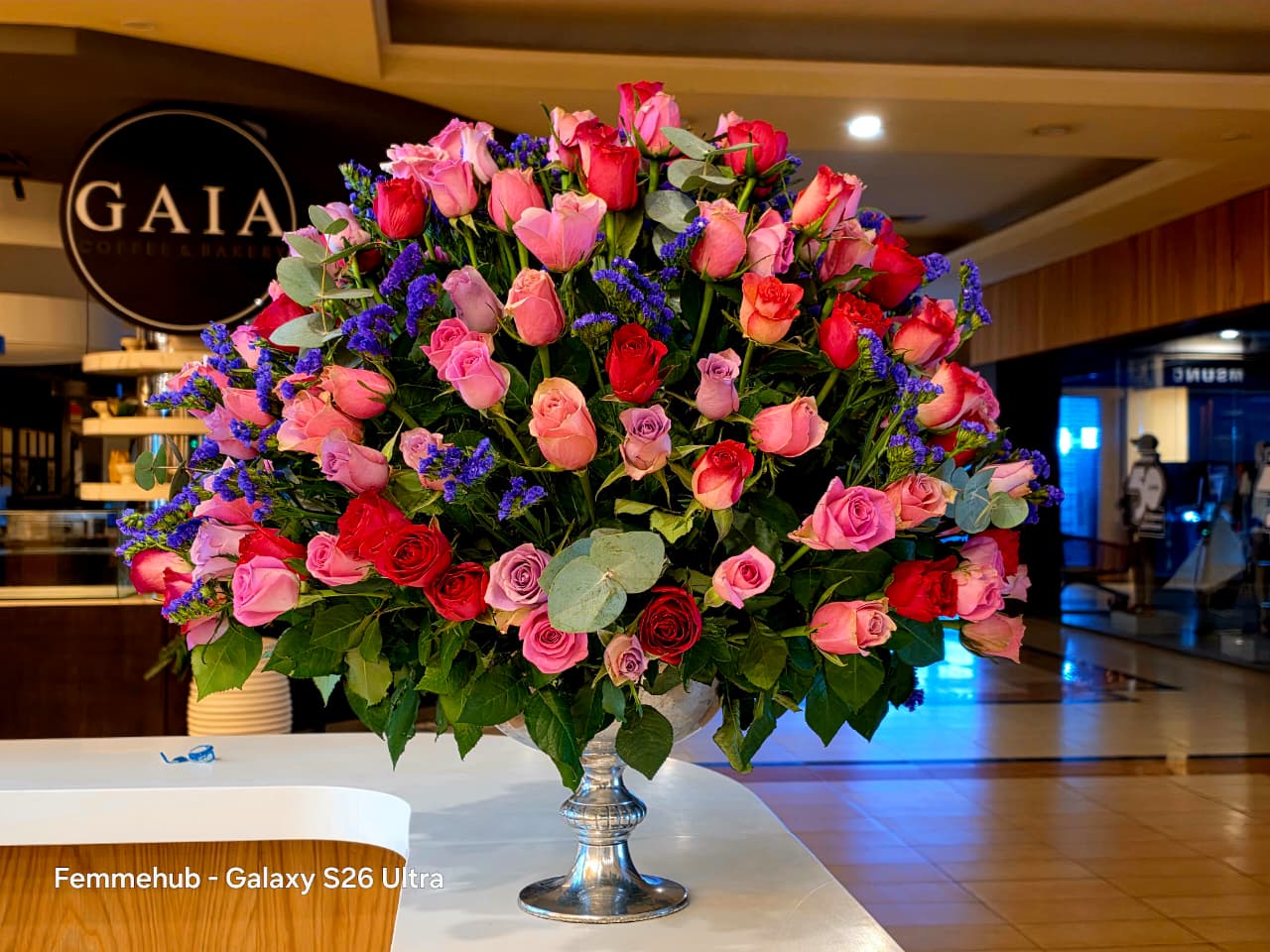
Audio erasers are something I enjoyed a lot. Being able to reduce crowd noise, wind or background music after recording is really useful and the fact that this feature has been extended to compatible third party media gives it broader purpose beyond just videos captured on the phone itself.
Productivity Features
The S26 Ultra is equally comfortable handling work as it is editing photos. I liked using some of the features including Transcript Assist, Writing Assist, Note Assist and Browsing Assist which all build on tasks I already perform every day. Instead of replacing those activities, they shorten them. Meeting recordings become searchable notes, long articles become summaries and rough drafts become polished messages without forcing users to adopt entirely new workflows.
Interpreter and Call Assist also continue to mature. Real-time translation is no longer the novelty it once was, but Samsung has refined the experience enough that conversations feel more natural. Scam detection and AI call screening add practical value as well, particularly for users dealing with frequent unknown callers.
Verdict
The Galaxy S26 Ultra isn’t defined by a single AI breakthrough. Its strength comes from how consistently AI appears throughout the experience.
Some tools, particularly Creative Studio, will appeal mainly to enthusiasts. Others, including Now Brief, Photo Assist, Audio Eraser and the improved camera processing, are likely to become features people rely on without thinking much about them.
That may be Samsung’s biggest achievement with the S26 Ultra. Rather than asking users to learn an entirely new way of using their phone, Galaxy AI quietly removes steps from familiar tasks. The result is a flagship where the software often feels as important as the hardware powering it.
Pricing, Availability and Financing in Kenya
The Galaxy S26 series is available for purchase in Kenya at their countrywide official retail stores and authorized partner retailers like PhonePlace Kenya, Jaicom, HouseWife’s Paradise and Ropem.
Samsung is offering three models, with the S26 Ultra positioned firmly at the premium end of the lineup.
The Galaxy S26 Ultra starts at KES 122,000 for the 12GB RAM and 256GB storage model, while the 12GB/512GB variant costs KES 154,000. Buyers looking for a lower entry point can opt for the Galaxy S26 from KES 98,000, while the Galaxy S26+ starts at KES 109,500.
Samsung is also making the flagship more accessible through financing plans offered by participating banks like Loop DFS and retail partners. Instead of paying the full amount upfront, eligible customers can spread the cost over monthly instalments, an option that has become increasingly common for premium smartphones in Kenya.
Never miss a story 💜
Breaking news, real stories and money tips for Kenyan women, as they happen.

