
Rwandan businesses are rethinking what they sell and how they sell it, moving away from raw commodities toward processed goods and regional exports, a shift driven partly by tight foreign exchange conditions and partly by government tax incentives designed to bring down the country’s import bill.
That shift was on full display this week at the Equity Group Trade and Investment Roadshow in Kigali, part of a wider pattern taking shape across East Africa as businesses chase higher margins in global supply chains rather than settling for the lower returns that come with exporting raw materials. The roadshow, which wraps up on Saturday, September 19, has pulled in more than 150 investors and delegates from Europe and Africa, following a similar leg held in Uganda earlier in the week.
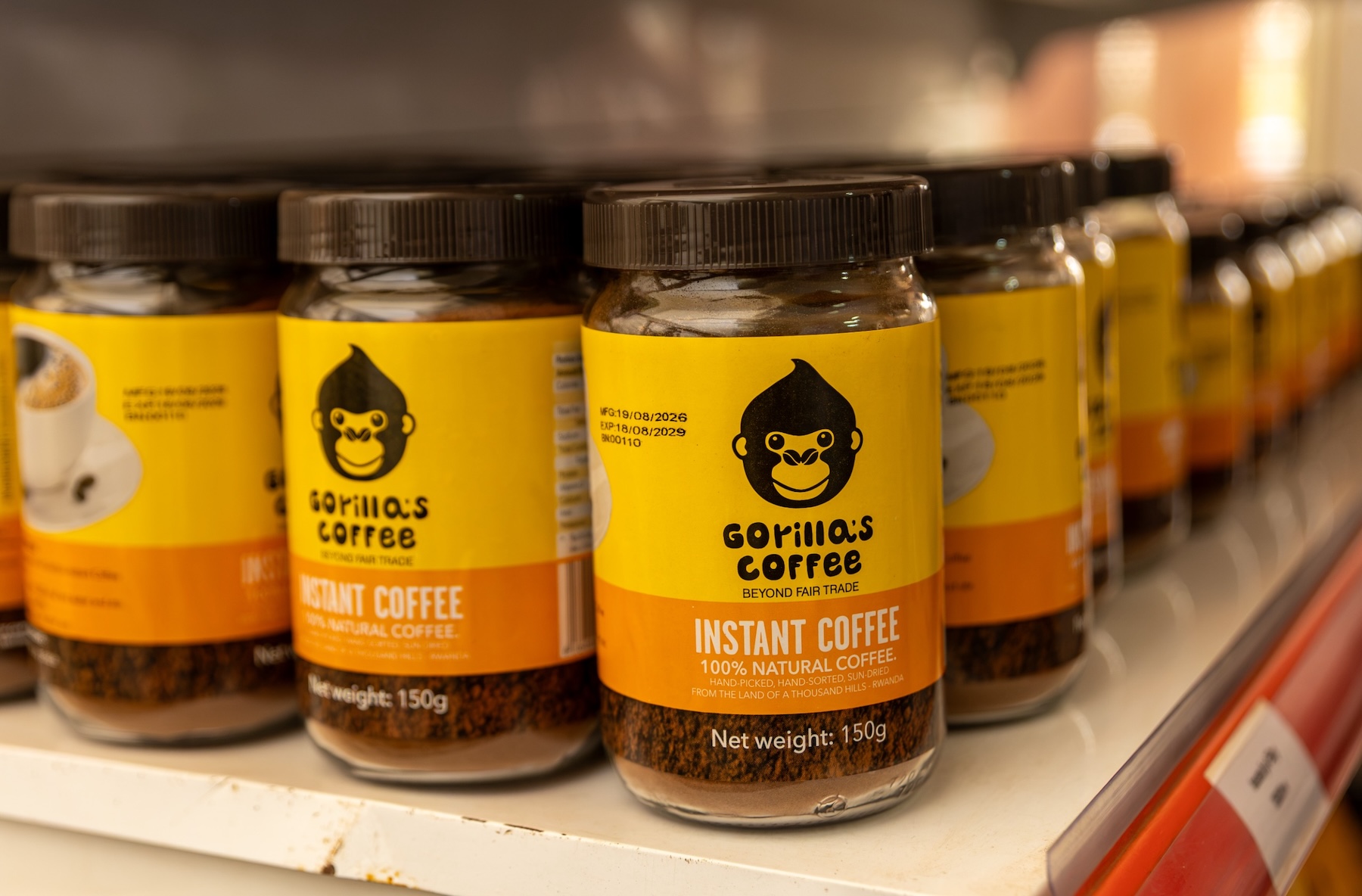
Leading the charge in agriculture is Rwanda Farmers Coffee Company, the state backed producer behind Gorilla’s Coffee. The firm has moved away from exporting raw green beans, choosing instead to roast and package coffee locally, with its sights set on higher value markets in the US, Europe and the Middle East.
CEO Donal Murphy told delegates the company was built in 2014 around a clear mandate, to keep a larger share of the coffee value chain inside Rwanda. “We take the green beans and rather than export as green beans, we roast, we package, we market, we sell,” he said. “There is much more opportunity to gain traction in developed countries, Europe, the USA, and the Middle East. These are all high value coffee markets that it would be great for our business if we were able to get even more sales in those territories.”
That strategy comes with its own exposure. Murphy pointed out that the firm depends on imported packaging materials from markets like China, which means a constant need for US dollars. Reliable access to foreign exchange liquidity through Equity Bank, he said, has become a critical piece of keeping the company’s import and export operations running smoothly.
Equity Bank’s own strategy is shifting alongside its clients. Manase Manirakinga, Head of Agriculture at Equity Bank Rwanda, said the bank starts by identifying the specific challenges a sector faces before shaping financial products around those needs, working toward a target of at least 30 percent green financing in its overall mix by 2030.
The same pattern is playing out in manufacturing. Kamanzi Gilbert, Chairperson of Dikam Garment Factory, pointed to a simple but striking number, Rwanda currently imports more than 90 percent of its garments, leaving a large domestic market wide open for local producers. “Making garments locally was a very big opportunity because there are many government incentives, including a duty remission on imported raw materials,” he said. “We started with 10 workers seven years ago, but now we are counting around 400 employees, supporting over 2,000 people.”
Not every manufacturer is betting on the domestic market alone. Kevin Lio, Managing Director of Landy Industries, said his company exports half of its production outside Rwanda, a strategy built around the country’s geography rather than its size. “The location of Rwanda has its own advantages,” he said. “We are near the borders of Tanzania, Kenya, Burundi, and Congo. Sometimes Rwanda lacks dollars, but Equity gives us a good rate and enough USD, which is very nice for exporters.”
Behind all of this sits Equity’s broader push to connect foreign capital with businesses like these. Mahvish Malik, Equity Group Associate Director of Trade Relations, said the bank has run 15 similar roadshows since 2021 aimed at mobilising regional capital. “Earlier this year, we took over 50 traveling delegates from 25 nationalities to Lubumbashi and Kolwezi in the DRC,” she said. “In June, we were in Tanzania and Zanzibar. It gives our delegates a very strong look and feel of what it’s like to do business in the country.” Malik spoke ahead of a major business roundtable scheduled for Friday, expected to bring together more than 60 delegates.
Never miss a story 💜
Breaking news, real stories and money tips for Kenyan women, as they happen.

