
Ask any trader who has ordered stock from China and you will hear a version of the same story. The samples looked perfect, the price was right, and then the shipment arrived and something was off. A supplier found through a screen is a gamble. A supplier you have met, whose factory you have walked through, is a relationship. That difference is what NCBA is betting on with a group of more than 100 business owners who are preparing to fly east this month.
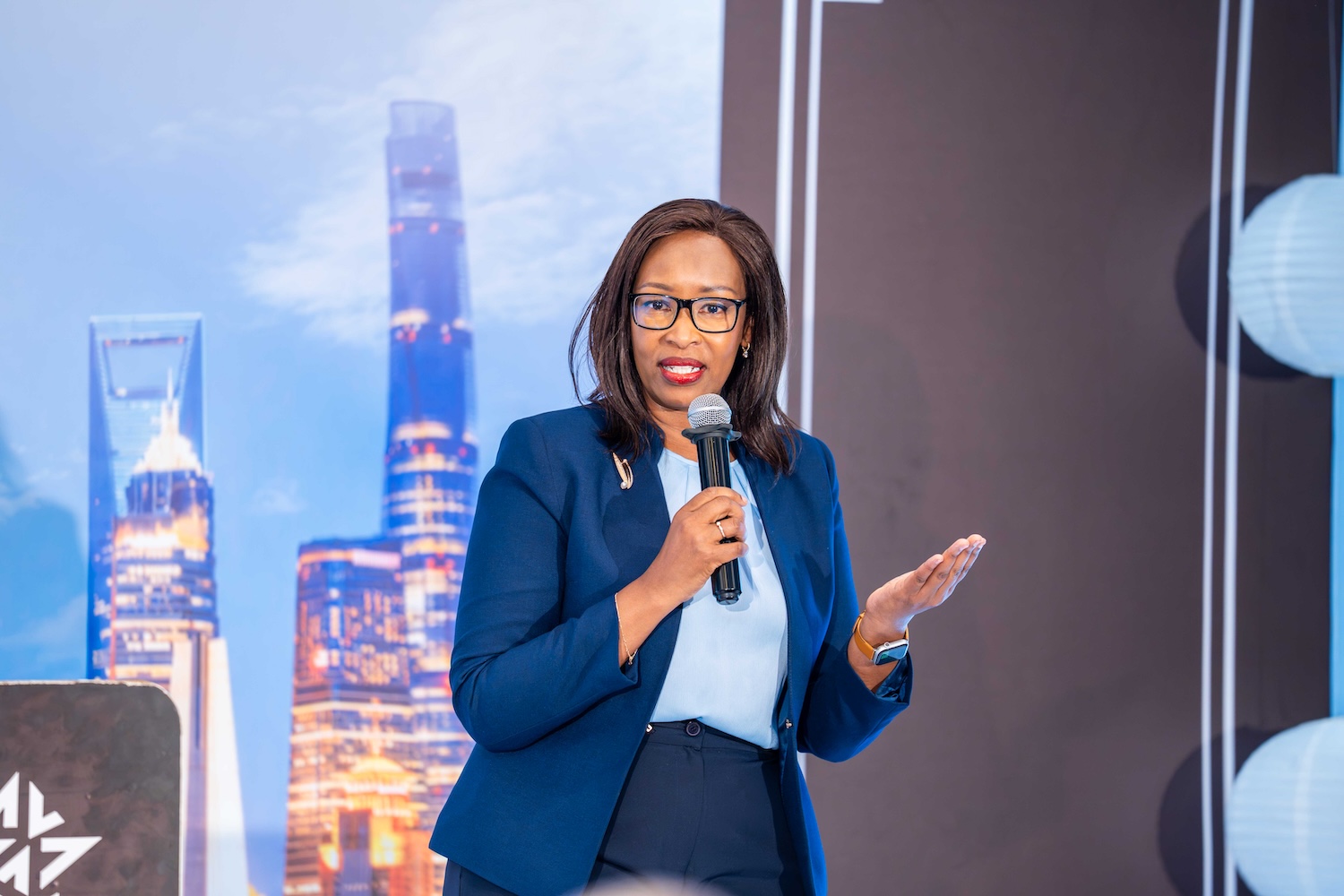
The bank brought them together at a regional pre-departure briefing forum. Customers from Kenya, Uganda, Tanzania and Rwanda, running small, medium and large enterprises, heard market intelligence and practical advice before the 2026 China Market Linkage and Business Exposure Programme begins. The 12-day immersion runs from 13th to 24th October in Beijing and Guangzhou.
It is also a first for NCBA. Earlier editions drew customers from individual markets, but this year the bank has put its East African customers into one delegation. The group will look at how to expand trade, tighten supplier networks, find new technologies and see for themselves how one of the world’s biggest manufacturing and trading economies operates.
Dennis Njau, Group Director, Retail Banking at NCBA, said the programme reflects a view that banking should reach past lending. Businesses, he argued, need access to knowledge, technology, markets, networks and the right partners if they are to compete in a world where everyone is connected. The aim is to give customers practical exposure to a dynamic trading ecosystem and to create openings that turn into real growth and lasting business relationships.
The trip arrives at a delicate point in Kenya’s trade story with China. The trade deficit is estimated at more than KSh500 billion, which makes the usual one-way flow of goods a sore point. The organisers want participants to think about selling into China as well as buying from it. The Kenya China Early Harvest Agreement gives eligible Kenyan exports duty-free access to about 98.2 per cent of Chinese tariff lines, and the delegation will be looking for the buyers and partners who can make that access count.
The itinerary is built around direct contact. Participants will meet manufacturers, exporters and international suppliers, tour industrial parks and production facilities, and spend time at the Canton Fair in Guangzhou, one of the largest trade exhibitions anywhere. They will also visit wholesale markets matched to their own industries. The sectors on show include manufacturing, agribusiness, electronics, construction, automotive, consumer goods, renewable energy and technology. Structured business-to-business meetings and sessions on sourcing, logistics, international trade and market access fill out the schedule.
What happens after the return flight matters just as much. NCBA says it will help customers turn contacts and ideas into working deals through its trade finance, working capital, asset finance, commercial lending, foreign exchange, treasury and transaction banking services. Its presence across the region is meant to help businesses handle cross-border trade and grow in more than one market.
There is a regional benefit too. Putting entrepreneurs from four countries on the same itinerary invites them to compare notes, share contacts and perhaps trade with one another, which supports the longer-term push for intra-African trade and stronger regional value chains.
For NCBA the programme fits its stated purpose of Banking on Belief, Empowering Ambition. For the people boarding the planes, the hope is simpler. They want to come home with a supplier they trust, a buyer who is waiting and a clearer idea of where their business goes next.
Never miss a story 💜
Breaking news, real stories and money tips for Kenyan women, as they happen.

