
If your income stopped today, how long could you continue covering the basics? For 39 per cent of Kenyans, the answer is two months or less.
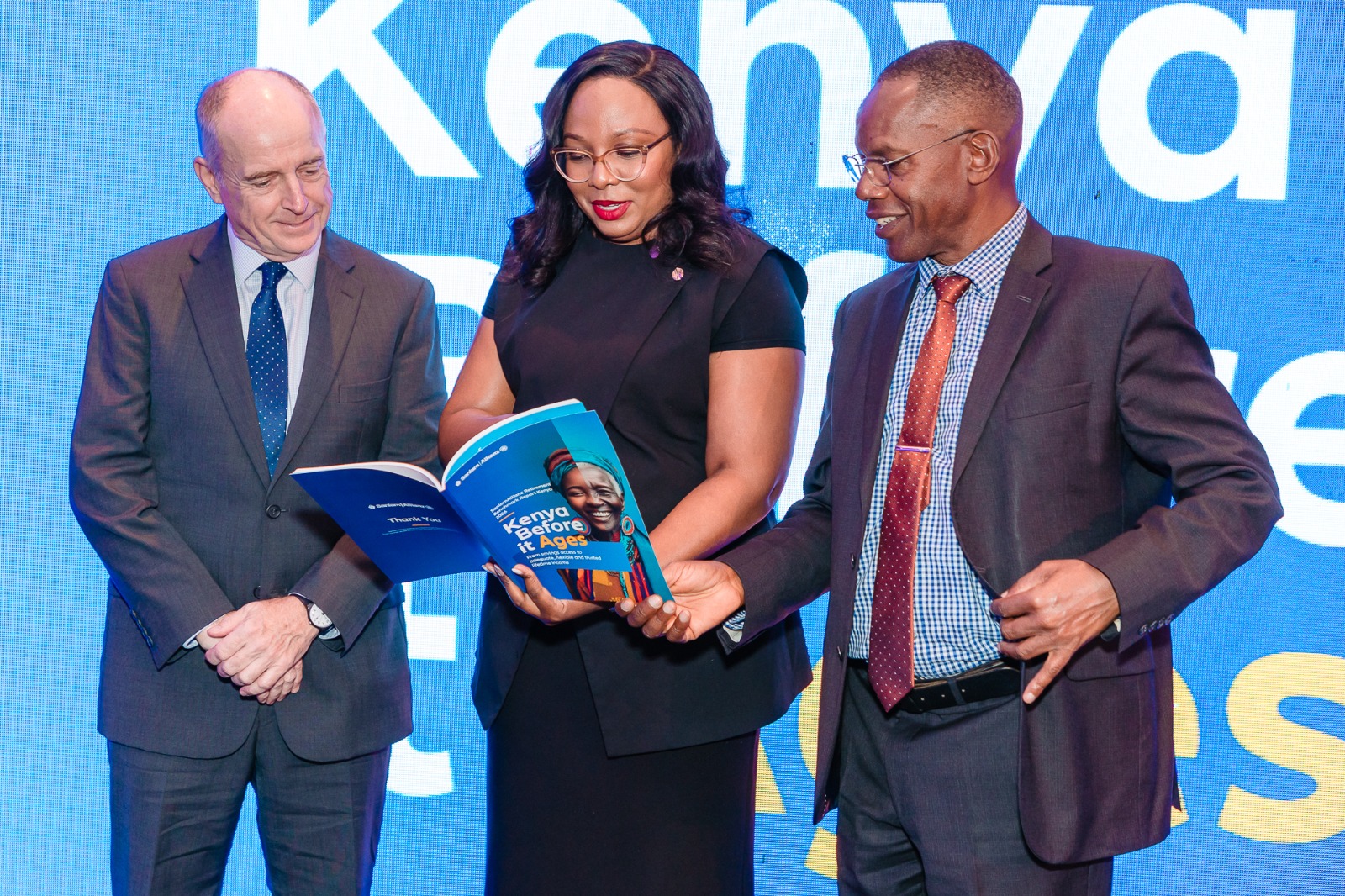
That figure comes from the first SanlamAllianz Kenya Retirement Benchmark, themed “Kenya Before It Ages” and released in Nairobi on 12 October 2026. The study found that seven in 10 Kenyans say they are not on track for a comfortable retirement.
Awareness is not what is holding people back, since only four percent blame a lack of understanding or trust in retirement products. Household budgets are stretched, saving patterns change when people change jobs or life happens, and few know what monthly income their savings will buy.
The problem, the study says, is not that we don’t understand retirement and the need for it. Only four percent of respondents blame a lack of understanding or trust in retirement products. The issue is that household budgets are stretched and savings get interrupted when people change jobs.
Family comes first before people can think of retirement. Household and family costs are the biggest barrier to saving at 44 per cent, followed by low or irregular income at 37 per cent and debt repayments at 24 per cent. Some 62 percent say supporting dependants cuts into what they can save. In the past year, 23 per cent dipped into savings or cut retirement contributions when money was tight, rising to 29 per cent among earners aged 20 to 39.
Changing jobs is another weak spot for many. Among respondents who left a job or business with some retirement savings, 53 percent withdrew at least part of the money, and 26 percent took everything. Only 32 percent managed to keep or transfer the full amount, although a third used the cash to start or support a business or farm. Most knew what they were doing, with 65 percent saying they understood the impact at the time. Yet 53 percent later regretted it, and one in five received no help at all when they left.
Jacqueline Karasha, Chief Executive Officer and Principal Officer of Sanlam Allianz Life Insurance (Kenya) Limited, said the findings show that awareness is not enough.
“The findings show that most Kenyans understand the importance of saving for retirement, yet everyday financial pressures often compete with long-term goals. This is why preservation cannot rely on awareness alone. As an industry, we have a responsibility to make it easier for people to stay invested, provide relevant guidance when key decisions arise, and design solutions that reflect the realities of people’s lives.”
Furthermore, even those who do save are often saving without a clear destination. One in five working-age contributors do not know how much they have saved, and only 29 percent know the monthly income they will need in retirement. While 45 percent had never heard of income drawdown, 51 percent want a guaranteed monthly income for life. Some 53 percent have no funded plan for medical costs after retirement, and 88 percent say they would keep working or run a business even if their retirement income was enough.
Jonathan Stichbury, Managing Director and Chief Executive Officer of SanlamAllianz Investments Limited, said the next step is turning savings into income. “Kenya has made significant progress in building a savings culture, but the next step is turning those savings into sustainable retirement income. Retirement security is ultimately not about the balance someone accumulates during their working years, but whether those savings can provide a reliable income throughout retirement.”
Where there is money there must be trust and this may be the missing piece for some savers. With 45 percent of respondents having lost money or personal information to a digital financial scam, a trusted provider or regulator tops the list of features that would draw them to a retirement product.
Dr Nyamemba Patrick Tumbo, Group Chief Executive Officer of SanlamAllianz Kenya, sees reason for optimism. “Kenya has a rare advantage: time. As a relatively young country, we have an opportunity to strengthen retirement preparedness before demographic pressures become more pronounced. Through the SanlamAllianz Kenya Retirement Benchmark, we aim to measure progress, stimulate dialogue and support the decisions needed to improve retirement outcomes for future generations.”
SanlamAllianz will repeat the Benchmark every year to track how these measures move.
Never miss a story 💜
Breaking news, real stories and money tips for Kenyan women, as they happen.

