
Kenyan small businesses have largely got past the first hurdle of going digital with payments, but a gap in productivity is holding many of them back. Visa’s new survey for its Pay and Get Paid 2026 report found that the vast majority of surveyed SMEs in Kenya both accept and make digital payments, a sign that digital commerce is now a core part of the small business economy. Yet most of these firms still handle the related financial and operational work in separate pieces. Only one in five uses an integrated solution that links payments to wider business management.
The admin burden is where the friction shows. Surveyed businesses said they struggle most with tracking outstanding invoices (30%), keeping payroll records in order (27%) and preparing financial reports (26%). The common thread is a break between the payment itself and the work that follows it, and some owners end up juggling several systems just to keep operations running.
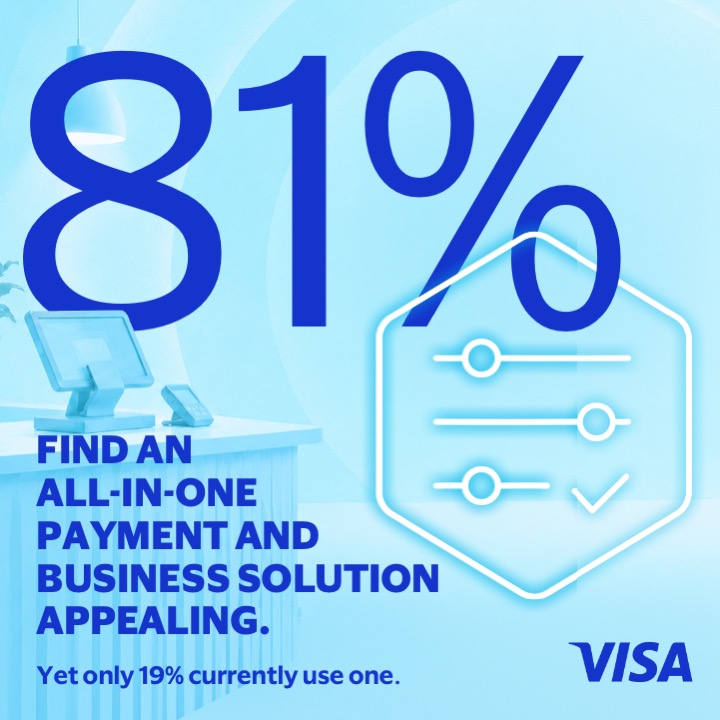
Interest in a more joined-up approach is strong. The report found that 81% of surveyed SMEs like the idea of an all-in-one solution, which suggests real demand for tools that put payments and core business tasks in one place. Uptake, however, trails far behind that enthusiasm, with just 19% of Kenyan SMEs currently using an integrated payment and business platform.
Several perception problems appear to be slowing things down. One in five businesses said they did not know such tools existed (20%). Others felt they were too small to need one (14%), or did not see enough benefit in using one (12%). The findings suggest that wider adoption will depend on showing SMEs that integrated tools can be relevant, easy to access and able to grow with a business as it expands.
For those already using them, the case looks persuasive. Kenyan businesses on an integrated tool or platform reported 85% satisfaction, and 81% said they had gained efficiency, including savings in the time and effort needed to run their business.
There is an upside for banks and other financial institutions too. Richer payments and business-management data could help them understand cash flow patterns, assess risk and, over time, offer more relevant lending to SME clients, deepening the relationship in the process.
Anne Kinuthia-Otieno, Vice President and Head of East Africa at Visa, said that as digital transactions become routine, the value for SMEs increasingly lies in what payments make possible once the transaction is done. For issuers, she said, that points to a wider opportunity, because integrated platforms can build a fuller, data-informed picture of what SMEs need. That opens the door to more tailored support and, where suitable, financing that helps businesses manage working capital and grow. Visa, she added, is focused on helping financial institutions turn payment innovation into more connected, data-informed platforms that create value for their SME customers.
Never miss a story 💜
Breaking news, real stories and money tips for Kenyan women, as they happen.

