
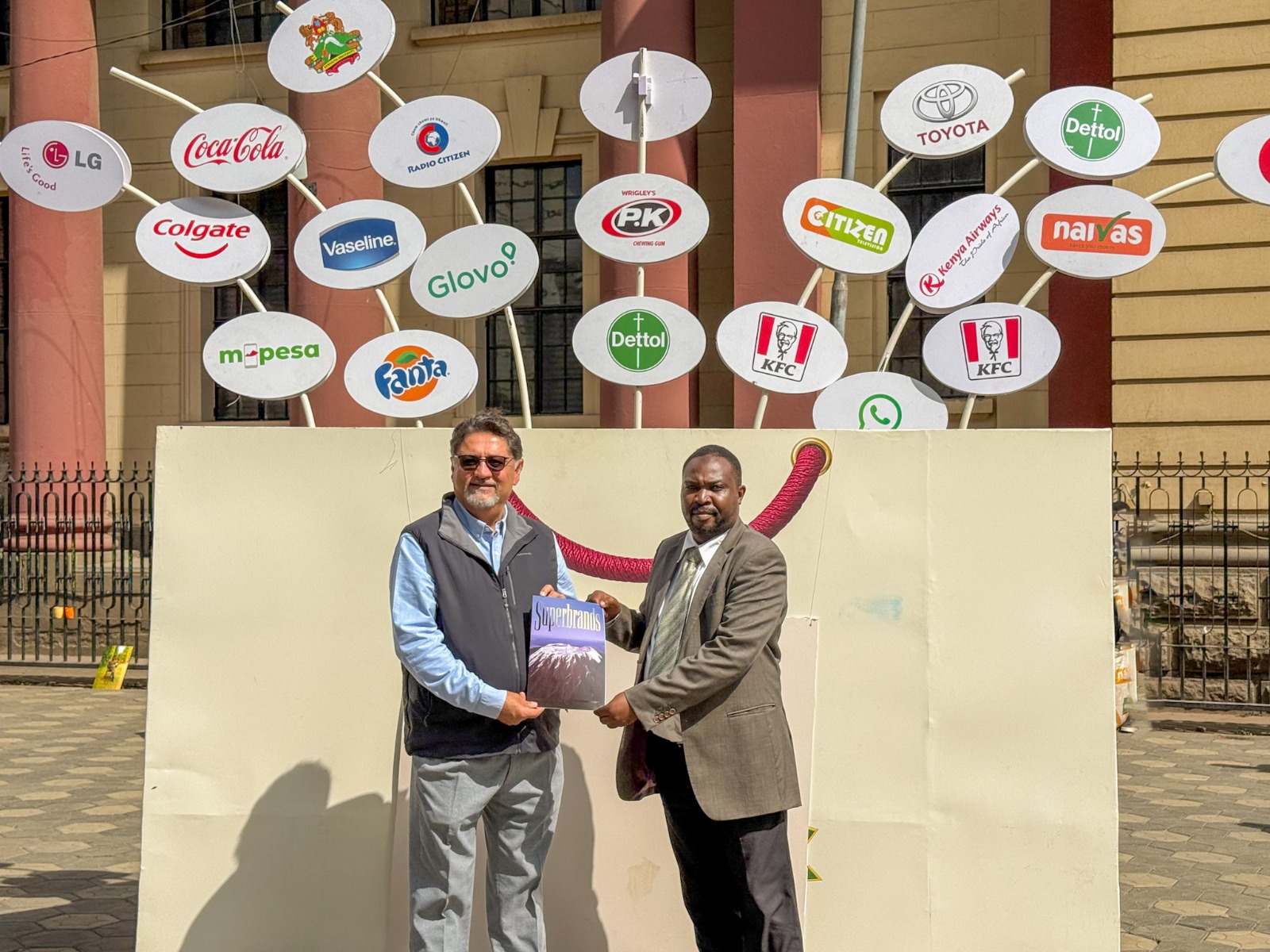
M-Pesa tops the list of Kenya’s strongest brands for 2026, and the finding that matters most to the companies behind it is what the research says about trust. A new Kantar study released by Superbrands East Africa shows that shoppers are weighing quality, reliability and reputation at least as heavily as price when deciding what to buy.
The headline numbers are striking. Some 86 per cent of surveyed consumers said they are likely to buy a product or service carrying the Superbrands seal, and 84 per cent said the recognition would raise their trust in a brand. Another 85 per cent said it would push them to consider a purchase or try a new service. Yet loyalty has limits. Only 63 per cent would consider paying more for a recognised brand, a sign that reputation alone does not excuse weak value.
Jawad Jaffer, Project Director and Associate Publisher at Superbrands East Africa, said Kenyan consumers have plenty of choice, so what counts is whether a brand keeps its promises. Trust, he said, has to be earned consistently through brand building and not through advertising alone.
The 2026 research covered 112 categories. Just over 2,250 consumers scored familiar brands from a shortlist of about 1,900 on three attributes: quality, reliability and distinction. Respondents were split evenly between men and women, with spread across age groups, social classes and education levels. Kantar compiled the scores and the leading brand in each category earned Superbrand status.
M-Pesa came first with a score of 91.909 and 98 per cent awareness, ahead of Safaricom, Samsung, WhatsApp and Google. Naivas, Dettol, Bolt, Kenya Airways and YouTube completed the top ten. Further down the top 30 are Quickmart, TikTok, Coca-Cola, Colgate, Citizen TV, the University of Nairobi, Equity Bank, Mercedes-Benz, KFC, Glovo and Toyota. Luxury names such as Range Rover and Mercedes-Benz posted some of the highest quality scores, even with lower awareness than mass-market rivals.
The seal itself still has an education problem. While 50 per cent of respondents link it to excellence, quality and trust, 26 per cent mistake it for a manufacturer’s logo. Product packaging is where most people see it, cited by 64 per cent, ahead of television at 31 per cent and social media at 29 per cent.
Influencers fared less well. Although 58 per cent of consumers trust influencer recommendations at least some of the time, only 10 per cent do so consistently. The remaining 42 per cent do not trust them, either because they find endorsements insincere or prefer to decide for themselves.
There is encouraging news for brands that carry the seal. The Net Promoter Score, which measures willingness to recommend, climbed from 10 in 2024 to 31 in 2026.
For Jaffer, the lesson is that a strong brand is more than a familiar one. It is one that has earned trust in the minds of consumers, and keeping that confidence takes continuous effort.
Never miss a story 💜
Breaking news, real stories and money tips for Kenyan women, as they happen.

