
Kenya’s tourism industry has spent years selling its landscapes, wildlife and culture through images built for one kind of traveller, someone who can see the view, climb the steps, hear the guide, walk the trail without a second thought. For a country whose tourism sector supports 1.8 million jobs, that narrow picture leaves a lot of potential visitors, and a lot of potential revenue, on the outside looking in.
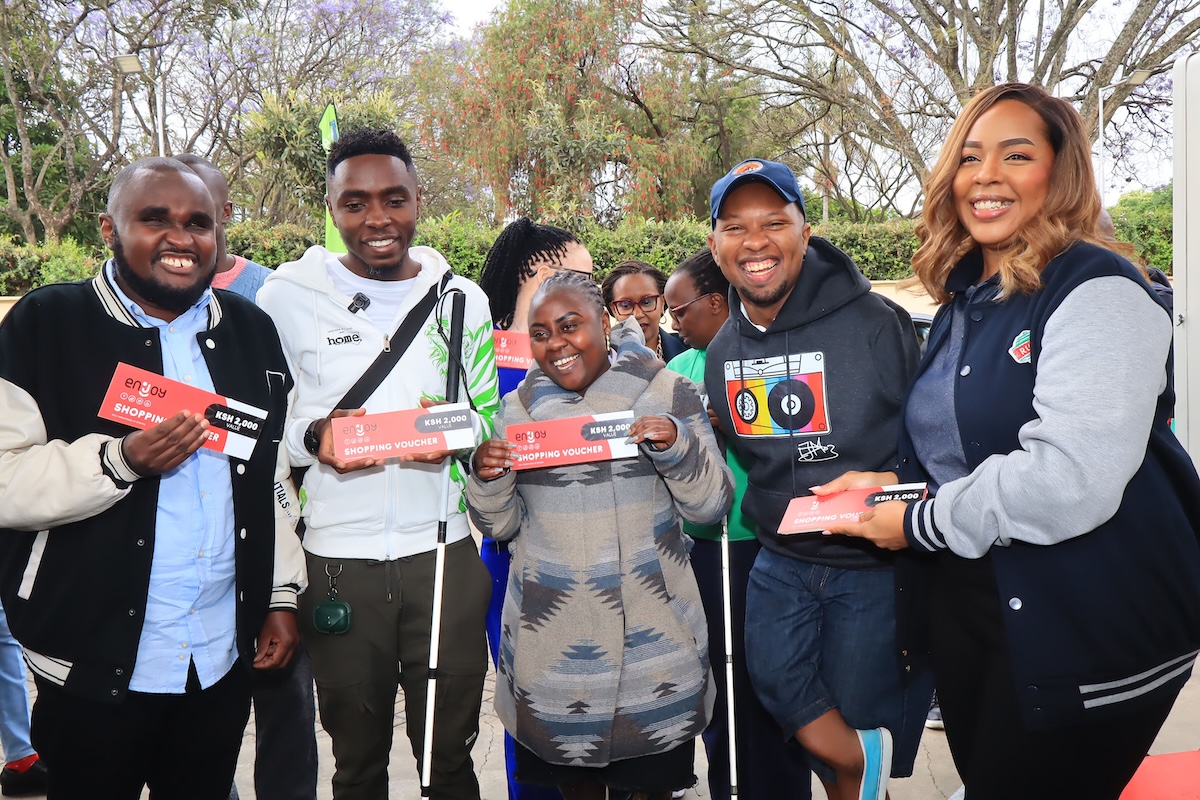
Kenya Beyond Sight is an attempt to close that gap. Over five days, six creators, J-Supercharge, Denno Music, Sammy Brayo, Nancy Cosy, Chelah Richards and Delvin Obara, will travel through Eastern and Coastal Kenya in a campaign built by KCB Bank in partnership with RUBiS Energy Kenya and the Kenya Tourism Board. Each brings a different lived experience of disability, and together their journey pushes the industry toward something it has been slow to embrace, storytelling built around more than sight alone, incorporating touch, sound, movement and connection into how Kenya is experienced and shared.
Rosalind Gichuru, KCB Group Director of Marketing and Communication, framed the campaign as a direct expression of the bank’s purpose. “Kenya Beyond Sight is a practical expression of what our brand purpose For People. For Better means,” she said. “Through it, we are showcasing the best of Kenya, encouraging a more inclusive way of experiencing Kenya and challenging ourselves to think differently about how the tourism sector can further be amplified.”
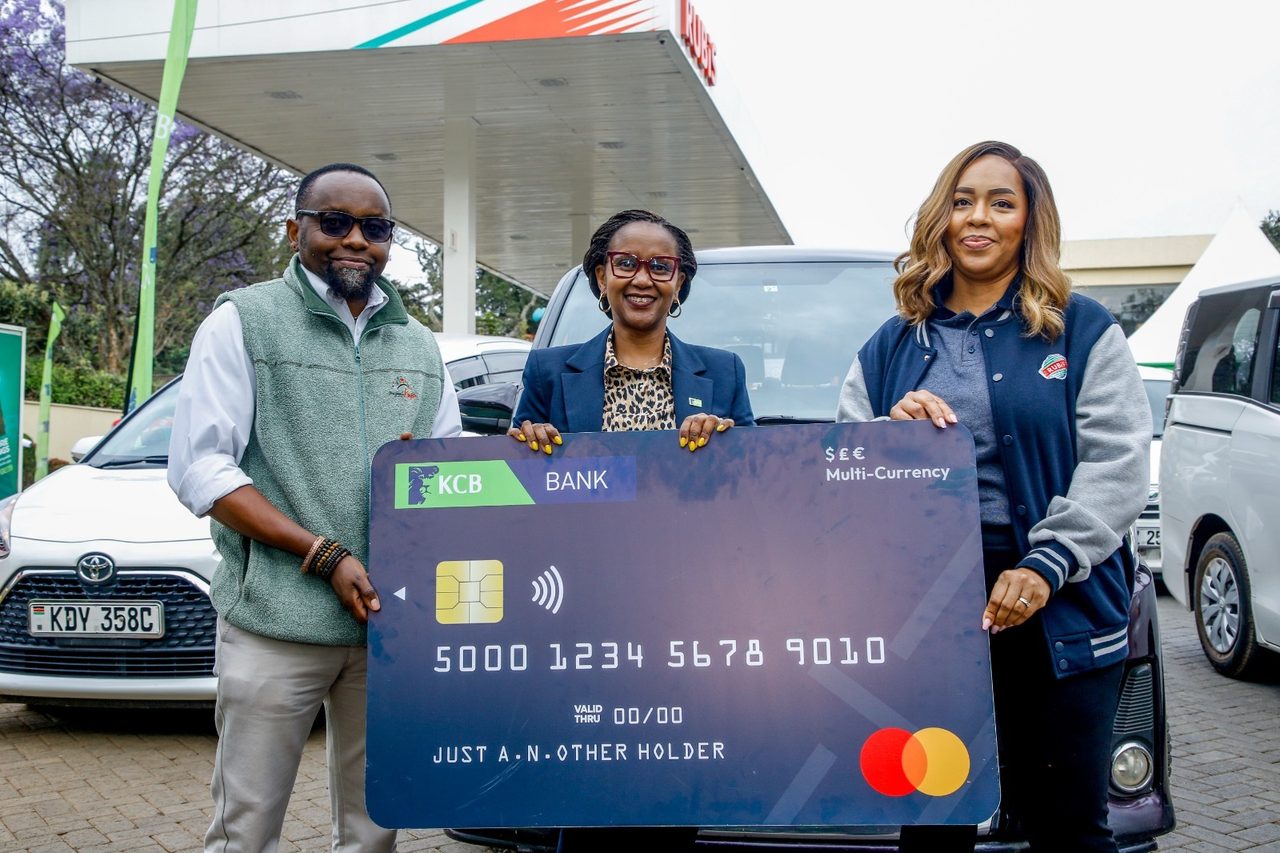
She also pointed to the practical layer running underneath the journey, KCB’s Debit and Prepaid Cards, which the creators are using to make cashless payments for accommodation, transport, dining and entry into attraction sites. “We are using the opportunity to showcase KCB’s seamless digital payment solutions,” she said, “with an objective of reducing unnecessary friction when making payments.”
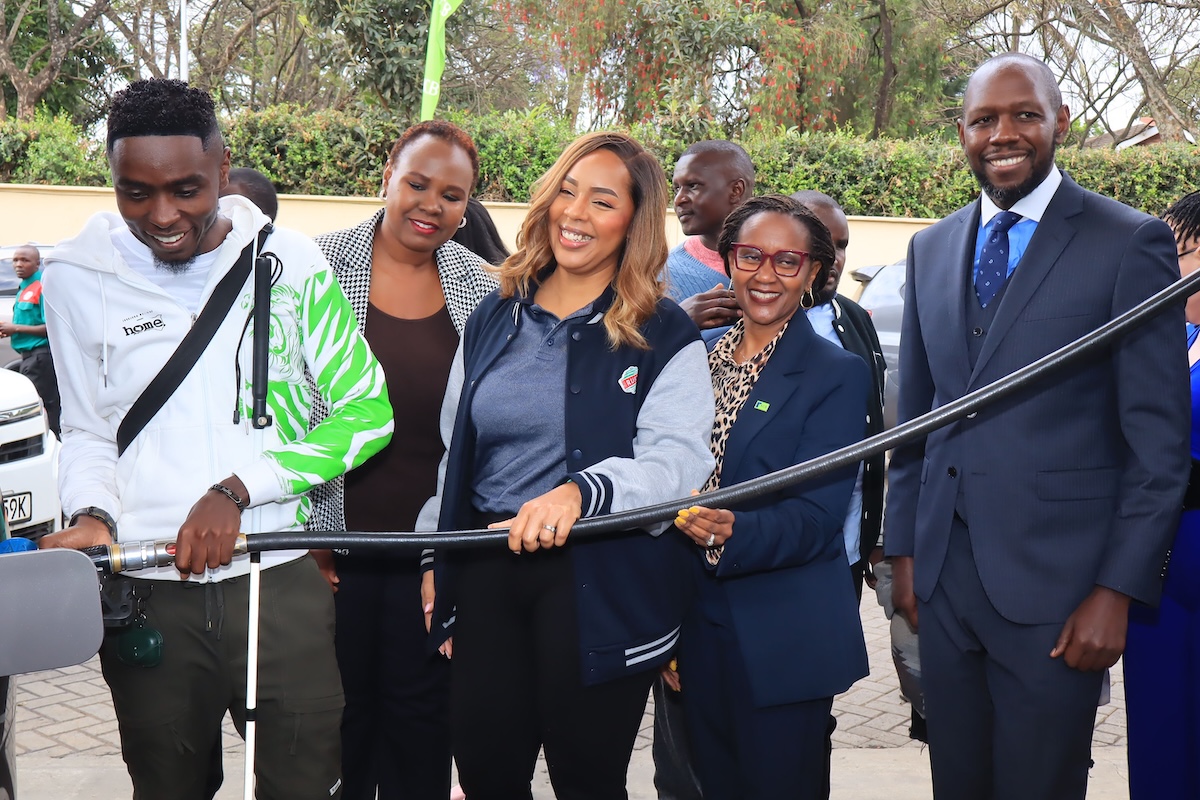
That idea, reducing friction, runs through the entire trip, not just the payments. RUBiS Energy Kenya is covering fuel costs along the route and providing Enjoy Shop vouchers, giving the team reliable points to refuel, rest and recharge as they move along the coast.
The Kenya Tourism Board has worked to remove friction of a different kind, coordinating with the Kenya Wildlife Service to secure complimentary access to Malindi Marine National Park, and connecting the team with Accessible Travel Kenya, which built the itinerary specifically around the group’s accessibility needs and is providing transport for the coastal leg. Haller Park, courtesy of Bamburi Cement, adds another stop shaped by the same collaborative spirit.
KTB CEO June Chepkemei was direct about what the campaign represents for the wider industry. “As the Kenya Tourism Board, we believe that our destination must be accessible, welcoming and enjoyable to all visitors,” she said. “Kenya’s tourism story is one of extraordinary landscapes, diverse cultures, warm hospitality and unforgettable experiences. That story must include every person, regardless of age or ability.”
She pushed the point further, turning the campaign into a challenge for everyone working in tourism. “It challenges accommodation providers, attractions, transport operators, tour companies and other stakeholders to ask an important question: How can we make it easier for every visitor to explore, participate and feel welcome?”
As the creators document the journey across their own platforms, what they share will carry more than scenic highlights. It will carry the practical realities of navigating Kenya’s tourism infrastructure with a disability, the barriers still standing and the small design choices that separate a destination that excludes from one that genuinely welcomes.
The stakes for getting this right are not small. Tourism contributed 12.7 billion dollars to Kenya’s economy in 2025, 9.3 percent of GDP, according to the World Travel and Tourism Council, alongside the jobs it already supports across the country. A sector that size touches livelihoods everywhere, which is exactly why who gets to access it, and how easily, matters just as much as how fast it grows.
The initiative also ties directly into KCB’s commitment to the Sustainable Development Goals, particularly SDG 8 on decent work and economic growth, SDG 10 on reduced inequalities and SDG 17 on partnerships for the goals. By pushing inclusive tourism forward, the campaign aims to support economic activity, job creation and opportunity across the tourism value chain, while showing what partnership between a bank, an energy company, a tourism board and a group of creators can actually produce when everyone is building toward the same goal.
Never miss a story 💜
Breaking news, real stories and money tips for Kenyan women, as they happen.

