
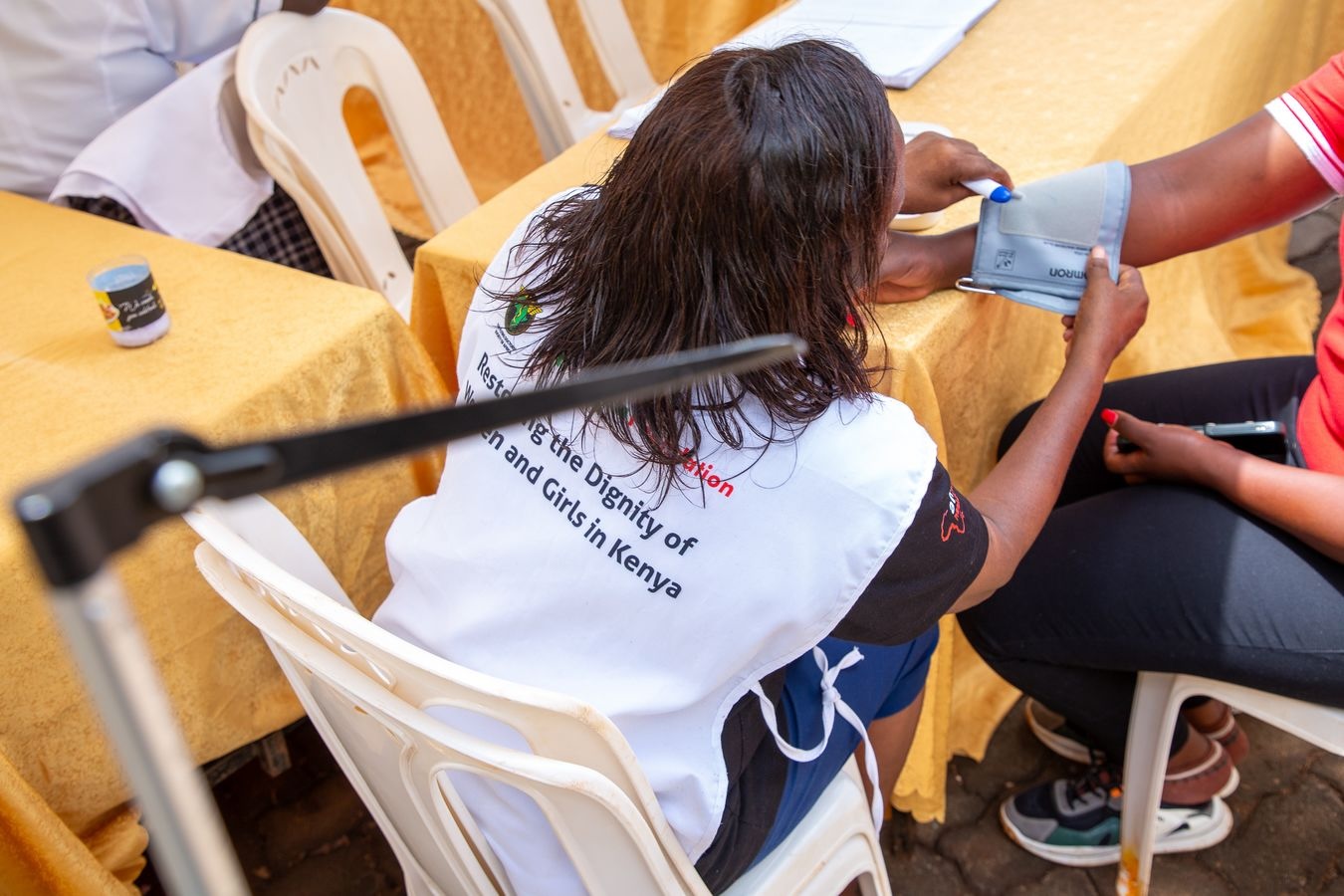
A young girl’s case shows how M-PESA Foundation fistula camps restore dignity and access to free care.
At just 4 years of age, Virginia Wanjira Maina has faced more medical challenges than the average adult. Due to a congenital condition, the little girl has required a series of surgeries, the first of which was performed at Kenyatta National Referral Hospital shortly after birth in 2023.
As fate would have it, on the way home from Nairobi after the surgery, the family was involved in a road accident which resulted in internal bleeding for virginia.The internal damage went undetected, and what followed were months of hospital visits to Othaya Level 4 hospital and back to Kenyatta, often interrupted whenever her family could not raise the bus fare to Nairobi. The little girl eventually developed fistula due to multiple procedures and maybe the interuptions in treatment.
After months of struggling on her own, her mother, Evelyne Wanjiru Maina, heard about a fistula screening camp on Inooro FM. She went to Mathioya Sub-County Hospital, was referred to Murang’a County Referral Hospital, and that is where we found them during our visit, waiting for results from diagnostic imaging and lab tests, all provided free of charge.
“Everything is free,” Evelyne said. “I almost felt stuck with my daughter’s condition, but look at us now.”
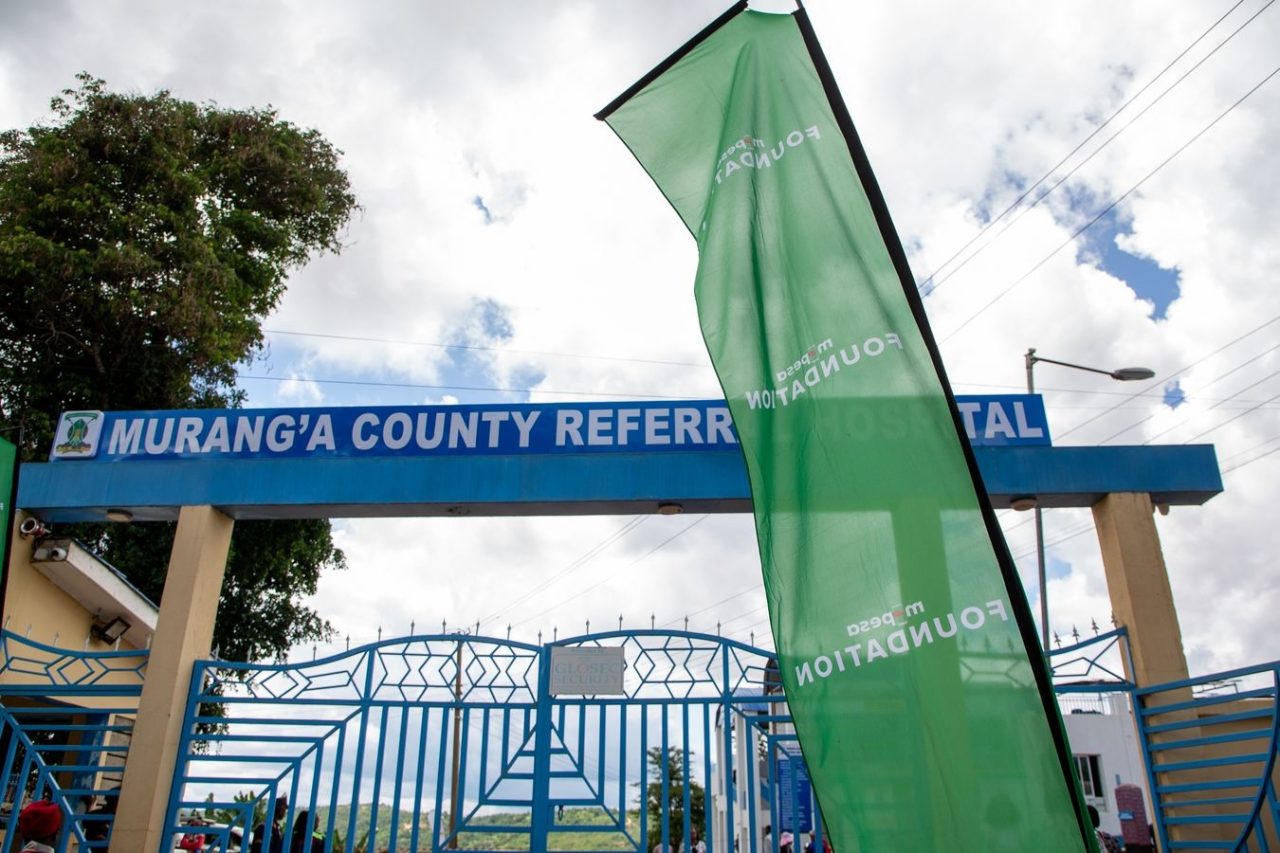
That screening camp is part Fistula Camps, a collaborative initiative led by the M-Pesa Foundation in partnership with the Ministry of Health, County Governments, Flying Doctors, and Amref Health Africa. The camps are countrywide and aim to provide free, life-changing surgical treatment to women living with the debilitating condition, to restore their dignity.
Female genital fistula is an abnormal opening between the vaginal canal and the bladder or rectum, most commonly caused by prolonged obstructed labour when emergency obstetric care is not reached in time. The result is continuous, uncontrollable leakage of urine or faeces. Kenya records an estimated 3,000 new fistula cases every year, with a backlog of up to 300,000 untreated cases nationally.
The physical injury is only part of it. Because of the persistent odour and widespread misunderstanding of the condition and its cause, women with fistula routinely face rejection from husbands, families and communities. Due to shame and stigma, they end up living with Fistula for decades before accessing surgery, some from ages as young as 18. These are their best and most productive years and yet they are unable to even earn a living.
A 2010 Human Rights Watch report on fistula in Kenya captured that reality starkly in its title: “I Am Not Dead, But I Am Not Living.” The words came from the women themselves.
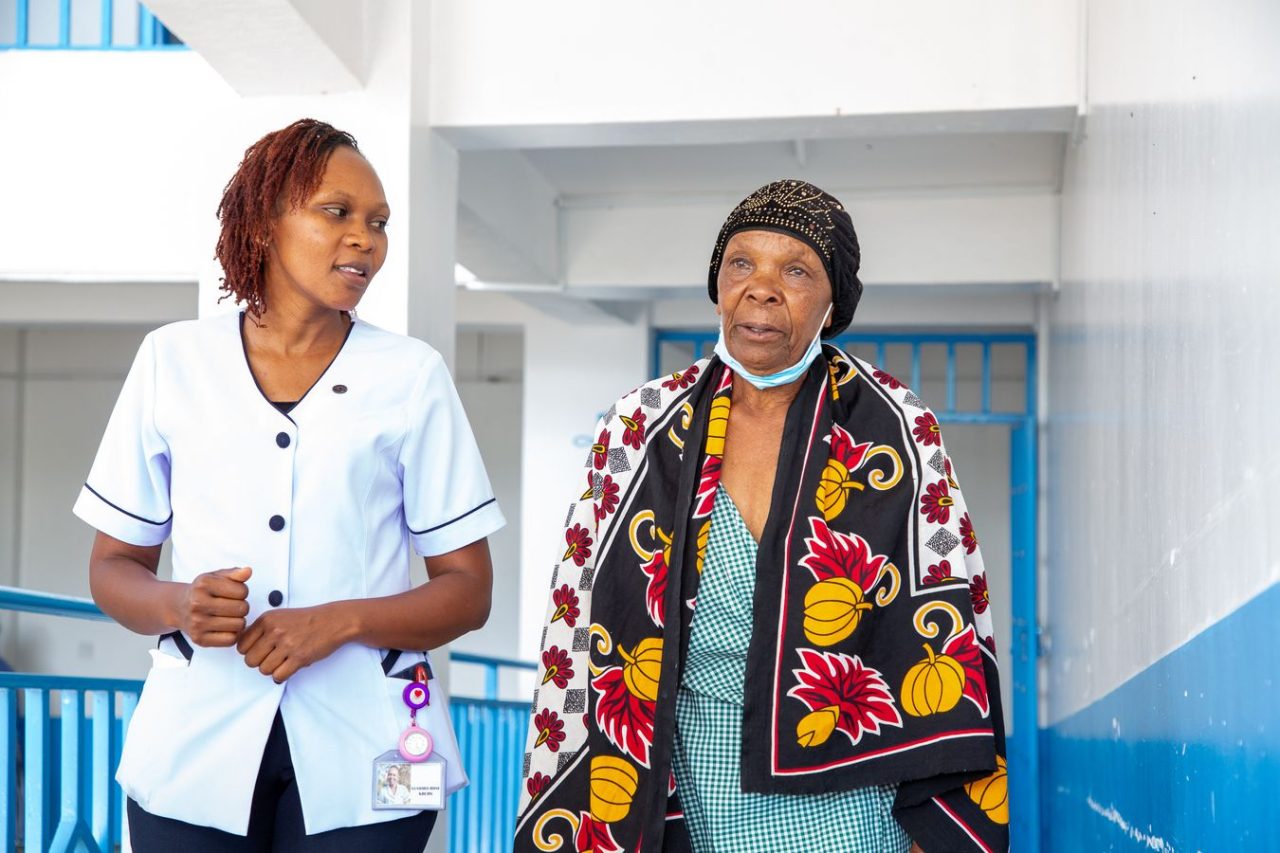
M-PESA Foundation fistula camps – Murang’a
Murang’a County presents an interesting scenario. It leads nationally in maternal health indicators at a 96% skilled birth attendance rate and a teenage pregnancy rate of just 7%. Those are numbers counties elsewhere in Kenya are still working towards.
And yet the risk factors for fistula have not disappeared. Poverty, unintended pregnancies among adolescents, pockets of home delivery due to terraine, and delays in reaching emergency obstetric care continue to leave some women exposed.
It is also worth noting that the fistula camp at Murang’a Referral is not drawing patients from the county alone. Women are arriving from neighbouring counties too, following word of mouth, community radio, and sub-county referrals, much as Evelyne heard about it on Inooro and travelled through Mathioya to get here.
Still within that ward, there was the case of 23 year old Eunice who had travelled all the way from Rumuruti in Laikipia.
The M-Pesa Foundation’s investment in fistula camps addresses both the surgical backlog and the structural barriers that keep women from accessing care in the first place. By making everything free – screening, diagnostics, surgery and aftercare – it removes one of the biggest challenges that keep women from treating fistula.
The clinical work is handled by specialist teams from Flying Doctors and Amref Health Africa, organisations with long track records in fistula repair and maternal health across East Africa. The county governments and Ministry of Health provide the facilities and coordination infrastructure. Together, the partners are targeting 60 women at the Murang’a camp alone, as part of the 700-woman national goal under M-PESA @15.
Evelyne, like many other women beneficiaies of the camps says a big thank you to the Foundation. She had almost accepted the fate of her daughter as a problem she would always carry scraping together bus fare that sometimes was not there. Then the radio played, and someone told her there was a camp.
Virginia was in the ward waiting for her imaging and lab results, after which treatment will commence.
Never miss a story 💜
Breaking news, real stories and money tips for Kenyan women, as they happen.

