
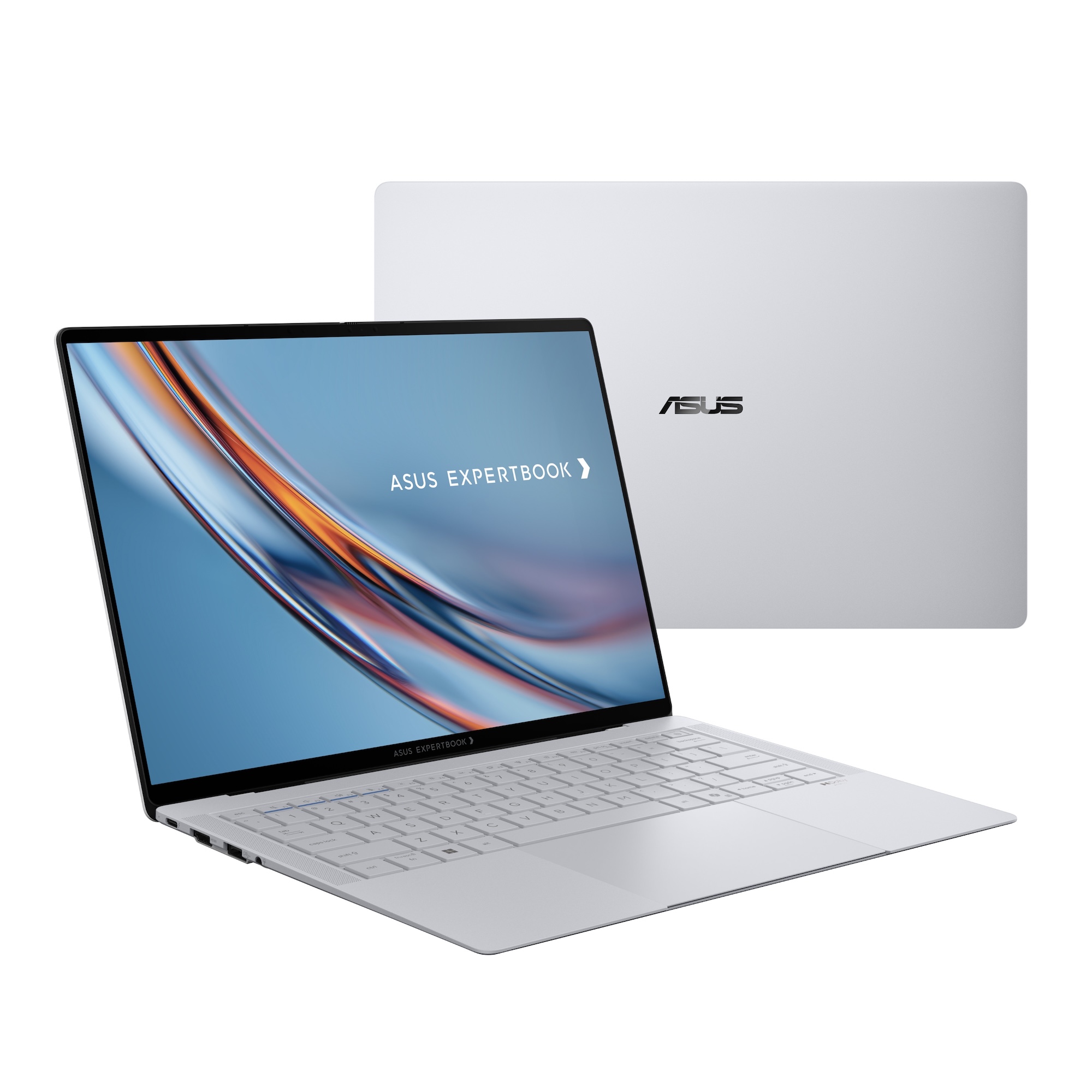
ASUS AI PCs Kenya Showcase highlights enterprise laptops, on-device artificial intelligence tools, and workplace productivity solutions.
Artificial intelligence is steadily moving from online chatbots and experimental tools into everyday business hardware. Laptop makers now want AI capabilities built directly into the devices people use at work, allowing tasks like transcription, summarisation, and productivity support to happen without depending entirely on cloud services.
That shift will be visible at the first edition of GITEX Kenya, where ASUS plans to showcase its latest AI-powered commercial devices as part of a wider push into East Africa’s growing digital economy.
The technology company says Kenya has become increasingly important within its African growth plans as governments, businesses, and institutions invest more heavily in AI, cloud infrastructure, and digital transformation.
The Nairobi event, taking place from May 19 to 21, arrives at a time when Kenya is positioning itself as a regional technology and AI development hub through initiatives like the Kenya AI Strategy 2025–2030.
For years, most AI tools relied heavily on internet connectivity and cloud processing. That model works well in many situations, but it also creates concerns around data privacy, internet dependence, and performance limitations.
Tech manufacturers are now increasingly building AI support directly into laptops and workplace devices through dedicated AI hardware processors.
ASUS says its newer generation of commercial PCs allows professionals to run AI-supported functions directly on-device without needing to remain constantly connected online. That matters particularly for organisations handling sensitive data or operating in environments where stable connectivity cannot always be guaranteed.
According to Tolga Özdil, ASUS Regional Commercial Director for the Middle East, Turkey and Africa region, Kenya represents a growing opportunity as businesses across Africa accelerate digital adoption.
“We’re excited to be a part of the inaugural edition of GITEX Kenya. The country plays an important role in ASUS’s commercial long-term vision for the African market,” he said.
He added that AI, cloud computing, and sustainability are now reshaping how organisations approach workplace technology and infrastructure investments.
“ASUS’s line of PCs integrates AI support at the hardware level, allowing professionals to take advantage of AI tools without the need to connect online,” Özdil said.
ASUS AI PCs Kenya Showcase – Kenya’s growing AI ambitions
Kenya’s technology sector has increasingly positioned itself around AI readiness, fintech growth, cloud adoption, and digital public infrastructure over the last few years.
Government strategies around AI development, startup ecosystems, digital literacy, and data infrastructure continue attracting attention from international technology firms looking at East Africa as a long-term growth market.
That wider backdrop explains why events like GITEX Kenya matter commercially. They allow technology companies to position products directly in front of enterprise buyers, government institutions, SMEs, and regional technology decision-makers.
At the exhibition, ASUS plans to showcase its ExpertBook commercial series alongside workstation PCs and enterprise-focused systems. One of the headline devices is the ExpertBook Ultra B9406, a lightweight AI-ready laptop featuring dedicated neural processing hardware capable of handling AI tasks directly on the device.
The company says the laptop includes up to 50 TOPS NPU processing capability while maintaining battery efficiency and portability.
Beyond hardware, ASUS will also demonstrate AI-powered workplace tools such as AI ExpertMeet, which generates real-time meeting transcriptions and summaries to support collaboration and productivity.
The wider business reality around AI
The rise of AI PCs also reflects growing pressure on businesses to integrate AI into everyday workflows rather than treating it as a separate technology category.
Many organisations are still figuring out how AI fits into operations, data protection policies, and workforce productivity. Hardware manufacturers increasingly want to position themselves as part of that transition by embedding AI capabilities directly into business devices.
At the same time, questions remain around affordability, practical adoption, workforce readiness, and how quickly African businesses will realistically transition toward AI-supported workplace systems.
For now, though, one thing is becoming increasingly clear. AI is steadily moving from being a cloud-based software conversation into a hardware conversation too.
Never miss a story 💜
Breaking news, real stories and money tips for Kenyan women, as they happen.

