
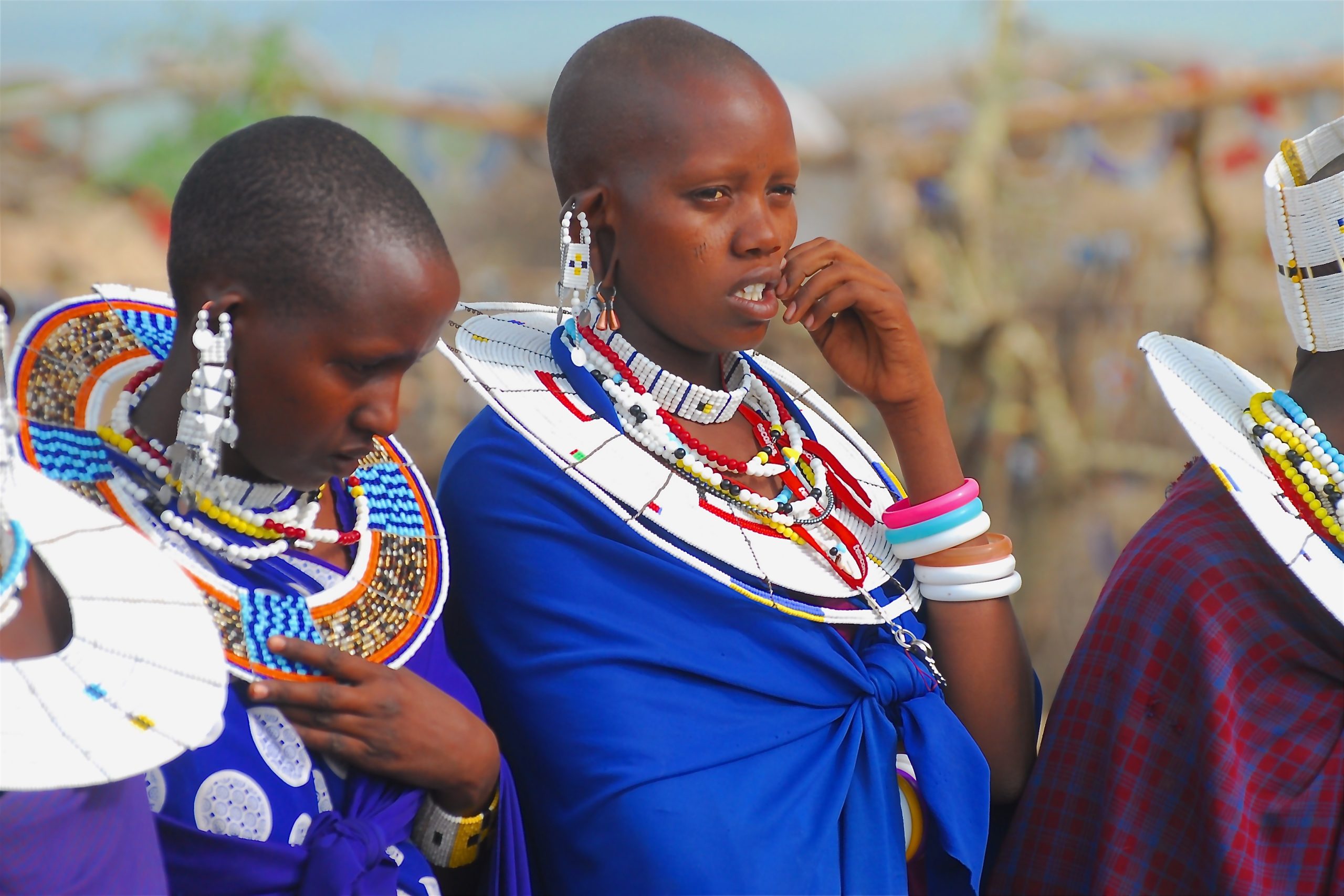
I&M Foundation women entrepreneurs in Talek are building stronger businesses through training, mentorship and support.
The confidence of women entrepreneurs with access to finances is quietly changing businesses in rural Kenya. In places like Talek, near the Maasai Mara, women are running beadwork businesses, food businesses, poultry businesses and retail shops that support whole households. Their success often depends on more than just access to money. It also depends on whether they have the confidence, skills and support to make business decisions and plan for growth.
For years, the discussion around rural entrepreneurship has been about funding. Access to capital remains important, but new experiences from Talek suggest that training, mentorship and digital access can be just as impactful on long-term business success.
Tourism drives much of the economy in and around Maasai Mara. Visitors buy crafts, stay in lodges and spend money in local communities. But for many women entrepreneurs, income remains unpredictable. A slow tourism season, bad weather or a family emergency can quickly hit household finances and business operations.
This reality was the basis for the I&M Foundation Predator’s Den empowerment programme in Talek. The initiative, in partnership with The Maa Trust and GIZ, brought together women and youth entrepreneurs who are already operating businesses in the community. Participants came from a variety of sectors including Maasai shukas and beadwork, poultry farming, food businesses and cyber cafés.
I&M Foundation women entrepreneurs – How To Get Out Of Survival Mode
Many women entrepreneurs face more than just financial difficulties. Limited access to markets, poor record keeping, inconsistent pricing and lack of business mentorship makes it difficult to grow a business. At the same time, many women combine entrepreneurship with child care, farming and household responsibilities.
Predator’s Den was designed with these realities at the forefront. Participants received business and financial training to strengthen planning, management and sustainability before any funding was awarded.
Selected participants, having been trained by around 115 young entrepreneurs, went to the pitching stage. There, businesses competed for a share of the KSh1.92 million funding support.
The effect of the training was clear in the way the participants pitched the businesses. Entrepreneurs can clearly explain their operations, identify challenges and outline realistic growth plans. That confidence often comes from knowing your numbers, your customers and your business objectives.
Beadwork is one of the most visible forms of women-led enterprise in Talek and the wider Maasai Mara region. Women selling jewellery, fabrics and hand made crafts can be seen on the roadsides and in market spaces frequented by tourists.
Behind those products are families who rely on business income to pay school fees, buy food and meet daily needs.
Tourism can be an opportunity but also a vulnerability. Businesses that rely on tourist dollars feel the impact right away when the number of tourists drops. This has raised interest in helping communities develop enterprises that can provide a more stable income throughout the year.
Many rural businesses face practical challenges that receive little attention. A beadwork business could make quality items but may not get to bigger markets. A food vendor may have loyal customers but may struggle to manage stock and keep records. Frequently, these are the issues that determine whether a business survives or not.
Technology is playing an increasing role in the conversation around rural entrepreneurship.
A cyber café was one of the highlights of Predator’s Den. While it might not draw the same attention as tourism ventures, its success underscored the increasing significance of digital inclusion in rural communities.
The business offers internet access, printing, computer access and digital support. It also helps community members learn to use digital tools.
For students this can mean filling in applications, getting learning material and registering for courses online. For those looking to work, it means writing CVs and applying for jobs. It offers online marketing, customer communication, and digital payments for entrepreneurs.
In fact, mobile money services and smartphones have already altered the way many rural businesses function. Now entrepreneurs can get paid digitally, talk to customers remotely and market their products beyond their immediate vicinity.
When women learn to be confident in running their businesses, the impact goes far beyond individual businesses. Growing businesses support families, create jobs and keep money in the local economy. Some entrepreneurs recruit straight from the youth. Others back community trade providers, transportation operators and traders.
Many women’s entrepreneurship in Talek is connected to family wellbeing. Their businesses may seem small, but they carry a lot of responsibility.
Women entrepreneurs’ growing financial confidence is helping shift attention from day-to-day survival to long-term growth. In communities where opportunities might be limited, that change could ripple through families, businesses and local economies for years.
Never miss a story 💜
Breaking news, real stories and money tips for Kenyan women, as they happen.

