
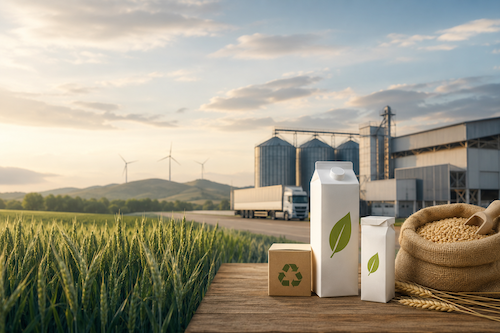
Tetra Pak Sustainability Report highlights emissions cuts and investments aimed at protecting food supply chains globally.
Food prices are becoming more volatile. Farmers are dealing with longer droughts, unpredictable rainfall and rising production costs. Climate pressures are affecting how food is grown, processed and transported in many parts of the world, creating new challenges for businesses and consumers alike.
That reality is forcing food companies to rethink how they operate. The conversation is no longer focused solely on reducing emissions for environmental reasons. Companies are increasingly examining how climate-related risks could affect food availability, disrupt supply chains and influence the cost of getting products onto supermarket shelves.
The latest Tetra Pak Sustainability Report offers a glimpse into how one of the world’s largest food processing and packaging companies is responding to those challenges. The company says it has reduced greenhouse gas emissions across its value chain by 34 percent since 2019 while investing in technologies, packaging materials and production systems aimed at supporting more resilient food supply chains.
Food Systems Are Under Pressure
Climate change is affecting agriculture in different ways across the globe. Droughts, floods, heatwaves and shifting rainfall patterns are making farming less predictable at a time when global demand for food continues to rise.
For food processors, manufacturers and distributors, the risks extend beyond environmental concerns. A disruption in one part of the supply chain can slow production, raise costs and affect the availability of products on store shelves. As a result, many companies are pairing emissions reduction efforts with broader strategies aimed at adapting to a changing climate.
According to Tetra Pak President and CEO Adolfo Orive:
“Feeding a growing global population is becoming ever more complex as environmental risks intensify.”
The company says this thinking informed a climate and nature risk assessment carried out in 2025 to identify potential risks and opportunities across its operations and supply chain. The findings are expected to guide future investments and help the company prepare for environmental challenges that could affect food production and distribution.
Never miss a story 💜
Breaking news, real stories and money tips for Kenyan women, as they happen.

